
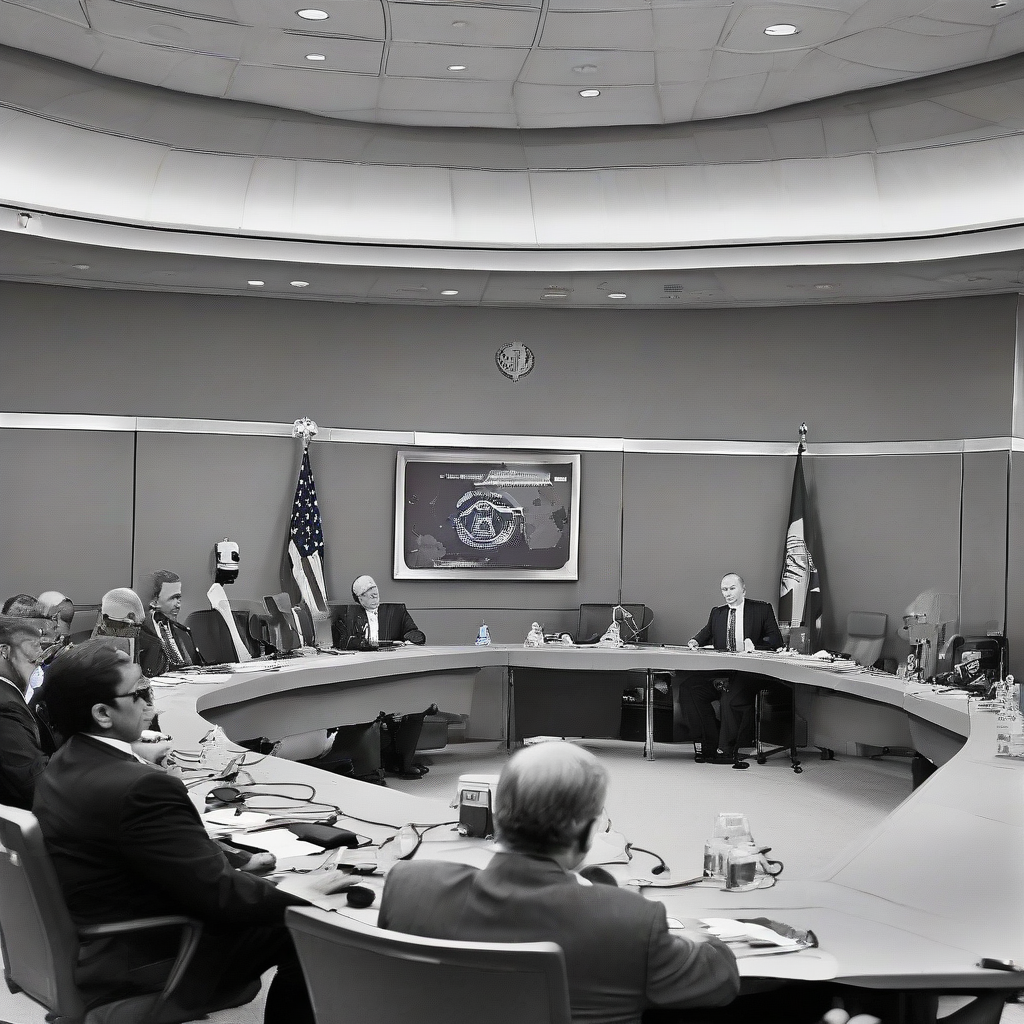

Retired Army Gen. Jack Keane has publicly challenged the diplomatic role of Pakistan, Qatar, and Saudi Arabia in ongoing negotiations with Iran, according to Fox News — World. Keane, a former Army vice chief of staff and senior strategic analyst, argued that these regional partners may be steering the United States away from necessary military pressure while concurrently leaving U.S. and Israeli interests exposed to risks posed by Tehran.
During a Monday appearance on "America’s Newsroom," Keane asserted that Pakistan and Qatar are "compromised" mediators, alleging they historically favor Iranian interests at the expense of the United States. His assessment diverges sharply from the official White House stance. President Donald Trump, in an April 26 phone interview with Fox News, expressed "great respect for Pakistan," citing their active efforts to advance negotiations. Further, on June 18, following the G7 summit in France, the President credited both Pakistan and Qatar with facilitating the U.S.–Iran memorandum of understanding.
Summary of Diplomatic Frameworks and Statements
| Date | Event/Document | Key Parties Involved |
|---|---|---|
| April 26 | Presidential statement on Pakistan | USA, Pakistan |
| June 18 | Post-G7 summit update | USA, Pakistan, Qatar |
| June 22 | Joint statement on mediation | USA, Iran, Pakistan, Qatar |
White House spokesperson Anna Kelly defended the administration’s strategy, noting that President Trump maintains strong relationships with leadership in Pakistan, Qatar, and Saudi Arabia. Kelly emphasized that the administration appreciates the involvement of these regional partners in the complex negotiation process.
Reports from Wednesday indicate that mediators are currently drafting a second memorandum focusing specifically on the Strait of Hormuz. This potential secondary agreement seeks to isolate the maritime crisis from broader disputes regarding Iran’s nuclear program. The existing Islamabad Memorandum of Understanding, highlighted in a June 22 joint statement, established formal working groups to address sanctions, nuclear oversight, and mechanisms to prevent maritime incidents involving commercial vessels.
Why It Matters
The skepticism expressed by high-ranking military strategists highlights the fragile nature of geopolitical mediation in the Middle East. If key mediators are perceived as having divided loyalties, it complicates the efficacy of international sanctions and nuclear non-proliferation efforts. For the maritime and energy sectors, the focus on the Strait of Hormuz is essential, as any disruption in diplomatic consensus could impact global shipping insurance rates and crude oil supply chains. The divergence between military intelligence assessments and executive diplomatic policy creates uncertainty for international stakeholders attempting to evaluate the stability of long-term regional trade agreements.
Reader Discussion & Insights