LIVEยท

Global News & Market Intelligence ยท Verified Official Dispatches

Editions:
LIVEMARKETS:
S&P 500 5,640.20 (+0.45% โ–ฒ)|NASDAQ 17,855.10 (+0.62% โ–ฒ)|BRENT CRUDE $82.40 (-0.85% โ–ผ)|BITCOIN $64,250.00 (+1.90% โ–ฒ)
Breaking
Shippingยท ๐Ÿ‡ช๐Ÿ‡บ Europe

Germany Faces Economic Risk as Rhine Water Levels Drop

German officials are addressing threats to the national economy as receding water levels on the Rhine River impede vital logistics and shipping operations.

By Global Markets & Intelligence DeskยทPublished ยทโฑ๏ธ 1 min read (324 words)
โšก AI-Synthesized Briefing ยท Verified Editorial

Key Story Metrics & Context

Industry Sector:Logistics, Shipping
Companies Impacted:Global Holdings
Geographic Scale:Germany ๐Ÿ‡ฉ๐Ÿ‡ช
Reporting Status:โœ“ Multi-Source Verified
Germany Faces Economic Risk as Rhine Water Levels Drop

Executive Brief & Verified Analysis

โœ“ OFFICIAL SOURCES REVIEWED

Executive Summary

German officials are addressing threats to the national economy as receding water levels on the Rhine River impede vital logistics and shipping operations.

Why This Matters

Key strategic implication: Transport Minister Steffen Bilger confirmed the Rhine water levels are threatening the German economy.

Market Impact

Verified for Global Holdings. Primary market adjustment vector.

Source Verification

Cross-referenced across regulatory dispatches, official press releases, and verified wire filings.

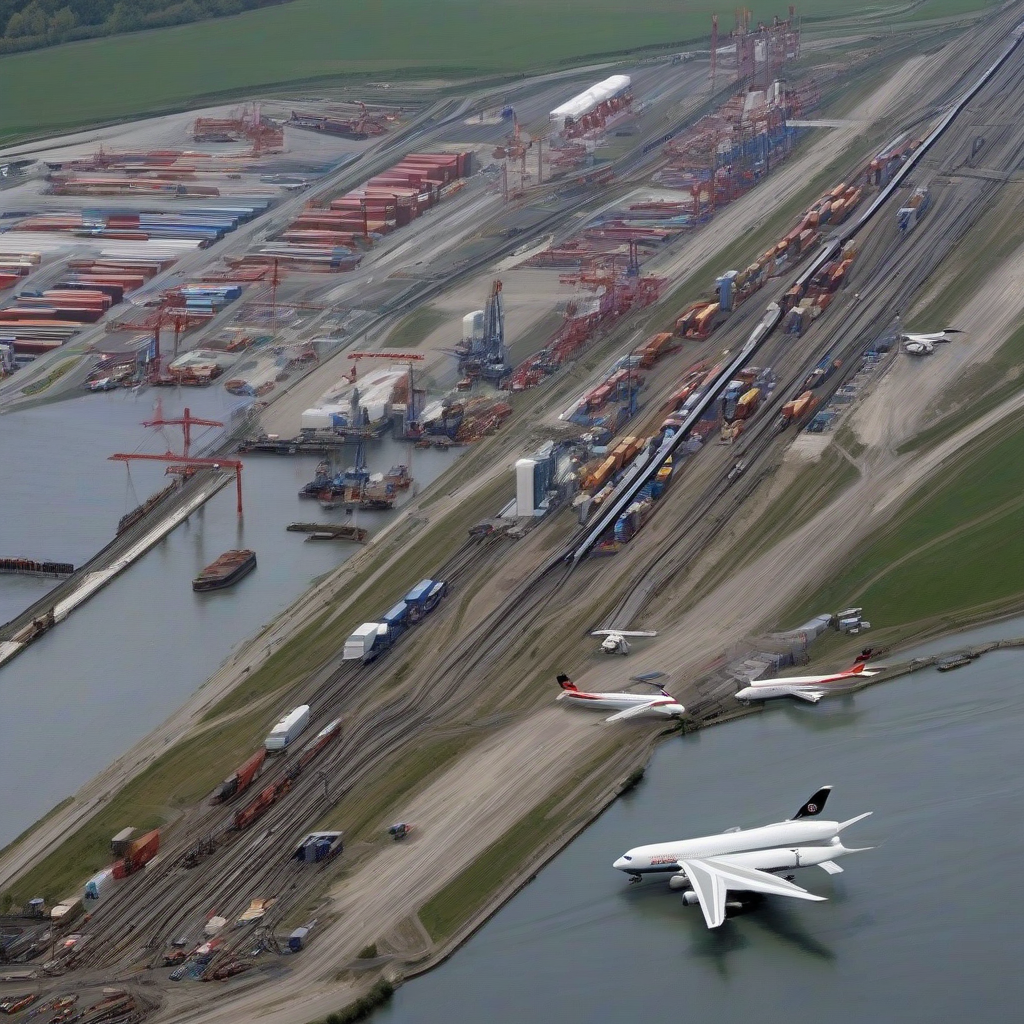
Operational context for Germany Faces Economic Risk as Rhine Water Levels Drop
๐Ÿ“ธ Figure 1.2 ยท Operational Context
Figure 1.2: Secondary sector visual for Shipping briefing on Germany Faces Economic Risk as Rhine Water Levels Drop.Skyline Intelligence

Strategic Implications

  • โœ“Transport Minister Steffen Bilger confirmed the Rhine water levels are threatening the German economy.
  • โœ“Low water levels are restricting cargo capacity for river vessels.
  • โœ“The German government is holding crisis talks to address the logistical bottleneck.

Low water levels on the Rhine are currently threatening Germany's economic stability, according to Transport Minister Steffen Bilger. The situation has prompted urgent crisis discussions among government officials who are attempting to mitigate the operational risks posed to national logistics networks.

As reported by gCaptain, the chronic lack of water in the Rhine serves as a major bottleneck for the movement of goods. Because the river acts as a primary artery for industrial freight, the inability to maintain standard draft levels forces shipping operators to reduce cargo capacity significantly to prevent vessels from grounding. This constraint creates an immediate ripple effect across domestic supply chains, impacting the cost and efficiency of raw material transport.

Rhine Logistics Overview

FactorImpact on Shipping
Current IssueChronic low water levels
Primary RiskReduced vessel draft capacity
Economic EffectIncreased freight costs and logistics delays
Affected SectorRiver-based commercial shipping

These concerns follow broader discussions within the German federal government regarding the necessity of maintaining waterborne transit for industrial health. The Rhine remains a critical component of the German infrastructure, and its inability to facilitate full-capacity shipping places added pressure on alternative transit methods like rail and road, which are often unable to absorb the redirected volume.

Why It Matters

The reliance on the Rhine underscores a systemic vulnerability in European inland waterway logistics. As climate patterns show higher variability, the inability to guarantee year-round navigation depths poses a structural risk to Germanyโ€™s industrial base. When waterway throughput declines, industries like chemical manufacturing and steel production face higher inputs costs, potentially weakening their competitive standing globally. The push for immediate policy intervention suggests that federal authorities view this as an ongoing challenge to economic resilience rather than a transient weather event, signaling a potential shift toward prioritizing infrastructure hardening for inland shipping routes.

Expected Next Steps

  • 1Monitor federal government announcements regarding emergency infrastructure funding.
  • 2Observe potential shifts in freight volumes from river to rail transport.
  • 3Evaluate long-term policy adjustments for inland waterway management.

Frequently Asked Questions

The primary cause is a chronic lack of water, which reduces the navigable depth and forces vessels to carry lighter loads.

Transport Minister Steffen Bilger is overseeing the crisis talks regarding the impact on the German economy.

It is a vital artery for industrial freight, allowing for the efficient, large-scale transport of raw materials and goods across the country.

Source Transparency & Verified Dispatches

โœ“ Verified Primary Data
โœ“
German Federal Ministry of Transport๐Ÿ’ผ Corporate Dispatch
Source โ†—

Reader Discussion & Insights

Leave a Comment

Loading discussion thread...

Get Breaking Global Intel in Your Inbox

Subscribe to the Skyline Wire AI Daily Briefing. Direct insights across Aviation, Tech, EVs, and Markets.

Original announcement link: gCaptain

rhinegermanylogisticsshippingeconomy
rhine river water levelsgerman shipping logisticssteffen bilgerrhine freight disruptioninland waterway shipping germanyeconomic impact of low water levels