
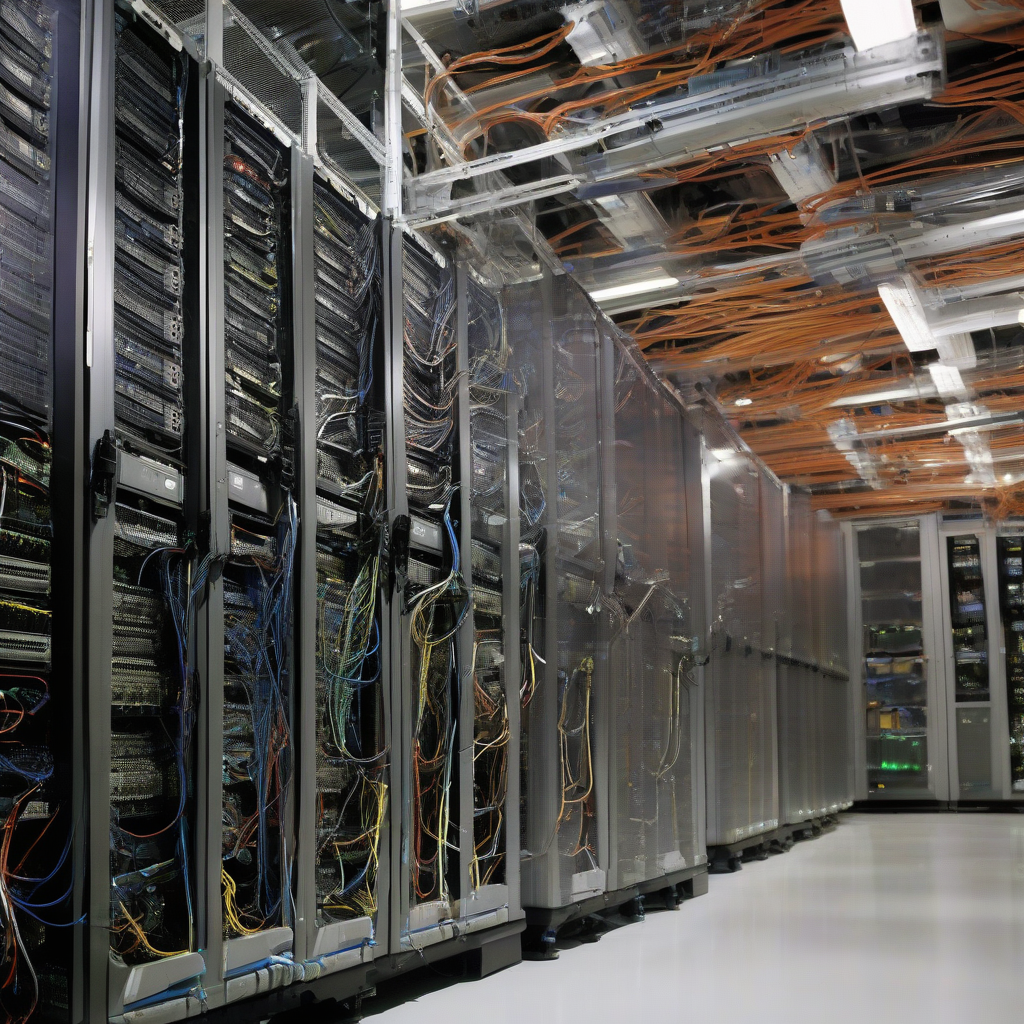

Digital infrastructure remains under scrutiny as recent community discourse highlights the historical significance of the Y2K phenomenon. According to Hacker News Front Page, a post published on August 6, 2026, has ignited a conversation regarding the vulnerabilities inherent in date-handling across modern computing environments. The discussion, linked under item ID 49193314, gathered significant attention, attracting 41 points and 21 comments from technology professionals.
Technical Data Summary
| Metric | Value |
|---|---|
| Source Date | 2026-08-06 |
| Hacker News ID | 49193314 |
| Total Points | 41 |
| Comment Count | 21 |
The source material, originating from the blog of Gingerbeardman, reflects on the systemic challenges encountered during the turn of the millennium. While Y2K is often viewed as a singular event from the late 1990s, the current dialogue suggests that the underlying architectural weaknesses—specifically regarding how software manages date transitions—persist in modern cloud-based systems and legacy codebases that continue to power critical industrial operations.
Industry observers note that while major failures were averted in 2000 through aggressive remediation, the sprawl of distributed systems and microservices has introduced new layers of complexity. Engineering teams today are tasked with managing technical debt that spans decades, often necessitating periodic audits of legacy date-logic components to ensure compliance with current standards.
Why It Matters
The enduring relevance of the Y2K discussion signals a shift in how engineers view systemic technical debt. As organizations move toward cloud-native environments, the reliance on older, monolithic libraries remains a silent risk factor. The conversation emphasizes that 'fix it once' mentalities are insufficient for digital systems; instead, continuous observability and automated testing for edge-case failures are required. Companies failing to sanitize legacy date inputs risk cascading errors in data pipelines and financial reporting modules, demonstrating that the Y2K problem was not a closed chapter but a persistent challenge in software lifecycle management.
Reader Discussion & Insights