
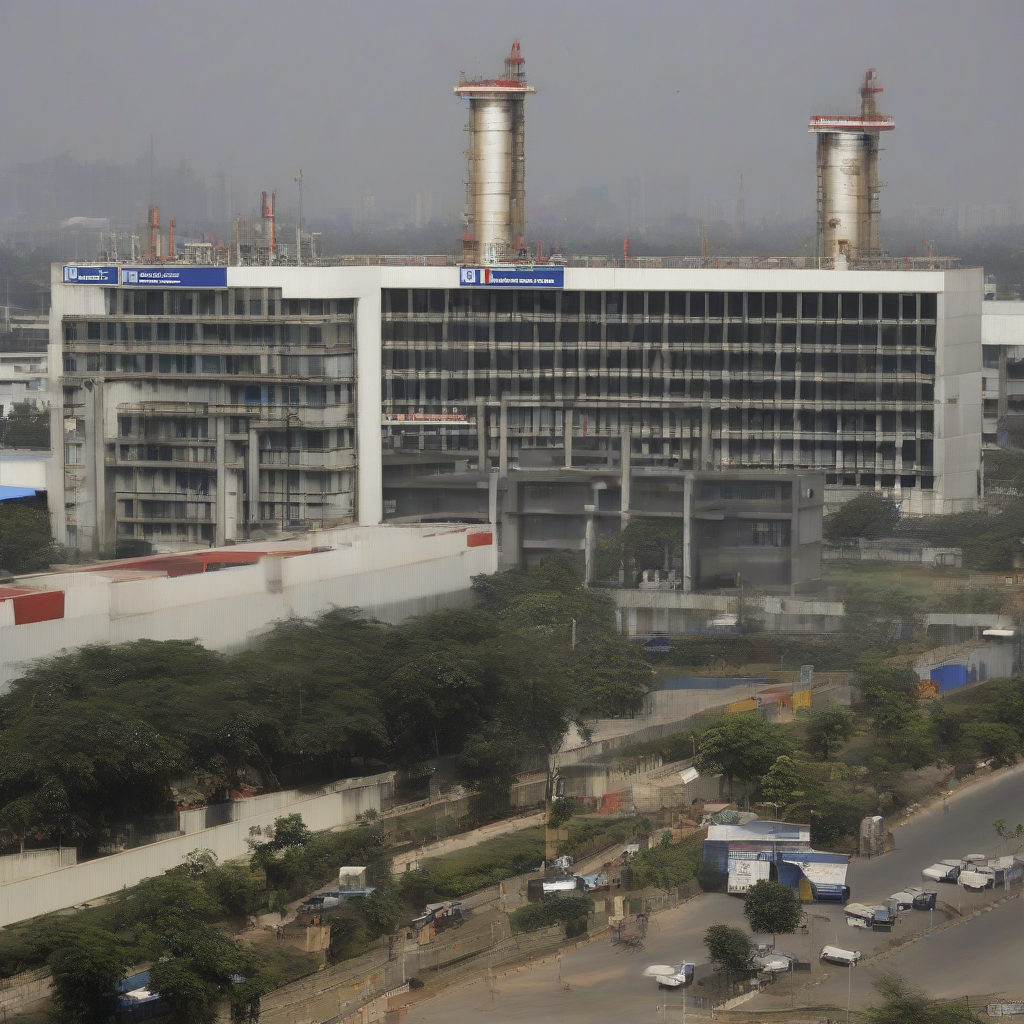

State-owned Hindustan Petroleum Corporation Limited (HPCL) has finalized a deal to purchase 2 million barrels of Nigerian crude oil from Shell, according to OilPrice.com. This procurement, executed via a recent tender, highlights a strategic shift among Indian refiners seeking to bypass supply chain instability currently affecting traditional Middle Eastern trade routes.
The acquisition consists of 1 million barrels of Forcados grade crude and 1 million barrels of Bonga grade crude. HPCL plans to utilize these specific shipments at its Visakh refinery, located in Andhra Pradesh along India’s east coast. This transaction reflects a broader trend of Indian energy firms diversifying their import sources to ensure consistent feedstock availability.
Crude Oil Procurement Data
| Detail | Specification |
|---|---|
| Buyer | Hindustan Petroleum Corporation Limited (HPCL) |
| Supplier | Shell |
| Total Volume | 2 million barrels |
| Grade 1 | 1 million barrels of Forcados |
| Grade 2 | 1 million barrels of Bonga |
| Destination | Visakh refinery, Andhra Pradesh |
Ongoing geopolitical friction in the Middle East has created significant logistical hurdles and unpredictable delivery timelines, forcing Indian importers to recalibrate their acquisition strategies. Industry analysts note that by increasing reliance on West African suppliers, state-run firms can better manage the risk of potential supply disruptions that have historically plagued transit corridors in the Red Sea and surrounding regions.
Why It Matters
This shift represents more than a temporary inventory adjustment; it signals a structural change in the energy security posture of South Asian importers. By pivoting to West African grades, India is intentionally reducing its exposure to volatile regional maritime chokepoints. This strategy allows the nation to maintain higher operational capacity at refineries while hedging against sudden price spikes caused by geopolitical premiums. For global energy markets, this sustains demand for Atlantic Basin crude, potentially rebalancing trade flows between Western Africa and the Indian subcontinent as the region prioritizes long-term supply reliability over traditional purchasing patterns.
Reader Discussion & Insights