
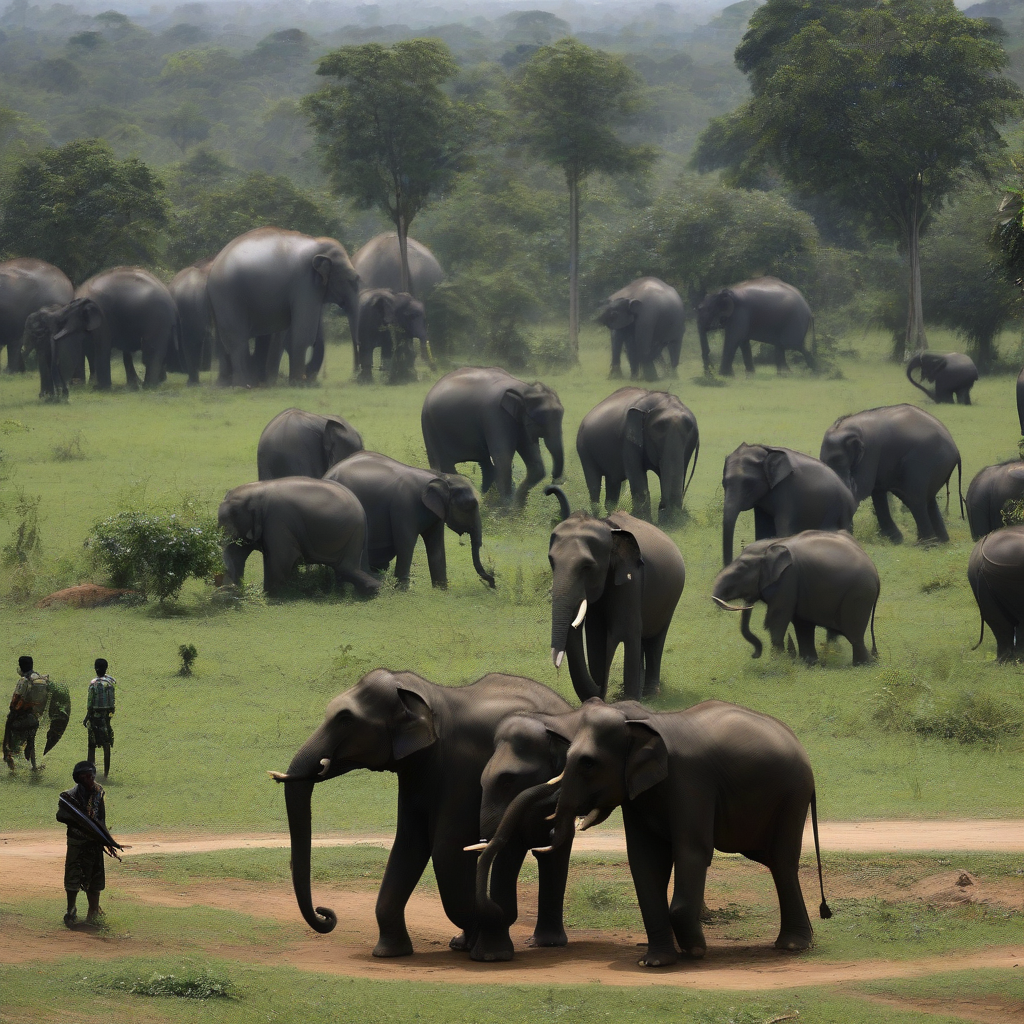

According to NPR — World, Hurulu Eco Park in central Sri Lanka operates as a secure sanctuary for elephant populations, offering a space for animals to graze without obstruction. The facility has become a focal point for conservationists observing the rising tension between local wildlife and the spread of intensive agriculture.
As human settlement and farming initiatives expand into traditional wildlife corridors, the natural habitats of Sri Lankan elephants are increasingly fragmented. The Hurulu Eco Park provides a designated area where these mammals can move and feed, effectively mitigating the direct contact that often leads to property damage and physical harm to both humans and elephants.
Habitat Protection Overview
| Feature | Status | Primary Function |
|---|---|---|
| Hurulu Eco Park | Active | Elephant grazing sanctuary |
| Core Habitat | Protected | Wildlife corridor maintenance |
| Conflict Zones | Increasing | Agricultural overlap mitigation |
Efforts by regional authorities to maintain these protected zones are consistent with broader environmental frameworks aimed at biodiversity preservation. By concentrating elephant activity within established parks, land-use planners hope to decrease the frequency of negative encounters between local villagers and the elephant herds that frequent central Sri Lanka.
Why It Matters
The existence of dedicated parks like Hurulu represents a necessary adjustment in global land management policies. As agricultural demands climb, the resulting habitat loss creates predictable risks for supply chain stability, as human-wildlife conflict often leads to crop destruction and increased local government expenditures on mitigation and infrastructure protection. Future sustainable development requires a integration of ecological preservation into regional trade and agricultural planning to avoid long-term environmental liability that could impact foreign investment in agrarian-heavy regions. Proactive land zoning is the primary tool for reducing these costly disruptions.
Reader Discussion & Insights