
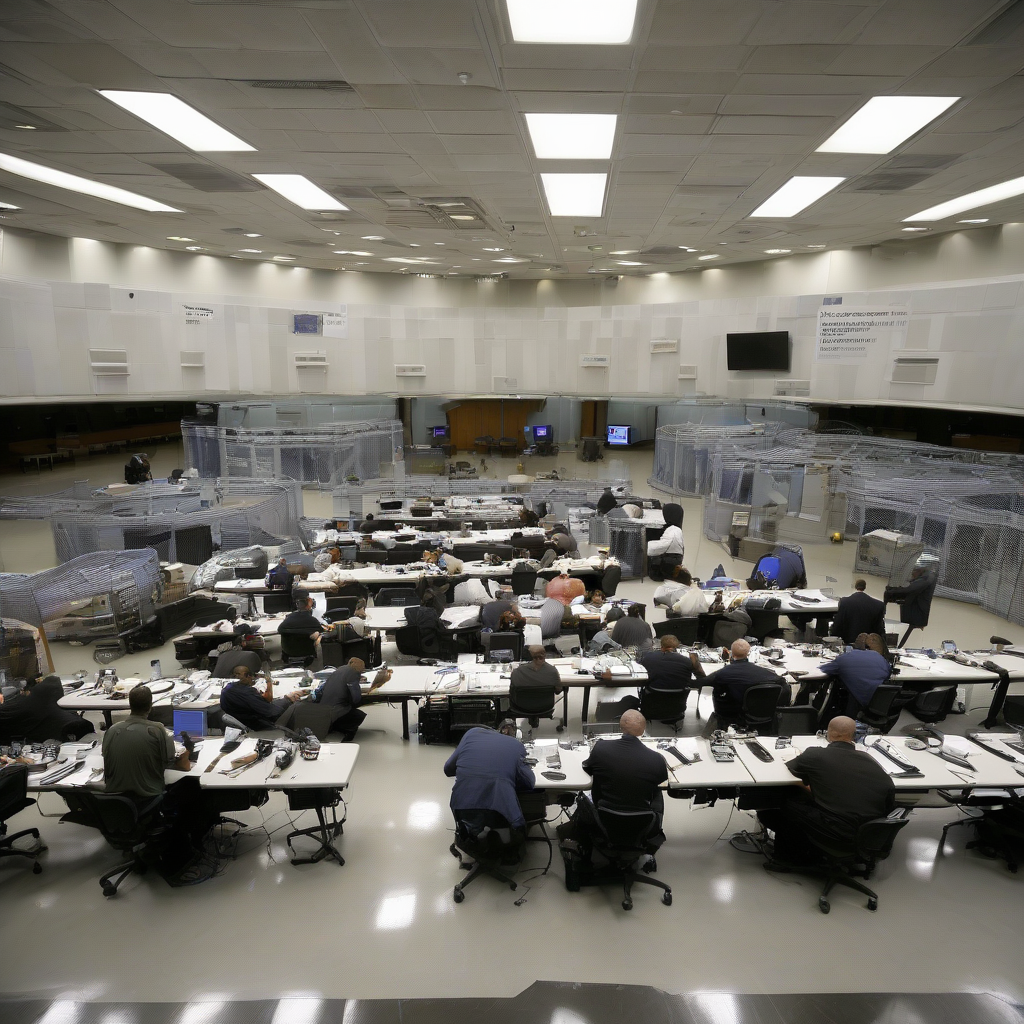

According to WIRED, U.S. Immigration and Customs Enforcement (ICE) has significantly expanded its DNA collection protocols, targeting individuals who have no criminal convictions. This program includes the collection of genetic material from minors, with the resulting data being ingested into the Federal Bureau of Investigation (FBI) database for indefinite storage.
This administrative shift highlights a widening scope in how federal agencies manage biometric data collected from non-citizens and those processed at the border. The policy encompasses individuals who are not under arrest for criminal offenses, raising questions regarding the longevity of data retention and the privacy implications of maintaining genetic profiles for individuals without a criminal history.
Data Collection Overview
| Data Element | Policy Status | Retention Period |
|---|---|---|
| DNA Samples | Active Collection | Indefinite |
| Subject Eligibility | Non-Criminals/Minors | Permanent FBI Storage |
| Biometric Database | FBI Managed | Long-term Archive |
Historically, biometric collection was restricted to criminal suspects. The current implementation by ICE signifies a move toward mass biological screening of individuals passing through the agency's processing centers. The FBI manages the central repository where these records are filed, ensuring that the biological identifiers of these individuals remain accessible to law enforcement agencies on a permanent basis.
Why It Matters
Beyond the immediate privacy concerns, this policy shift indicates a transition toward normalized, large-scale biological surveillance in the administrative immigration process. By cataloging non-criminal genetic profiles, the agency establishes a precedent that risks normalizing biometric monitoring as a standard bureaucratic procedure. This infrastructure could eventually be integrated with advanced algorithmic analysis, where automated systems cross-reference genetic data with historical records. The industry impact is significant; it underscores a broader trend where government reliance on biometric technology outpaces current regulatory safeguards, effectively creating a permanent, searchable genetic archive of a population that has never been accused of a crime.
Reader Discussion & Insights