
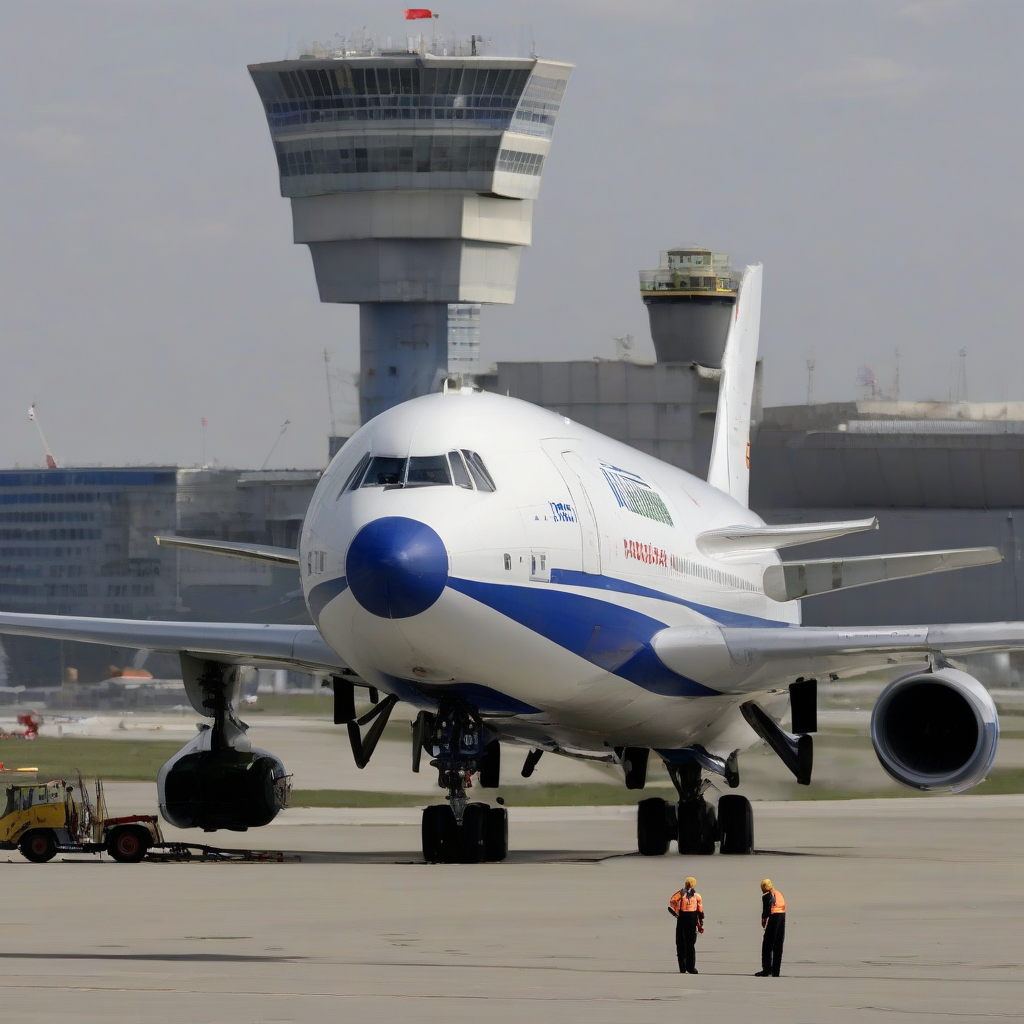
International sanctions imposed on Russia after the 2022 invasion of Ukraine have forced a recalibration of the nation's commercial aviation fleet, leading to the unexpected return of the Soviet-era Ilyushin Il-96. According to Simple Flying, these older wide-body airliners are being reactivated to maintain connectivity as access to modern Boeing and Airbus parts becomes restricted.
While the Il-96 appeared to be fading from commercial use, the current geopolitical climate has altered its trajectory. Beyond its continued presence in the fleet of Cuba's Cubana de Aviación, Russian domestic operators are reintroducing the aircraft to manage capacity requirements. The Il-96, designed during the late Soviet period, serves as a stopgap solution for an industry currently barred from purchasing new Western aircraft or sourcing proprietary maintenance components.
Fleet and Operational Context
The reliance on legacy hardware highlights the strain on Russian aviation infrastructure. With the exclusion from the global aftermarket for Western aviation components, domestic carriers have looked toward the Il-96 as a primary, albeit dated, solution for long-range operations. This shift reverses previous trends where the Russian aviation sector had increasingly moved toward integrating Western-designed jets into its passenger and cargo routes.
| Aircraft Model | Primary Operator | Operational Status | Status Reason |
|---|---|---|---|
| Ilyushin Il-96 | Cubana de Aviación | Active | Continued legacy usage |
| Ilyushin Il-96 | Russian Carriers | Reactivated | Sanction-related fleet shortage |
Why It Matters
The return of the Ilyushin Il-96 signals a fundamental shift in the regional aviation hierarchy. By bypassing modern international safety and efficiency standards, the Russian aviation industry risks long-term operational degradation. Furthermore, the reliance on older, fuel-inefficient Soviet airframes creates an environment where international routes become increasingly untenable due to higher maintenance costs and limited availability of certified parts. This development suggests a long-term divergence between Russian domestic aviation standards and those mandated by international bodies such as ICAO, likely cementing a self-imposed isolation that may prove difficult to reverse even if sanctions were eventually lifted.
Reader Discussion & Insights