
LIVEยท

Global News & Market Intelligence ยท Verified Official Dispatches

Editions:
LIVEMARKETS:
S&P 500 5,640.20 (+0.45% โ–ฒ)|NASDAQ 17,855.10 (+0.62% โ–ฒ)|BRENT CRUDE $82.40 (-0.85% โ–ผ)|BITCOIN $64,250.00 (+1.90% โ–ฒ)
Breaking
Artificial Intelligenceยท ๐ŸŒ Global

India IT Sector Shows Resilience Despite Artificial Intelligence Shift

Indiaโ€™s IT industry maintains stability in the face of widespread AI adoption, though entry-level workforce entry remains challenging, according to The Economist โ€” Finance.

By Technology & AI Intelligence DeskยทPublished ยทโฑ๏ธ 1 min read (316 words)
โšก AI-Synthesized Briefing ยท Verified Editorial

Key Story Metrics & Context

Industry Sector:Technology, Economy
Companies Impacted:Global Holdings
Geographic Scale:India ๐Ÿ‡ฎ๐Ÿ‡ณ
Reporting Status:โœ“ Multi-Source Verified
India IT Sector Shows Resilience Despite Artificial Intelligence Shift

Executive Brief & Verified Analysis

โœ“ OFFICIAL SOURCES REVIEWED

Executive Summary

Indiaโ€™s IT industry maintains stability in the face of widespread AI adoption, though entry-level workforce entry remains challenging, according to The Economist โ€” Finance.

Why This Matters

Key strategic implication: India's IT sector remains stable despite rapid artificial intelligence integration.

Market Impact

Verified for Global Holdings. Primary market adjustment vector.

Source Verification

Cross-referenced across regulatory dispatches, official press releases, and verified wire filings.

Operational context for India IT Sector Shows Resilience Despite Artificial Intelligence Shift
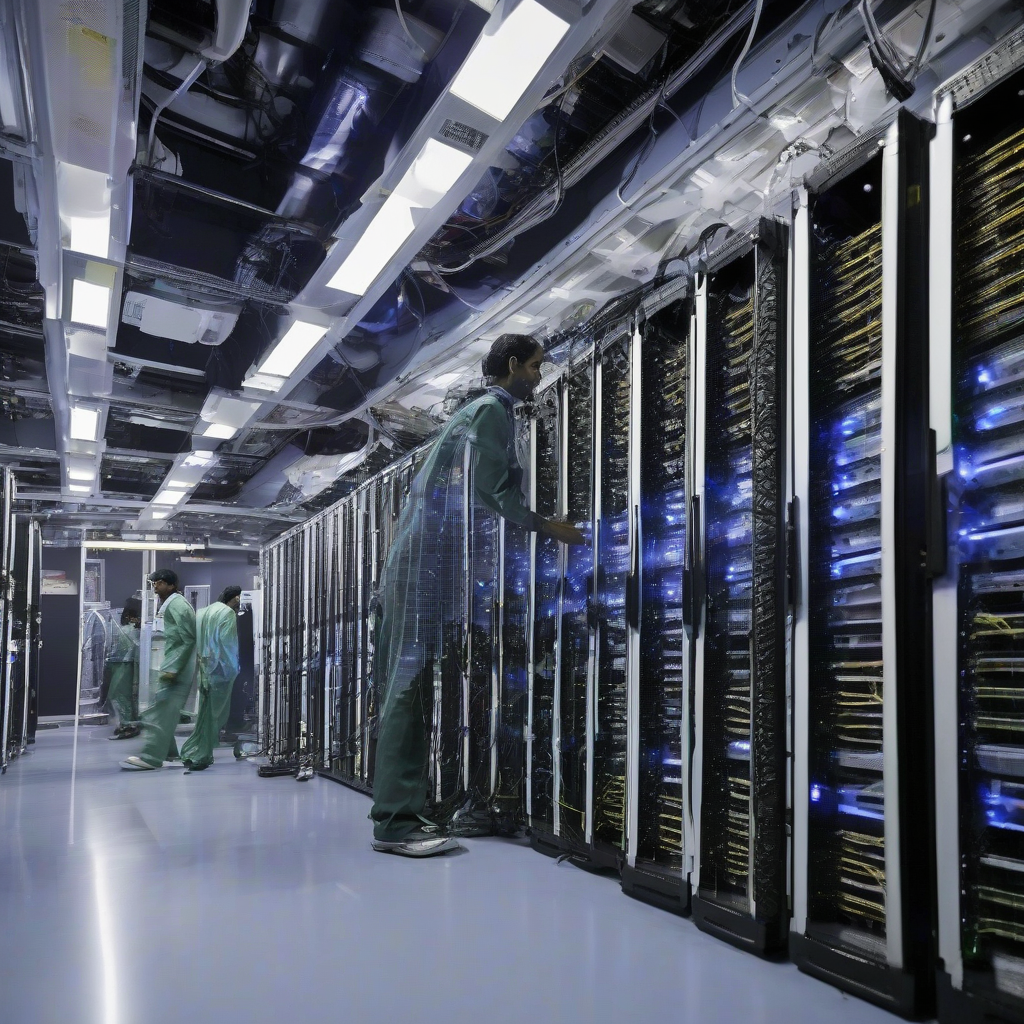
๐Ÿ“ธ Figure 1.2 ยท Operational Context
Figure 1.2: Secondary sector visual for Artificial Intelligence briefing on India IT Sector Shows Resilience Despite Artificial Intelligence Shift.Skyline Intelligence

Strategic Implications

  • โœ“India's IT sector remains stable despite rapid artificial intelligence integration.
  • โœ“Entry-level career opportunities are increasingly difficult for new university graduates.
  • โœ“The industry is pivoting from mass hiring models to higher-value operational focus.

Indiaโ€™s dominant information technology sector is effectively managing the transition toward widespread artificial intelligence integration, maintaining market stability even as the nature of entry-level labor demand shifts. According to The Economist โ€” Finance, while the sector continues to generate significant economic output, the deployment of automated systems is complicating the initial career trajectory for many recent university graduates.

While the industry has adapted to structural changes before, the current pace of AI adoption forces firms to re-evaluate their reliance on traditional, large-scale hiring models. The shift is particularly visible in how companies allocate resources between legacy service maintenance and emerging AI-driven development. Organizations are prioritizing efficiency in core operations, which inadvertently raises the barrier to entry for junior employees who traditionally performed manual coding and routine troubleshooting tasks now being automated.

Regulatory bodies and industry analysts are monitoring these shifts to determine the long-term impact on the labor participation rate within the technology sector. The move away from volume-based hiring suggests that the next phase of Indian tech growth will prioritize specialized expertise over mass workforce scaling.

MetricObservationStatus
Primary IndustryIndian IT ServicesResilient
Market ImpactAI IntegrationActive
Entry-Level OutlookGraduatesChallenging

Why It Matters

This transition marks a departure from the multi-decade expansion model that turned India into the worldโ€™s back office. By shifting toward high-value, AI-augmented workflows, firms are effectively protecting margins but risk creating a structural deficit in mid-career talent pipelines. If the industry fails to integrate entry-level workers into these sophisticated environments, it could face a long-term decline in indigenous innovation capacity. The reliance on AI to automate junior-level cognitive tasks mandates a fundamental redesign of corporate training programs to ensure the next generation of engineers remains competitive on a global scale.

Expected Next Steps

  • 1Monitor quarterly hiring data from major Indian IT service firms.
  • 2Analyze potential updates to university engineering curricula in India.
  • 3Observe policy shifts from the Indian government regarding tech workforce development.

Frequently Asked Questions

No, the sector is demonstrating resilience, though it is navigating significant changes in workforce hiring patterns.

Automated systems are handling tasks previously assigned to junior staff, making the initial entry into the workforce more challenging for recent graduates.

Firms are moving away from mass hiring toward a focus on higher-value, specialized technical expertise.

Source Transparency & Verified Dispatches

โœ“ Verified Primary Data
โœ“
The Economist โ€” Finance๐Ÿ’ผ Corporate Dispatch
Source โ†—

Reader Discussion & Insights

Leave a Comment

Loading discussion thread...

Get Breaking Global Intel in Your Inbox

Subscribe to the Skyline Wire AI Daily Briefing. Direct insights across Aviation, Tech, EVs, and Markets.

Original announcement link: The Economist โ€” Finance

indiait-sectorartificial-intelligencelabor-marketeconomy
india it sector newsartificial intelligence impact on jobsindian economy technologyit hiring trends indiathe economist finance reportai adoption in it industrysoftware engineering graduates india