
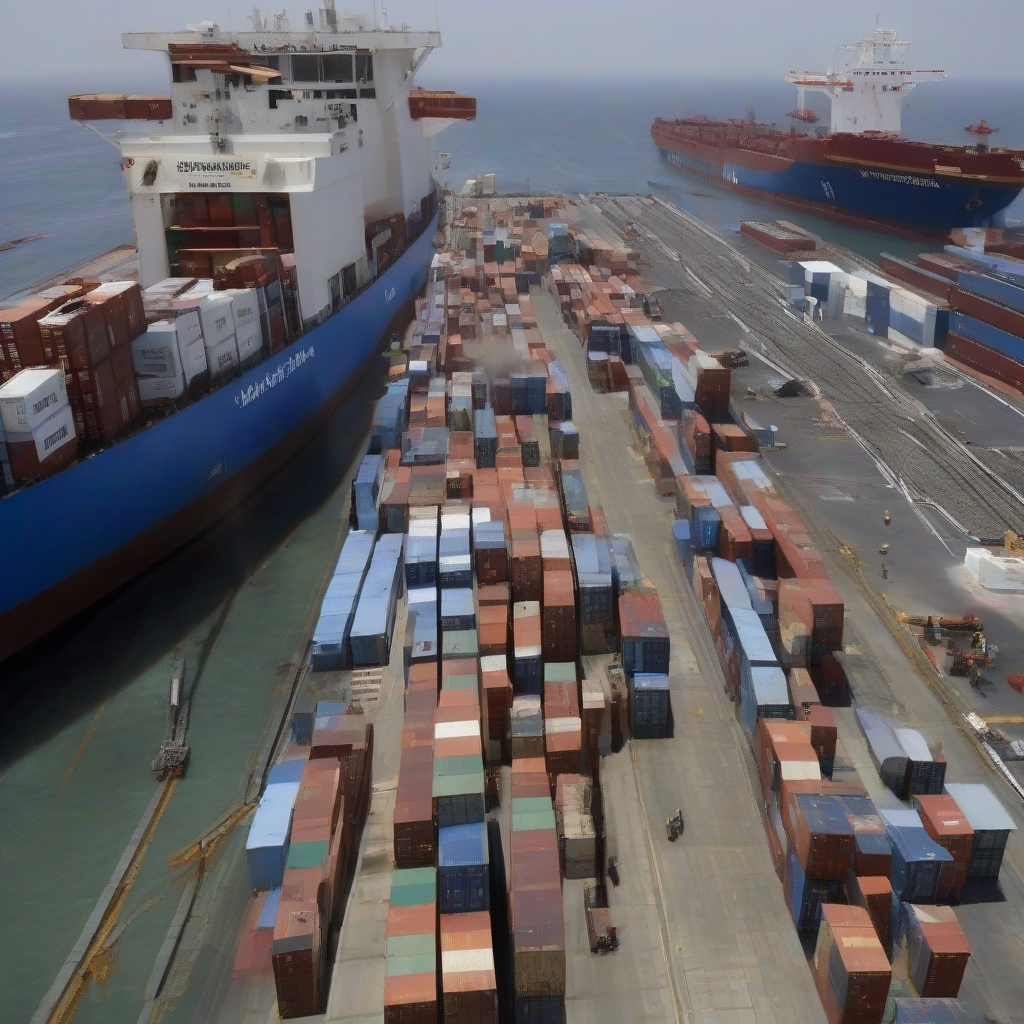
An Indian-flagged cargo vessel foundered in the Red Sea on Monday after sustaining heavy damage from an apparent attack, according to gCaptain. Reports indicate the ship was targeted by a small boat equipped with explosives, leading to a catastrophic breach of the hull.
Maritime Incident Overview
The vessel, operating under an Indian flag, encountered the hostile craft off the coast of Yemen. While maritime security agencies continue to assess the wreckage, preliminary indicators suggest the use of an uncrewed or remotely operated explosive device. The sinking represents a significant development in the security of one of the world's most critical shipping lanes, where vessels have faced increasing threats throughout the current cycle of regional instability.
| Attribute | Detail |
|---|---|
| Vessel Nationality | Indian |
| Incident Location | Red Sea (off Yemen coast) |
| Primary Cause | Apparent explosives-laden boat strike |
| Status | Sunk |
| Date of Incident | Monday |
Security Context
Regional authorities and international naval task forces operating in the Red Sea have not yet issued a formal attribution for the attack. The area remains a focal point for maritime patrols due to the persistent threat posed to commercial and independent logistics operators. Standard protocols for vessels passing through the Bab el-Mandeb Strait and surrounding waters involve increased vigilance, yet the size and nature of the craft involved in this incident highlight the persistent vulnerability of smaller, non-military cargo ships to asymmetrical naval warfare tactics.
Why It Matters
The sinking of this vessel underscores the volatile nature of the Red Sea shipping corridor, which serves as a vital artery for global trade. For the logistics and insurance industries, such incidents drive up risk premiums and force rerouting strategies that add weeks to transit times and significantly elevate fuel expenditures. As attackers demonstrate the ability to neutralize cargo assets with relatively low-cost, expendable waterborne drones, maritime insurers may soon classify the entire region as a total-loss exclusion zone. This development threatens to disrupt supply chains that are already operating at thin margins, potentially forcing global importers to seek alternative overland or air-freight solutions to maintain inventory continuity.
Ongoing monitoring by maritime security organizations will be required to determine if this attack marks a shift in tactical capability or a tactical adjustment by regional actors to bypass increased naval surface presence.
Reader Discussion & Insights