
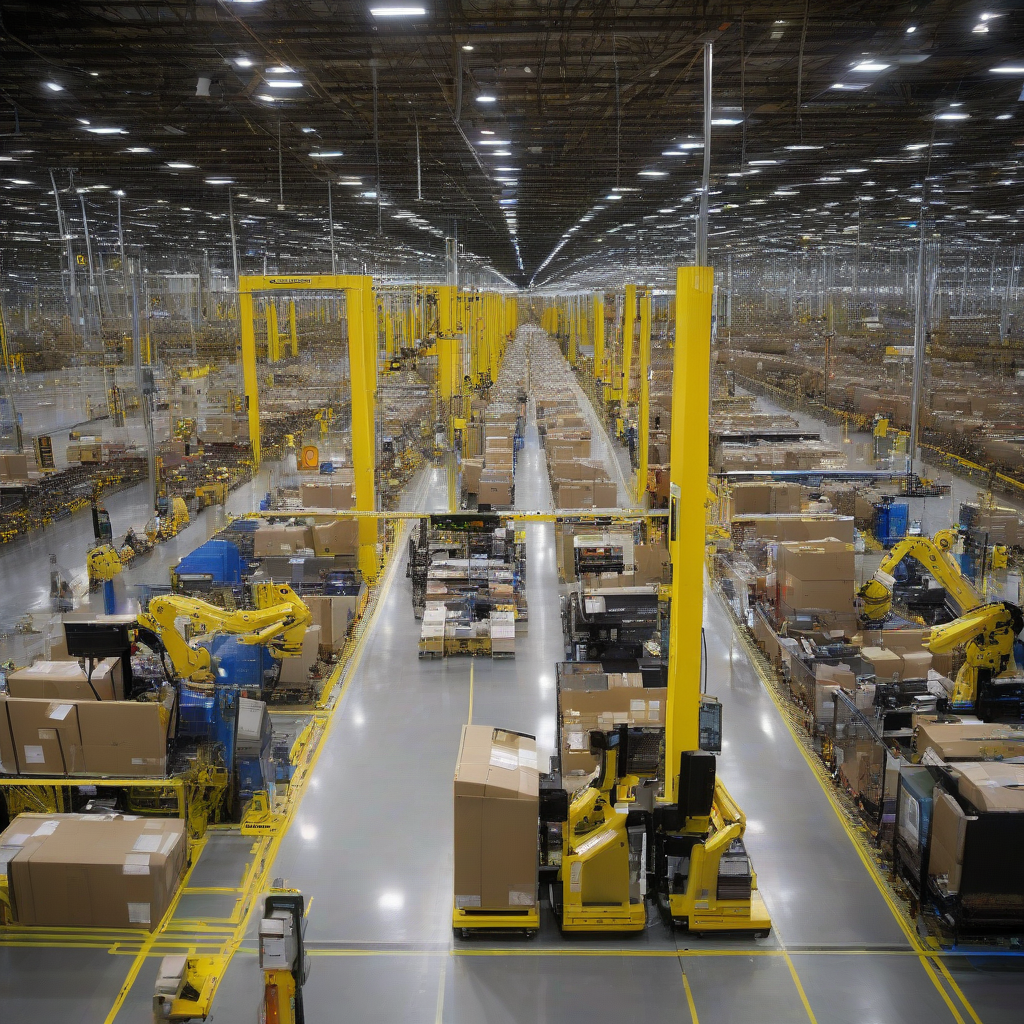
Amazon continues to scale its logistical capabilities through the deployment of specialized robotics and automated packing technology at its fulfillment center in Kent, Washington. According to Supply Chain Dive, the facility represents a core component of the company's regional distribution network, leveraging hardware to streamline the movement of inventory and the preparation of customer orders.
At the heart of the Kent operation are Hercules robots. These autonomous units are responsible for transporting pods of inventory directly to human pickers, reducing the time staff members spend traversing the warehouse floor. By moving the product to the employee, Amazon effectively manages density within the facility while maintaining throughput consistency. This system is integrated with automated packing machines that size, seal, and label boxes to match the specific dimensions of the items being shipped, which minimizes the reliance on manual labor for repetitive packaging tasks.
Operational Infrastructure Overview
| Technology Type | Primary Function | Operational Impact |
|---|---|---|
| Hercules Robots | Inventory transport | Reduced worker travel time |
| Automated Packers | Custom box sizing | Optimized material usage |
| Inventory Pods | High-density storage | Increased cubic storage volume |
These systems operate under the umbrella of Amazon's broader warehouse automation strategy, which is designed to reduce the physical burden on warehouse employees while increasing the speed of the outbound supply chain. The Kent facility serves as a primary example of how the company integrates these hardware solutions into daily operations to handle high-volume order processing across the Pacific Northwest.
Why It Matters
The integration of robotics like the Hercules line signifies a pivot toward hyper-localized distribution requirements. As consumer expectations for rapid delivery shorten, the ability to densify urban and suburban fulfillment centers becomes a competitive requirement. Beyond internal efficiency, this automation shift influences the broader logistics labor market, compelling competitors to evaluate high-capex investments in warehouse robotics to remain price-competitive. If these automated sites maintain higher safety and consistency scores than traditional warehouses, they will likely become the standard template for all new facility builds globally, potentially creating a significant barrier to entry for smaller e-commerce entities lacking the capital for such infrastructure.
Reader Discussion & Insights