
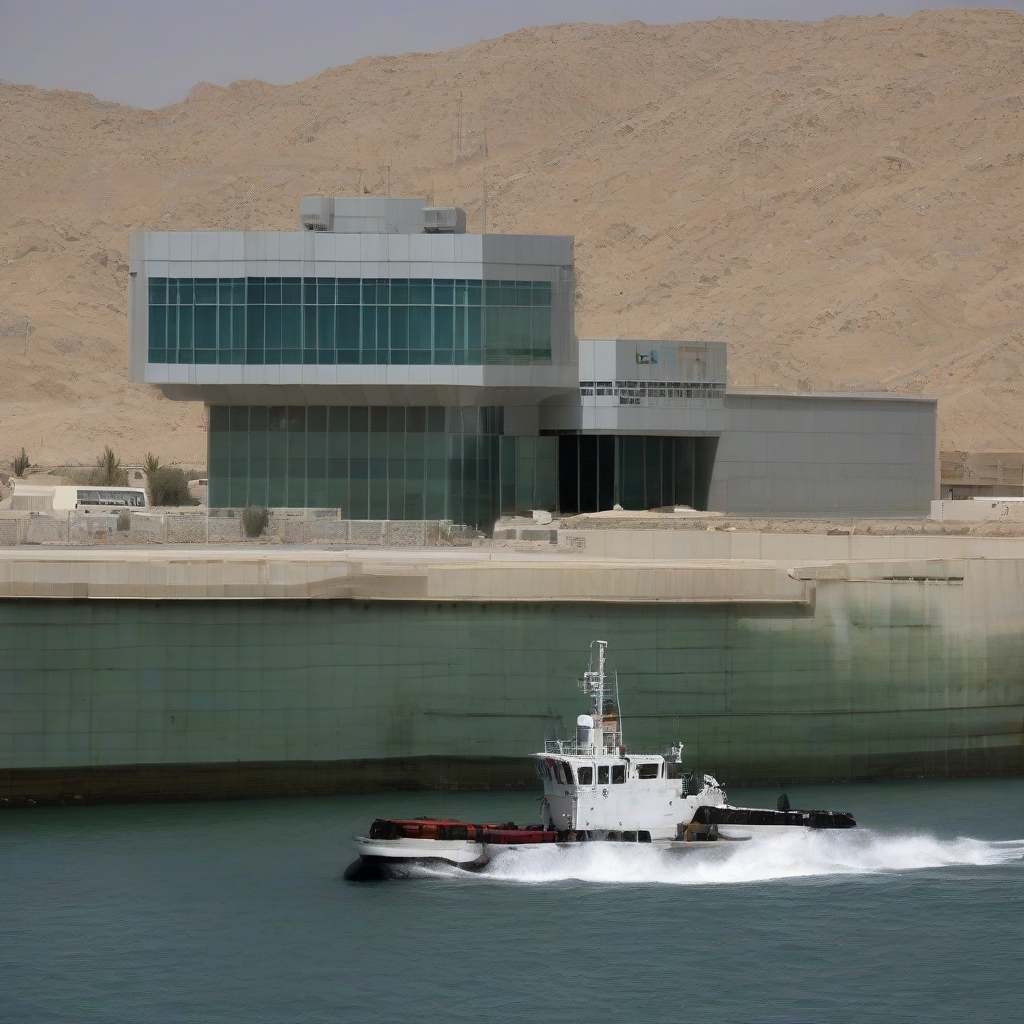

Iranian officials indicate that a bilateral agreement concerning the Strait of Hormuz is in the final stages of development, according to BBC News — World. This strategic waterway remains one of the most significant maritime corridors globally, serving as a critical artery for international oil transit and regional security.
While Iranian authorities have signaled proximity to a formal arrangement with Oman, the scope and specific terms of this potential accord remain undisclosed to the public. As of the current reporting, the United States and the Sultanate of Oman have not provided official commentary regarding these claims or confirmed the status of any ongoing bilateral negotiations involving the waterway.
Current Status of Diplomacy
| Feature | Details | Status |
|---|---|---|
| Primary Negotiators | Iran, Oman | In Final Stages |
| Primary Subject | Strait of Hormuz | Pending Confirmation |
| U.S. Status | No comment | Pending |
| Omani Status | No comment | Pending |
Why It Matters
The Strait of Hormuz is a narrow chokepoint through which a substantial portion of the world's petroleum supply passes daily. Any move to formalize management or security protocols in this area carries profound implications for global energy markets. If a bilateral deal between Iran and Oman materializes, it could alter the existing naval oversight dynamics in the Persian Gulf. For the global logistics and energy sectors, monitoring the implementation of such agreements is vital to predicting shifts in insurance premiums for maritime shipping and potential bottlenecks in crude oil supply chains.
Regulatory authorities and energy market observers continue to monitor official channels for statements from the U.S. Department of State and the Omani Ministry of Foreign Affairs to determine if this bilateral effort will impact international transit regulations or necessitate adjustments in regional security policy.
Reader Discussion & Insights