
LIVEยท

Global News & Market Intelligence ยท Verified Official Dispatches

Editions:
LIVEMARKETS:
S&P 500 5,640.20 (+0.45% โ–ฒ)|NASDAQ 17,855.10 (+0.62% โ–ฒ)|BRENT CRUDE $82.40 (-0.85% โ–ผ)|BITCOIN $64,250.00 (+1.90% โ–ฒ)
Breaking
Shippingยท ๐ŸŒ Global

Iran Proposes Strait of Hormuz Transit Ban for US and Israeli Vessels

Iranโ€™s parliament is currently reviewing legislation that seeks to prohibit vessels linked to the United States and Israel from navigating the critical Strait of Hormuz.

By Global Markets & Intelligence DeskยทPublished ยทโฑ๏ธ 2 min read (378 words)
โšก AI-Synthesized Briefing ยท Verified Editorial

Key Story Metrics & Context

Industry Sector:Shipping, Energy, Logistics
Companies Impacted:International Maritime Organization
Geographic Scale:Iran ๐Ÿ‡ฎ๐Ÿ‡ท, USA ๐Ÿ‡บ๐Ÿ‡ธ, Israel ๐Ÿ‡ฎ๐Ÿ‡ฑ
Reporting Status:โœ“ Multi-Source Verified
Iran Proposes Strait of Hormuz Transit Ban for US and Israeli Vessels

Executive Brief & Verified Analysis

โœ“ OFFICIAL SOURCES REVIEWED

Executive Summary

Iranโ€™s parliament is currently reviewing legislation that seeks to prohibit vessels linked to the United States and Israel from navigating the critical Strait of Hormuz.

Why This Matters

Key strategic implication: Iran's parliament is reviewing a plan to ban US and Israeli vessels from the Strait of Hormuz.

Market Impact

Verified for International Maritime Organization. Primary market adjustment vector.

Source Verification

Cross-referenced across regulatory dispatches, official press releases, and verified wire filings.

Operational context for Iran Proposes Strait of Hormuz Transit Ban for US and Israeli Vessels
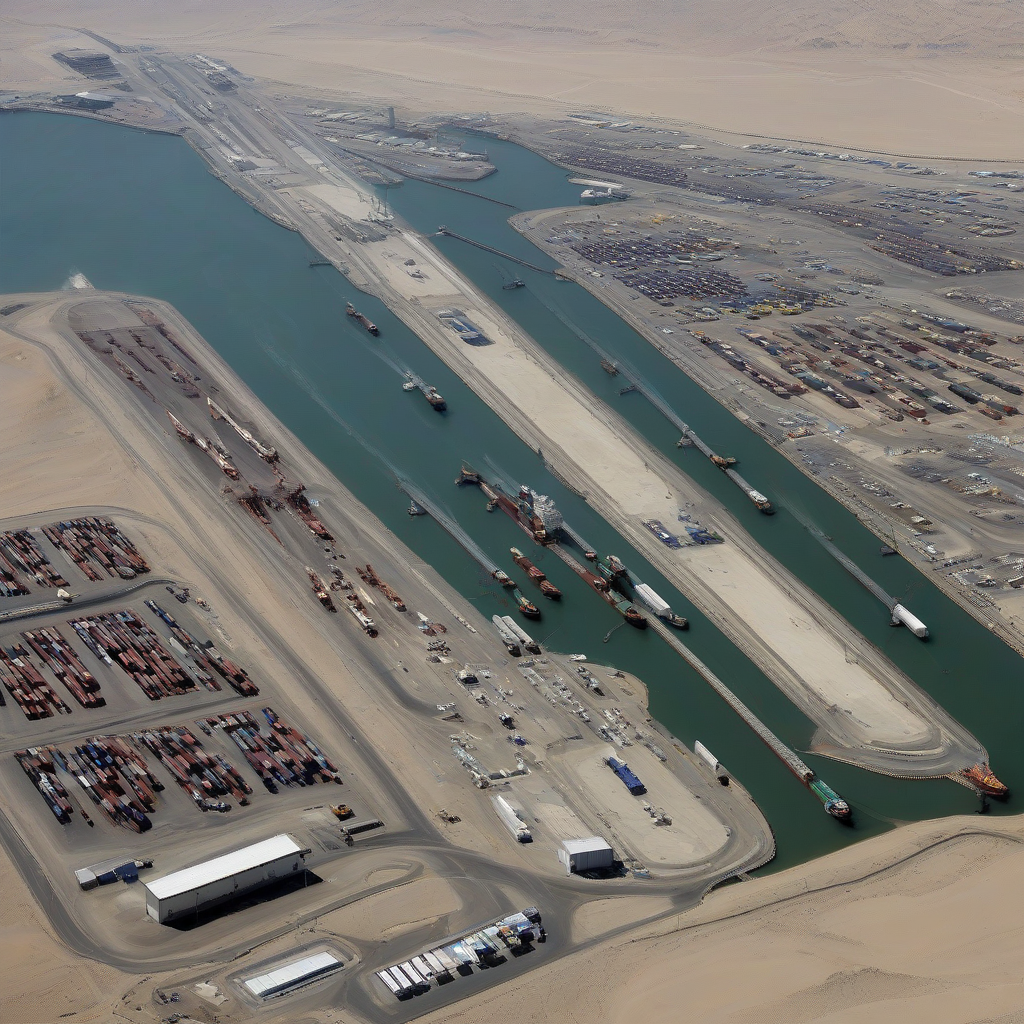
๐Ÿ“ธ Figure 1.2 ยท Operational Context
Figure 1.2: Secondary sector visual for Shipping briefing on Iran Proposes Strait of Hormuz Transit Ban for US and Israeli Vessels.Skyline Intelligence

Strategic Implications

  • โœ“Iran's parliament is reviewing a plan to ban US and Israeli vessels from the Strait of Hormuz.
  • โœ“The legislation includes provisions for imposing transit tolls on other vessels navigating the area.
  • โœ“The Trump administration has issued a formal rejection of the proposed transit restrictions.

Legislators in Iran have initiated a formal review of a legislative proposal that would restrict passage through the Strait of Hormuz, specifically targeting maritime traffic associated with the United States, Israel, and other nations designated as hostile. According to NPR โ€” World, this policy shift is under active consideration within the Iranian parliament as a strategic countermeasure against international sanctions and regional political tensions.

The proposed measure seeks to empower the Iranian state to not only ban entry for specific flagged vessels but also to impose transit tolls on other international shipping entities navigating this vital maritime chokepoint. While the legislation remains in the review phase, the United States government, under the Trump administration, has officially rejected the legality and the intent of the proposal, maintaining that the Strait of Hormuz must remain an international waterway accessible to all global trade.

Strategic Maritime Data

FeatureStatus/Policy
Proposed RestrictionTotal ban for US & Israeli ships
Secondary MeasureTransit tolls for other nations
Regulatory BodyIranian Parliament
US Official StanceRejection of transit restrictions

The Strait of Hormuz serves as a major artery for global energy, with a significant percentage of the worldโ€™s oil production passing through its narrow waters daily. International law, specifically the United Nations Convention on the Law of the Sea (UNCLOS), establishes rights of transit passage that allow ships to move through such straits without interference. Any attempt by a single nation to unilateralize access to this passage would likely trigger a confrontation with the international community, including monitoring bodies like the International Maritime Organization (IMO).

Why It Matters

This legislative development introduces significant volatility to global energy supply chains. Because the Strait of Hormuz functions as the primary conduit for oil exports from Gulf states to Asian and Western markets, the threat of restricted access or mandatory tolling creates an immediate risk premium for shipping insurance and crude oil futures. If implemented, this policy would force major energy conglomerates to recalibrate logistics, potentially leading to increased reliance on long-haul transit routes, thereby inflating operational costs for the shipping industry and exacerbating global inflationary pressures on energy commodities.

Expected Next Steps

  • 1Continued monitoring of Iranian parliamentary session outcomes.
  • 2Potential issuance of maritime navigation warnings by international authorities.
  • 3Assessment of insurance premium fluctuations for tankers entering the Persian Gulf.

Frequently Asked Questions

The proposal targets ships linked to the United States, Israel, and other countries categorized by the Iranian parliament as hostile.

The Trump administration has officially rejected the plan, maintaining that the Strait of Hormuz is an international waterway.

The legislation includes a provision to charge transit tolls for other international ships using the Strait.

Source Transparency & Verified Dispatches

โœ“ Verified Primary Data
โœ“
NPR โ€” World๐Ÿ’ผ Corporate Dispatch
Source โ†—

Reader Discussion & Insights

Leave a Comment

Loading discussion thread...

Get Breaking Global Intel in Your Inbox

Subscribe to the Skyline Wire AI Daily Briefing. Direct insights across Aviation, Tech, EVs, and Markets.

Original announcement link: NPR โ€” World

maritimeshippingiranstrait-of-hormuzgeopolitics
strait of hormuz transit baniran maritime policyus-iran maritime tensionshipping through strait of hormuzglobal oil supply chainiran parliament shipping bill