
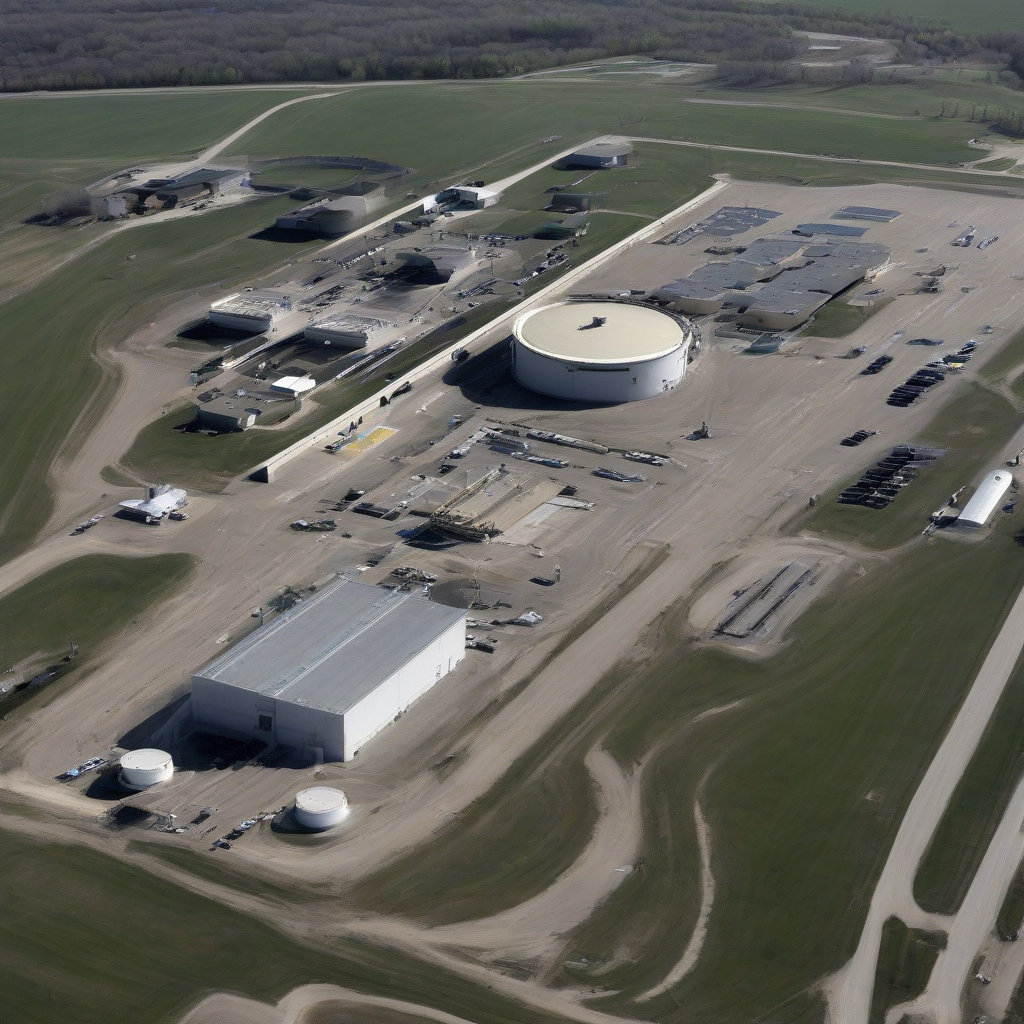
State-sponsored Iranian actors have executed a series of cyberattacks targeting municipal water infrastructure in Minnesota, according to Schneier on Security. The intrusions represent a deliberate effort to probe or disrupt essential utility services, highlighting the persistent threat posed by foreign entities against the regional systems that sustain daily life in the United States.
While the scope of the incident is currently under investigation, experts emphasize that these attempts follow a pattern of behavior observed in hostile cyber-espionage operations. The primary objective appears to be mapping the digital environment of water treatment and management facilities to identify vulnerabilities that could be exploited in future campaigns.
Incident Data Summary
| Attribute | Reported Status |
|---|---|
| Primary Actor | Iranian State-sponsored groups |
| Target Sector | Minnesota Water Systems |
| Activity Level | Active probing and intrusion attempts |
| Threat Assessment | High (Critical Infrastructure) |
Official regulatory bodies and cybersecurity agencies, including the Cybersecurity and Infrastructure Security Agency (CISA) and the Environmental Protection Agency (EPA), have frequently warned about the susceptibility of public water systems to remote digital manipulation. Unlike large-scale enterprise networks, smaller municipal facilities often lack the specialized resources required to defend against sophisticated state-level persistent threats.
These intrusions are not isolated events but rather part of a broader shift in geopolitical aggression where critical infrastructure is treated as a strategic target. The methodology utilized by the attackers aligns with known patterns of reconnaissance designed to bypass standard perimeter security protocols. Authorities continue to monitor the situation, urging local operators to reinforce their operational technology (OT) security frameworks to prevent unauthorized access to control interfaces.
Why It Matters
The targeting of public water utilities marks a departure from traditional corporate espionage, focusing instead on the disruption of life-sustaining services. This indicates that adversary cyber-capabilities are being aligned with physical sabotage goals rather than just information theft. For the broader industry, this necessitates an immediate transition toward 'secure-by-design' principles for industrial control systems. Investors and municipal planners should prioritize funding for air-gapped monitoring and anomalous behavior detection to protect civilian populations from potential utility service failures caused by state-sanctioned digital conflict.
Reader Discussion & Insights