
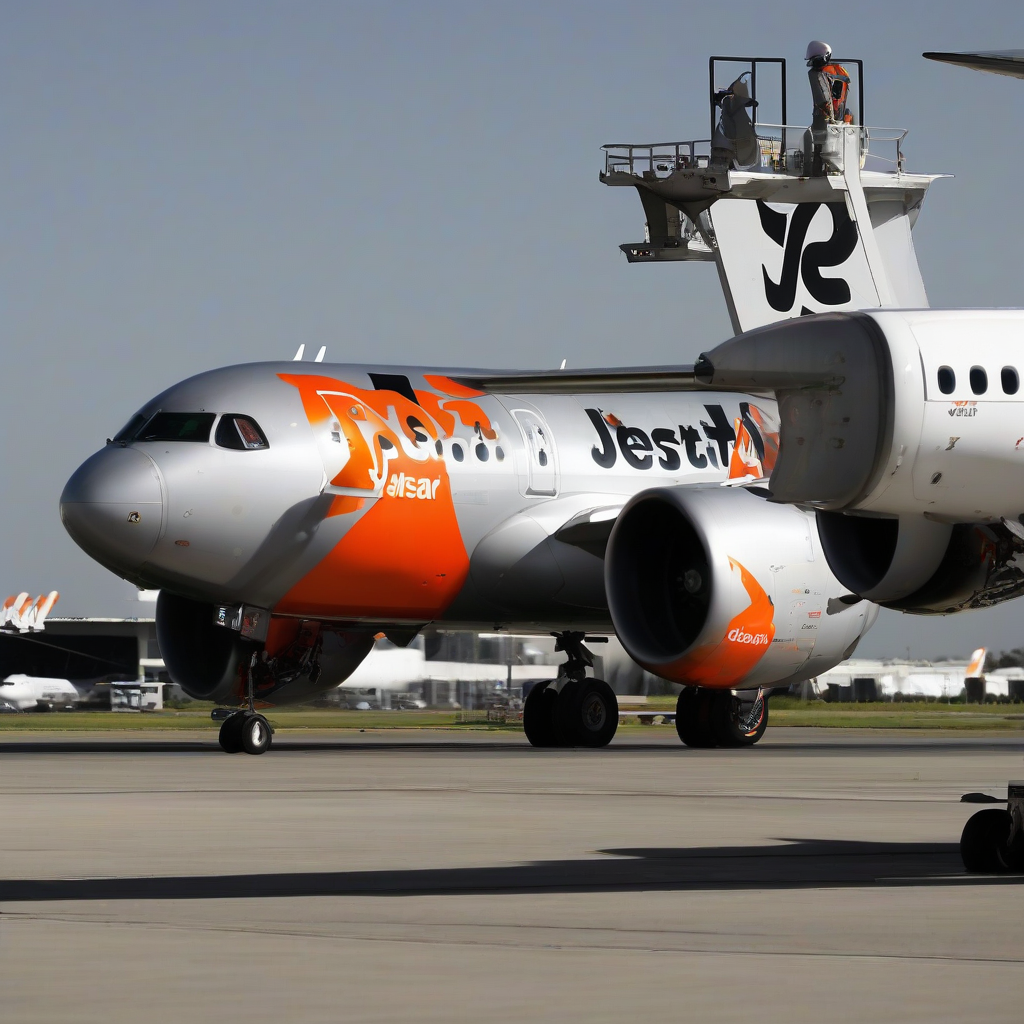

Jetstar Airways is set to overhaul its carry-on baggage policy, eliminating the longstanding 7kg weight restriction for cabin luggage beginning 2 February 2027. According to Aviation Source News, the airline intends to shift to a size-based compliance model, a change intended to alleviate boarding frustrations and streamline operational efficiency for both passengers and ground crews.
Under the new structure, all passengers will be entitled to one underseat bag at no additional cost. This item must adhere to a maximum dimension of 40 x 30 x 20 cm. A specific provision allows passengers traveling with infants to bring an additional underseat bag containing baby items without further charges. For those requiring more capacity, the airline is introducing a "Priority Carry-on" option, which grants access to overhead locker space for a bag measuring up to 56 x 36 x 23 cm. This tier also includes priority boarding benefits.
While the mandatory gate weighing process will be removed, the airline requests that passengers maintain a self-imposed weight limit of 10 kg for personal safety during stowage. Pricing for the priority service is dynamic, starting from $25 on specific routes. Representative base pricing for this service is outlined below.
| Route | Starting Price (One-way) |
|---|---|
| Launceston to Sydney | $25 |
| Adelaide to Brisbane | $26 |
| Sydney to Melbourne | $33 |
CEO Stephanie Tully indicated that the decision followed extensive feedback regarding the stress associated with baggage checks at the gate. The airline maintains that this shift will improve cabin space management and assist in on-time departures.
Why It Matters
This pivot by Jetstar highlights a growing trend in the low-cost carrier sector to move away from weight-centric enforcement toward dimension-based inventory control. By monetizing overhead bin space, the airline essentially unbundles the cabin product further. This creates a secondary revenue stream that mitigates the risk of overweight baggage causing ground delays, while simultaneously optimizing turn-around times. For the wider industry, this signals an acceptance that enforcing weight limits at the gate is operationally inefficient in high-volume, cost-sensitive markets, favoring standardized luggage sizing instead.
Reader Discussion & Insights