
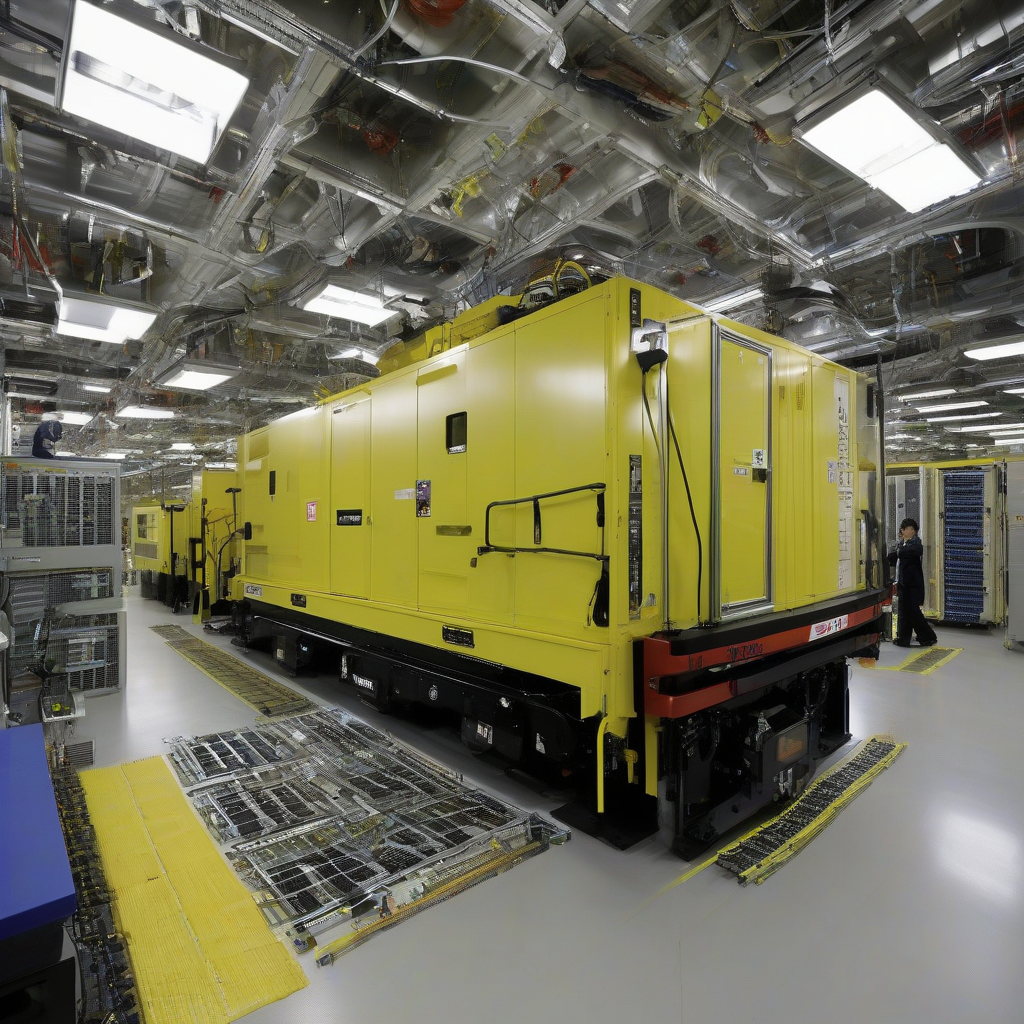
JR Hokkaido has initiated a fleet modernization program by introducing modern diesel-electric locomotives to support its operations across non-electrified routes on Japan's northern island. According to Railway Gazette, the operator is preparing to test the first of three DD200-501 locomotives, which were dispatched from Kawasaki Heavy Industries’ Hyogo works in Kobe on July 29, following a July 27 announcement. The units are currently destined for the Teine depot in Sapporo to undergo commissioning trials throughout August.
This deployment marks a shift away from the legacy DE10 diesel-hydraulic locomotives. Across the national network, 32 units of the DD200 series are currently in service. The transition is designed to improve operational efficiency, as the newer diesel-electric models offer lower emissions and quieter performance compared to the hardware they replace.
Locomotive Performance and Fleet Specifications
| Specification | DE10 Fleet | DD200 Fleet |
|---|---|---|
| Max Speed | 80 km/h | 110 km/h |
| Transmission | Diesel-hydraulic | Diesel-electric |
| Service Status | Being phased out | Expanding across Japan |
Beyond yard shunting, the DD200 units are slated to handle rescue operations, empty stock movements, and supplemental passenger work. This transition coincides with the retirement of loco-hauled formations on the Furano Biei Norokko and Kushiro Shitsugen Norokko tourist routes, which have utilized the DE10 locomotives for over 40 years. These services will transition to refurbished KiHa 143 DMUs, dubbed 'Red Star' and 'Blue Star' and styled by Eiji Mitooka, effective February 2027.
Why It Matters
The renewal of JR Hokkaido’s shunting fleet signifies a broader trend in Japanese rail logistics toward standardized, modular motive power. By adopting the DD200, which has already been validated by JR Freight since 2018 and used by JR Kyushu for premium services like the Seven Stars train, JR Hokkaido is reducing long-term maintenance overhead. The ability to integrate these versatile units into both utility and passenger tourist roles allows the operator to maintain legacy tourist brand equity while adhering to modern, stricter environmental compliance standards, effectively lowering the carbon footprint of regional rail operations.
Reader Discussion & Insights