
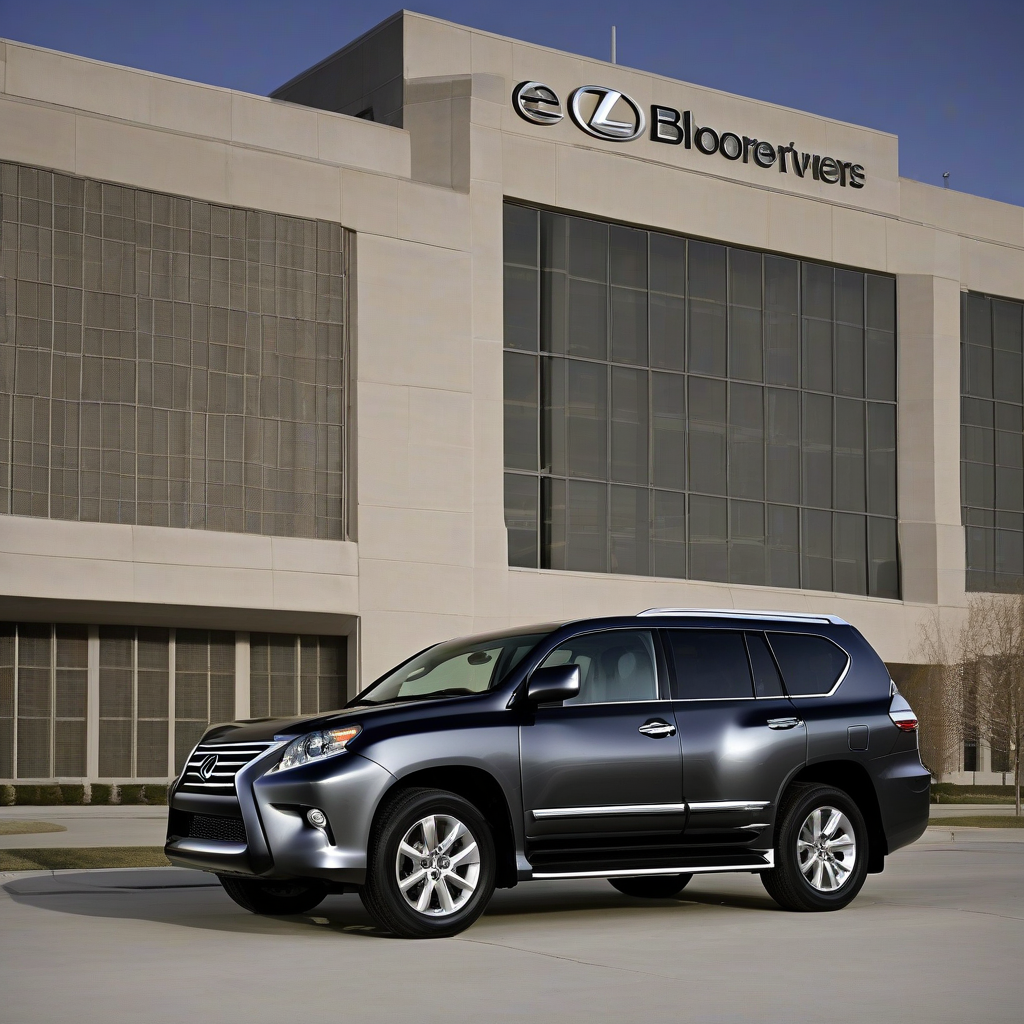
According to Car and Driver, the Lexus GX distinguishes itself in the luxury SUV market by functioning as a more refined version of the Toyota Land Cruiser. Selecting the optimal trim level requires an analysis of specific features versus cost, as the vehicle shares a core architecture with its Toyota counterpart but introduces distinct premium interior and technological appointments.
Trim Level Comparison Overview
| Feature | Category | Notes |
|---|---|---|
| Platform Architecture | Shared | Based on Toyota Land Cruiser |
| Market Position | Luxury | Higher appointment than standard Toyota |
| Primary Focus | Value | Identification of best-trim efficiency |
For prospective owners, the evaluation centers on identifying which configuration provides the most return on investment. The publication notes that while the model range spans various price points and performance packages, the most effective purchase strategy hinges on balancing essential off-road capabilities with daily comfort amenities typical of the Lexus brand. Buyers should weigh the mechanical similarities to the Toyota Land Cruiser against the specific Lexus-exclusive trim options to determine which package aligns with their intended usage.
Why It Matters
The premium SUV segment remains highly competitive, with consumers increasingly scrutinizing the value proposition of badge-engineered vehicles. As manufacturers like Toyota and Lexus continue to share development costs through platform integration, the ability of a consumer to distinguish between shared engineering and luxury-specific added value becomes central to automotive purchase decisions. This analysis highlights the importance of market segmentation and provides a framework for consumers to avoid overspending on redundant features while still securing the premium experience expected from the Lexus brand, ultimately impacting inventory turnover and dealership pricing strategies for high-end utility vehicles.
Reader Discussion & Insights