
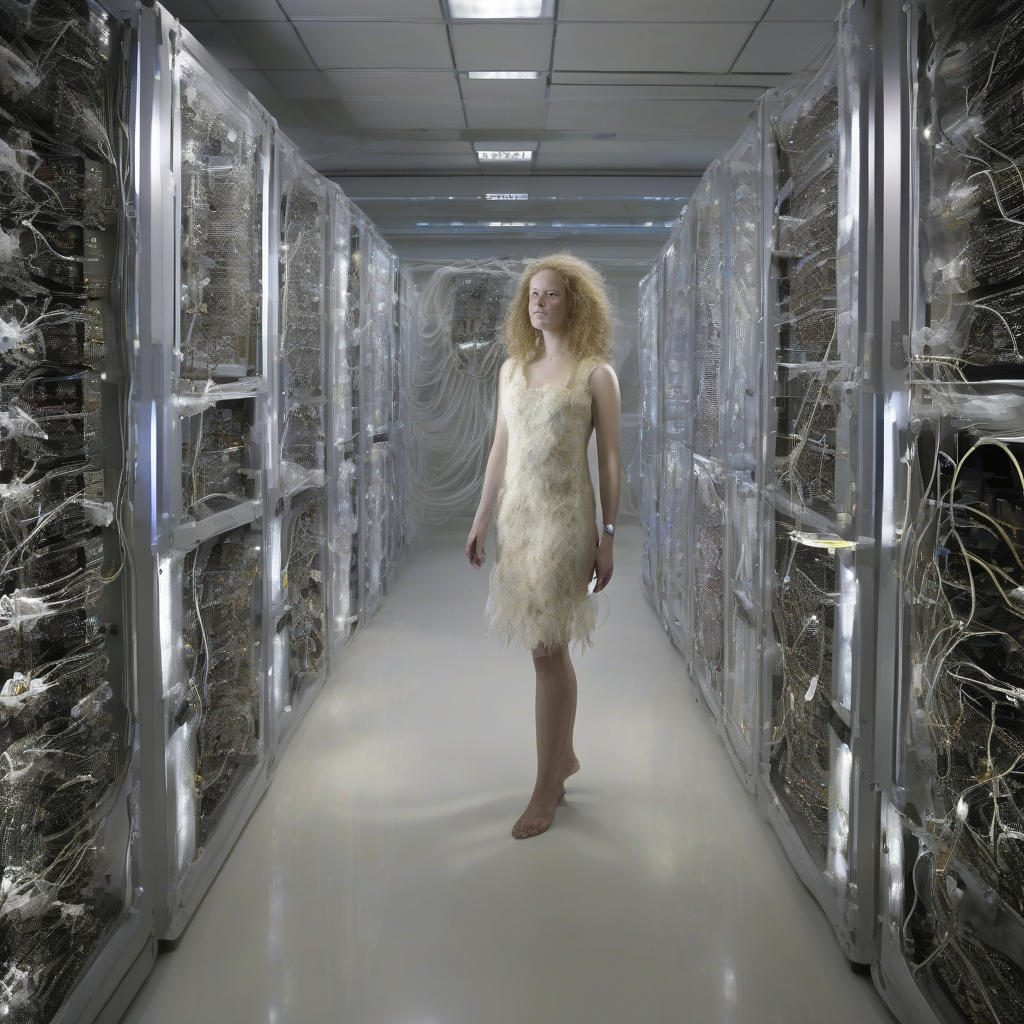

A groundbreaking innovation in textile technology has emerged with the creation of a dress composed of living mycelium, capable of biological self-renewal and structural repair. This development, highlighted according to Hacker News Front Page, marks a departure from static fashion materials by utilizing fungal networks that maintain active metabolic processes.
The garment functions by maintaining the mycelium in a dormant yet viable state. When the fabric suffers structural damage, the embedded fungal filaments are capable of regenerating, effectively mending tears or thinning areas without the need for traditional external intervention. This biological mechanism relies on specific environmental triggers that allow the organism to distribute nutrients and build new cell walls across damaged sections.
Technical Specifications
| Feature | Specification |
|---|---|
| Material | Living Mycelium |
| Primary Function | Self-Repair and Regeneration |
| Metabolic State | Controlled Dormancy |
| Repair Mechanism | Biological Filament Growth |
Technical analysis of the material suggests that the dress must be stored in specific humidity and temperature conditions to ensure the mycelium does not undergo full decay or excessive overgrowth. Researchers have focused on stabilizing the organism so that it remains a stable wearable while retaining its regenerative potency.
Why It Matters
The introduction of living textiles suggests a significant shift in the circular economy for consumer goods. By transitioning from synthetic, degradable fibers to self-repairing biological systems, the apparel industry could drastically reduce waste volumes and material consumption. If this technology scales, garment life cycles could extend indefinitely, moving away from the 'fast fashion' model that currently burdens global landfills. Furthermore, the synthesis of biology and engineering invites new regulatory inquiries into the classification of 'living' consumer products, potentially creating new standards for safety and product longevity that differ significantly from inanimate goods.
Reader Discussion & Insights