
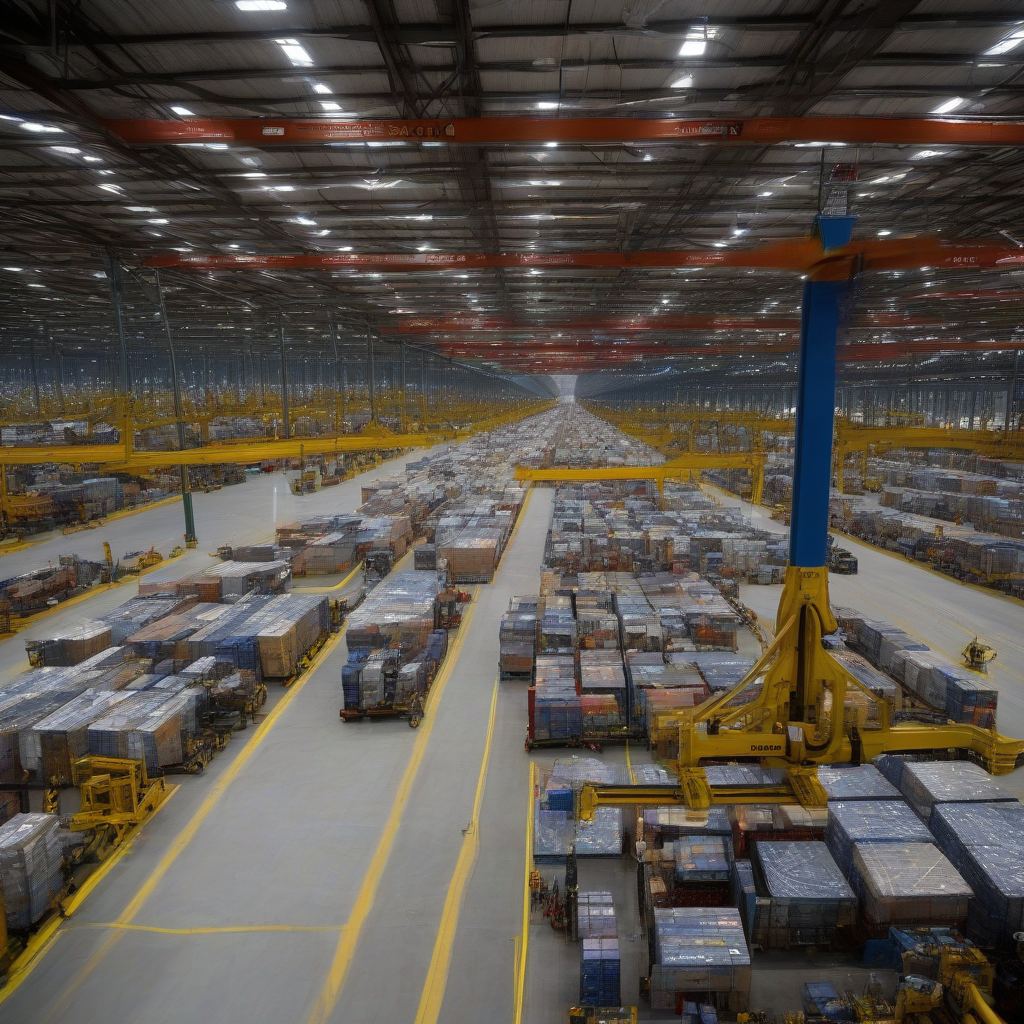

Supply chain resilience in Mexico remains heavily dependent on the efficiency of regional logistics networks, according to Shipping News. As industrial demands increase across North American corridors, the ability to manage cargo flow through established shipping lanes has become a priority for operational continuity.
Reliable transportation frameworks are required to handle the volume of goods moving through key manufacturing hubs. Industry analysts observe that without modernized logistics, domestic and international delivery timelines face significant risks. The data highlights a shift toward prioritizing infrastructure connectivity as a method to mitigate delays and manage costs effectively.
Regulatory bodies and international trade organizations monitor these shifts to ensure compliance with standards governing maritime and ground transport. Organizations are now placing greater emphasis on how logistical bottlenecks impact the overall flow of goods. As supply chains grow more complex, maintaining visibility over transportation segments is essential for companies aiming to meet production quotas and delivery schedules.
Why It Matters
The focus on logistics within the Mexican market mirrors a broader global trend of regionalizing supply chains to minimize transit risks. By strengthening domestic transportation networks, firms reduce their exposure to volatile transoceanic freight rates and external geopolitical shocks. This shift toward localized logistics not only improves inventory turnover ratios but also aligns with the modern necessity of 'nearshoring,' where companies relocate production closer to their end-consumer base in the United States and Canada to ensure faster, more predictable fulfillment cycles.
Reader Discussion & Insights