LIVE·

Global News & Market Intelligence · Verified Official Dispatches

Editions:
LIVEMARKETS:
S&P 500 5,640.20 (+0.45% )|NASDAQ 17,855.10 (+0.62% )|BRENT CRUDE $82.40 (-0.85% )|BITCOIN $64,250.00 (+1.90% )
Breaking
Shipping· 🇪🇺 Europe

Low Water Levels on Germany's Rhine River Threaten Economic Stability

Germany's Rhine River is experiencing dangerously low water levels due to intense heat and drought, threatening to significantly disrupt critical cargo traffic.

By Global Markets & Intelligence Desk·Published ·⏱️ 2 min read (365 words)
⚡ AI-Synthesized Briefing · Verified Editorial

Key Story Metrics & Context

Industry Sector:Logistics, Shipping
Companies Impacted:Global Holdings
Geographic Scale:Germany 🇩🇪
Reporting Status:✓ Multi-Source Verified
Low Water Levels on Germany's Rhine River Threaten Economic Stability

Executive Brief & Verified Analysis

✓ OFFICIAL SOURCES REVIEWED

Executive Summary

Germany's Rhine River is experiencing dangerously low water levels due to intense heat and drought, threatening to significantly disrupt critical cargo traffic.

Why This Matters

Key strategic implication: Intense heat and drought are causing significant drops in Rhine River water levels.

Market Impact

Verified for Global Holdings. Primary market adjustment vector.

Source Verification

Cross-referenced across regulatory dispatches, official press releases, and verified wire filings.

Operational context for Low Water Levels on Germany's Rhine River Threaten Economic Stability
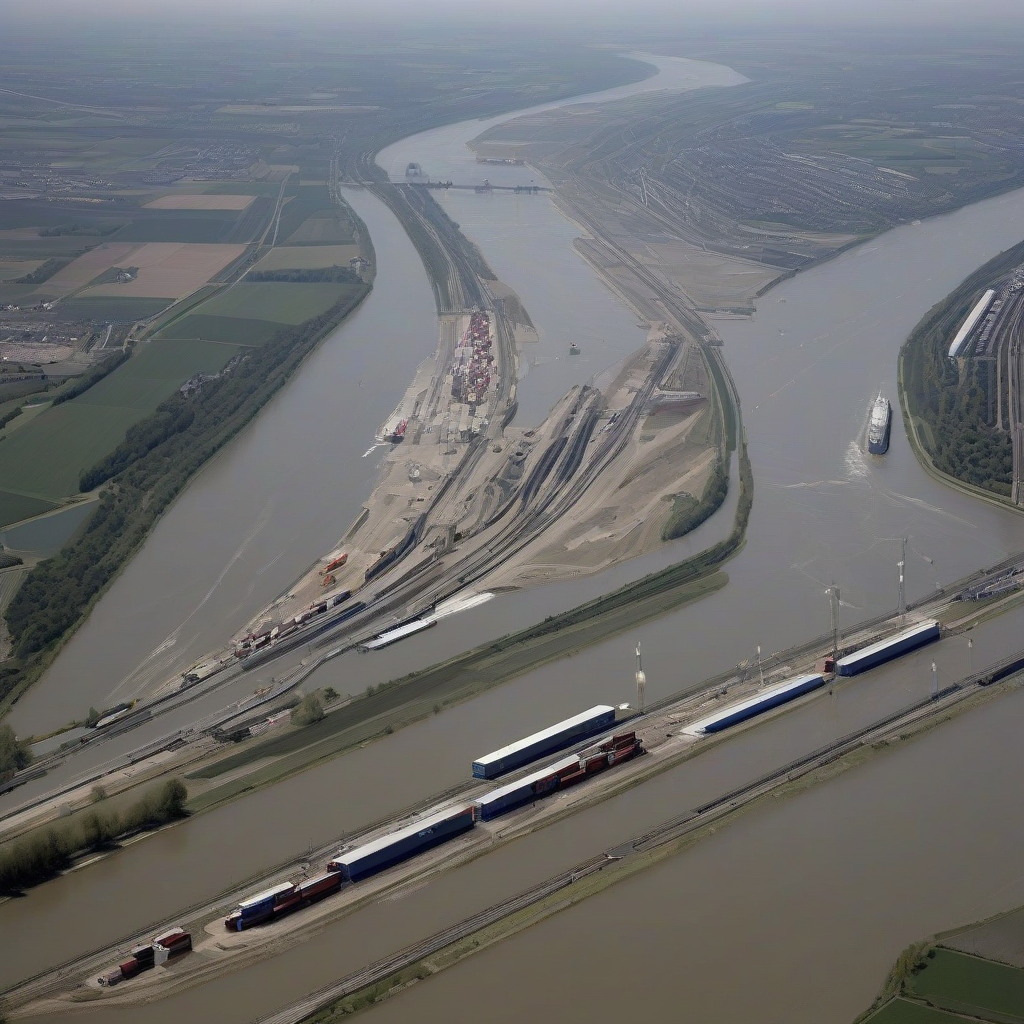
📸 Figure 1.2 · Operational Context
Figure 1.2: Secondary sector visual for Shipping briefing on Low Water Levels on Germany's Rhine River Threaten Economic Stability.Skyline Intelligence

Strategic Implications

  • Intense heat and drought are causing significant drops in Rhine River water levels.
  • Restricted river traffic threatens to hinder Germany’s industrial economic output.
  • Cargo vessels are currently forced to operate at reduced capacity to navigate shallow channels.

Rising temperatures and persistent drought conditions are causing significant drops in water levels along Germany’s major river arteries, according to Phys.org. This environmental shift poses a serious risk to the national economy by severely restricting the capacity of riverboat cargo traffic, which serves as a vital logistics link for industrial transport.

The decline in river depth forces freight vessels to operate with reduced loads to avoid running aground, effectively strangling the supply chain for essential commodities. This situation creates a compounding effect on Germany’s economic output, as the nation relies heavily on inland waterways for the cost-effective transport of raw materials and finished goods.

Current Logistics Constraints

FactorImpact on River Freight
Water DepthRestricted vessel draft and reduced load capacity
Heat/DroughtIncreased operational delays and lower transit efficiency
Economic RiskPotential for supply chain bottlenecks and inflationary pressure

Authorities and regulatory bodies monitoring European inland navigation have warned that when water levels fall below specific safety thresholds, river operators must choose between halting transport or drastically lightening vessel loads. This transition limits the total tonnage moved daily, increasing reliance on rail and road alternatives, which are already nearing their logistical limits.

Why It Matters

The reliance on the Rhine for industrial logistics underscores a vulnerability in the German manufacturing sector that is often overlooked in favor of digital innovation. As extreme weather events become more frequent, the traditional reliance on river infrastructure faces an existential challenge. This shift is driving a need for urgent investments in predictive AI-driven logistics models that can re-route cargo dynamically before water levels reach critical lows. Failure to adapt to these hydrological fluctuations may lead to permanent shifts in regional trade routes, favoring more resilient inland infrastructure over traditional river-based supply chains.

Reliability in logistics is a cornerstone of industrial competitiveness. If river levels continue to fluctuate, manufacturers may be forced to carry higher safety stocks, which increases capital expenditure and reduces overall efficiency in the automotive and chemical production sectors. Future stability will likely depend on integrating meteorological forecasting with automated logistical planning systems.

Expected Next Steps

  • 1Increased monitoring of river gauge measurements at key checkpoints.
  • 2Shift of industrial freight to rail and road transport alternatives.
  • 3Implementation of long-term infrastructure adaptation strategies for inland navigation.

Frequently Asked Questions

The decrease in water levels is primarily attributed to sustained periods of heat and drought affecting the region.

Vessels must reduce their cargo loads to decrease their draft, preventing them from running aground in shallow sections of the river.

The Rhine is a major artery for inland transport, providing a low-cost logistics route for essential industrial goods and raw materials.

Source Transparency & Verified Dispatches

✓ Verified Primary Data
Phys.org💼 Corporate Dispatch
Source ↗

Reader Discussion & Insights

Leave a Comment

Loading discussion thread...

Get Breaking Global Intel in Your Inbox

Subscribe to the Skyline Wire AI Daily Briefing. Direct insights across Aviation, Tech, EVs, and Markets.

Original announcement link: Phys.org

rhinegermanylogisticsdroughtfreighteconomy
rhine river water levelsgermany river cargoinland waterway transport germanyimpact of drought on german logisticsriverboat freight restrictions