
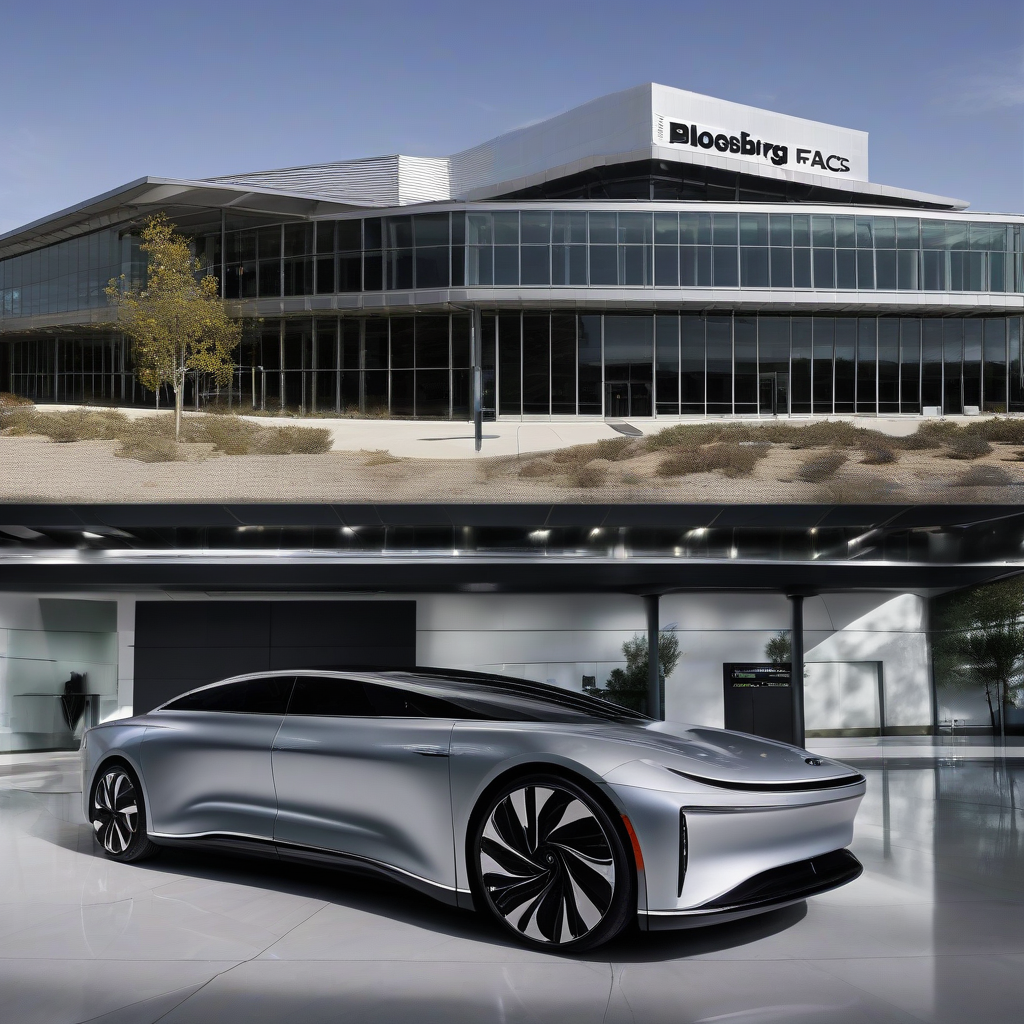
Lucid Motors management has identified the production of mid-size electric vehicles with a price point below $50,000 as a primary objective for the company’s future growth, according to Lucid Motors. This strategic shift marks an attempt to capture a broader consumer base as the manufacturer looks to scale beyond its current luxury segment offerings.
Strategic Pricing and Market Positioning
The company’s internal assessment suggests that delivering high-performance electric vehicles at this price bracket is vital for long-term viability in the competitive automotive sector. While current models like the Lucid Air focus on the premium luxury demographic, the transition toward a sub-$50,000 category reflects the broader industry pressure to make electric propulsion accessible to middle-income buyers.
| Metric | Targeted Segment |
|---|---|
| Vehicle Size | Mid-size |
| Price Ceiling | $50,000 |
According to Lucid Motors, achieving this target requires significant advancements in manufacturing efficiency and battery technology optimization. By focusing on this price threshold, the organization aims to compete directly with high-volume manufacturers who currently dominate the mass-market electric vehicle space.
Industry Outlook
The electric vehicle market remains sensitive to price fluctuations and interest rate environments, as tracked by SEC filings and industry reports. As manufacturers face narrowing margins on luxury products, expanding into the mid-size segment represents a diversification strategy intended to balance the product portfolio and secure recurring revenue streams from a larger addressable market.
Why It Matters
The push for sub-$50,000 models is a definitive attempt to mitigate the stagnation often found in luxury-only portfolios. By targeting the mid-size segment, Lucid is not merely expanding its catalog; it is addressing the "affordability gap" that has hindered wider EV adoption in the United States. If successful, this move could force incumbent automakers—who have historically prioritized high-margin, large-format SUVs and trucks—to accelerate their own cost-reduction programs, potentially driving down consumer prices across the board as competition intensifies for the average household budget.
Reader Discussion & Insights