
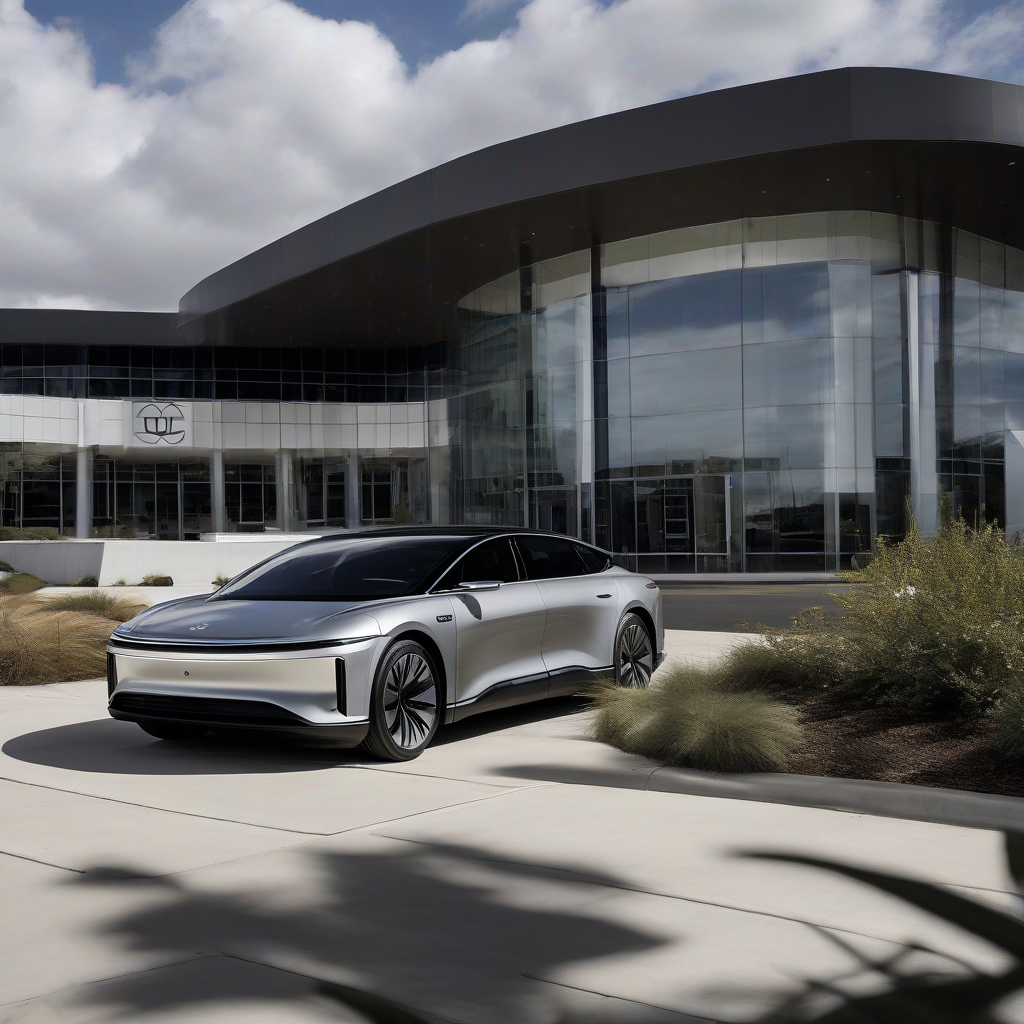
Lucid Motors has announced plans to disclose its operational methodologies regarding the navigation of international trade barriers and tariff-related market shocks, according to Lucid Motors. The manufacturer intends to address how it maintains supply chain resilience despite fluctuating import costs and regulatory shifts that impact the electric vehicle production cycle.
While the company has not provided a specific list of tariff percentages or fiscal impact figures in this announcement, the focus remains on the logistical frameworks required to sustain production velocity in an era of protectionist trade policies. Managing these variables is a core component of the company's efforts to stabilize manufacturing output and control cost-of-goods-sold (COGS) figures.
Operational Summary
| Focus Area | Objective | Metric Type |
|---|---|---|
| Tariff Mitigation | Reduce import volatility | Financial/Logistical |
| Supply Chain | Maintain component flow | Temporal |
| Regulatory Adherence | Ensure trade compliance | Legal |
Official filings with the Securities and Exchange Commission (SEC) often track how international trade policy impacts the long-term capital expenditure of domestic automakers. By sharing these strategies, Lucid Motors aims to provide a framework for how premium EV manufacturers handle the intersection of global trade and domestic production schedules.
Why It Matters
The automotive industry is currently grappling with high-stakes shifts in international trade policy. For manufacturers of electric vehicles, which rely heavily on globalized battery and semiconductor supply chains, tariff shocks represent a significant risk to quarterly earnings and profit margins. Lucid Motors' decision to publicize its mitigation strategies suggests a broader industry shift toward greater transparency regarding supply chain risk management. Investors and competitors are increasingly focused on how companies decouple production dependencies from volatile regions, making this guidance highly relevant for the broader automotive and industrial manufacturing sectors.
Reader Discussion & Insights