
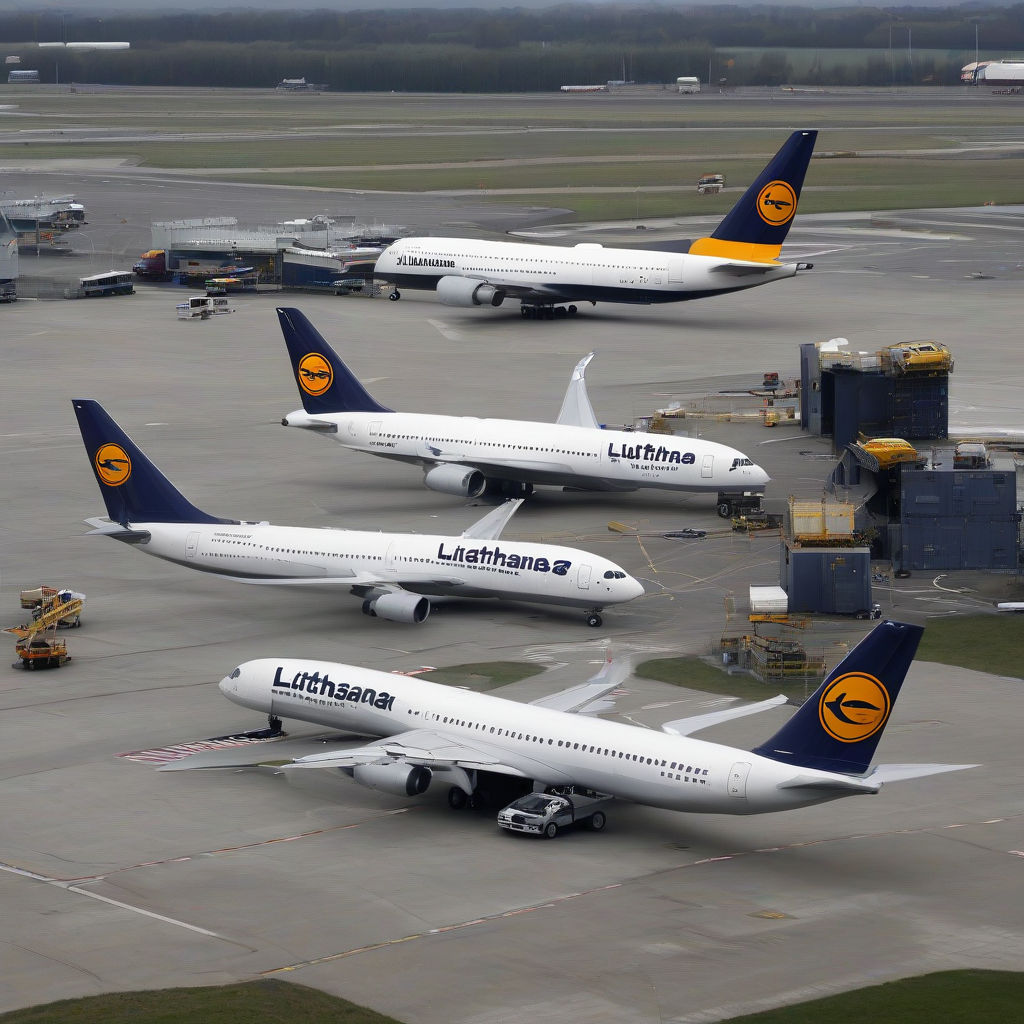
The Lufthansa Group reported an operating profit of €383 million for the second quarter of 2026, according to Aviation Source News. While revenue increased by eight percent year-on-year to €11.1 billion, the company faced significant headwinds from rising fuel costs and labor-related operational disruptions.
The group's Adjusted EBIT, the primary metric for operating profit, saw a decrease compared to the €870 million recorded during the same period in 2025. Management attributed approximately €750 million in additional fuel expenses and at least €150 million in costs associated with labor strikes as the primary factors driving the decline. Despite these figures, high passenger demand and improved yield metrics prevented further losses.
Financial and Operational Performance Metrics
| Metric | Q2 2026 Figure | Change vs. Prior Year |
|---|---|---|
| Total Revenue | €11.1 billion | +8% |
| Adjusted EBIT | €383 million | Down from €870 million |
| Network Airline Capacity | N/A | -3% |
| Network Airline Load Factor | 81.6% | Increased |
| Network Airline Unit Revenues | N/A | +6.4% |
Carsten Spohr, Chairman of the Executive Board and CEO of Deutsche Lufthansa AG, noted that while the group managed to improve its load factor and increase yields, the scale of fuel cost increases could not be fully mitigated. The company highlighted that investments in premium product offerings, specifically the Allegris, Swiss Senses, and FOX service upgrades, remain a priority to sustain revenue growth.
Network airlines operated with a three percent reduction in capacity, influenced by April strikes and a strategic optimization of short-haul routes. Despite the capacity reduction, unit revenues rose 6.4 percent, with Asian routes and premium class bookings serving as key revenue drivers. Within this segment, Adjusted EBIT reached €137 million, reflecting a €490 million decline year-on-year, impacted further by a lower equity contribution from ITA Airways.
Why It Matters
Lufthansa’s latest figures underscore the vulnerability of legacy European carriers to the triple threat of volatility in fuel pricing, inflationary wage pressures, and industrial action. The decline in Adjusted EBIT serves as a bellwether for the broader aviation sector, signaling that strong passenger demand—while vital—is increasingly insufficient to shield margins from external macroeconomic and labor-related volatility. For investors and stakeholders, this highlights that operational efficiency and fleet renewal are no longer just strategic goals but defensive necessities to maintain profitability in a high-cost environment.
Reader Discussion & Insights