
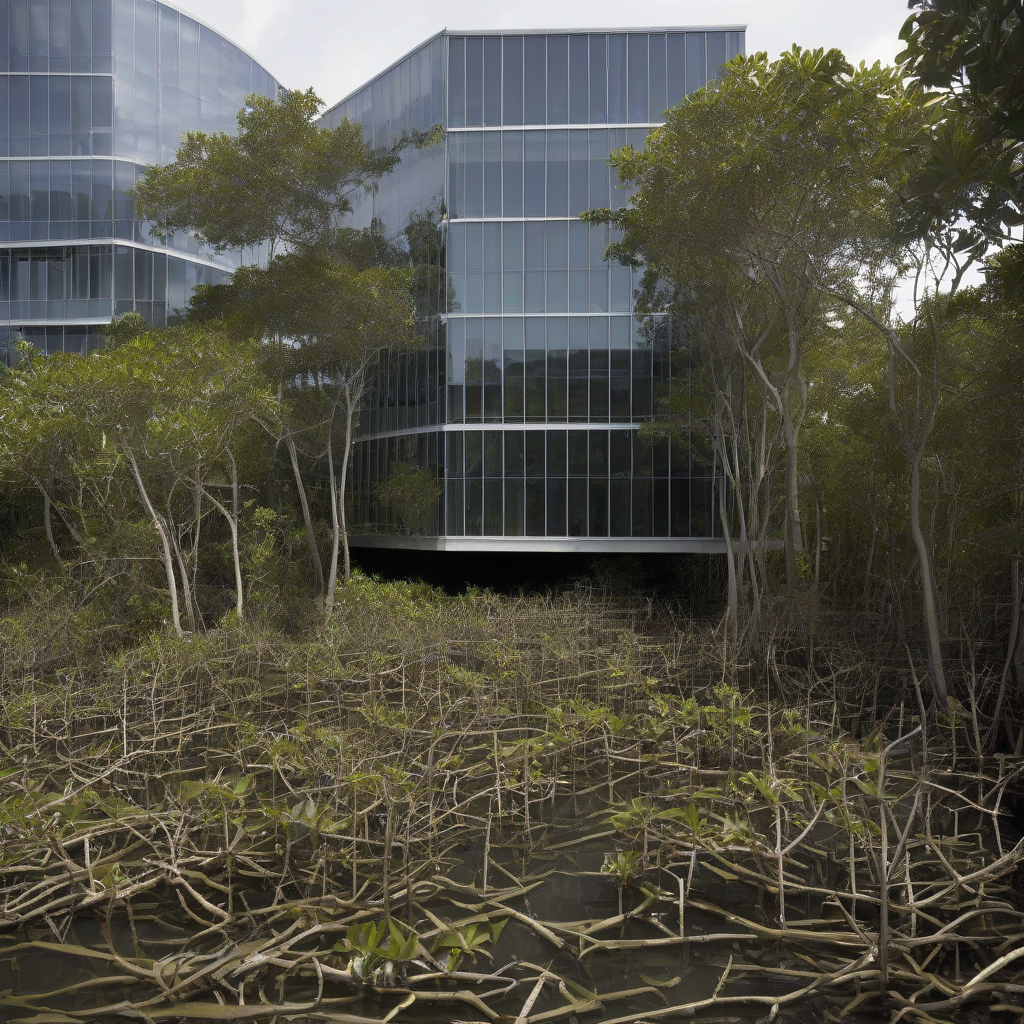

Mangrove forests are demonstrating a positive trend in recovery, according to Phys.org. These complex botanical systems, characterized by their ability to thrive in high-salinity seawater and their distinct root structures that function like stilts, are showing increased resilience. This ecological rebound provides a critical buffer for coastal areas against shifting environmental conditions.
The unique biological design of mangroves allows them to perform specialized respiration through root systems. As they adapt to tidal fluctuations, these plants maintain stability in volatile environments. Current observations indicate that these forests are expanding in areas previously identified as vulnerable to erosion and sea-level rise.
Environmental Indicators
| Feature | Biological Function |
|---|---|
| Root System | Stilt-like structural support |
| Respiration | Root-based oxygen exchange |
| Habitat | Intertidal high-salinity zones |
Researchers are utilizing satellite imagery and spectral analysis to track the biomass growth of these coastal forests. The integration of high-resolution data points allows for precise mapping of mangrove density across various global shorelines. By comparing current land coverage with historical satellite records, scientists have established a clear metric of growth, confirming that these forests are not only surviving but successfully recolonizing coastal patches.
Why It Matters
The recovery of mangrove forests represents a significant development for global carbon sequestration efforts and coastal defense strategies. Mangroves are exceptionally efficient at carbon storage—often referred to as 'blue carbon'—which exceeds the capacity of many terrestrial forest counterparts per hectare. From an industry perspective, this biological expansion suggests that infrastructure developers and coastal regulators may need to update environmental impact assessments. As these ecosystems reclaim territory, the natural protection they offer against storm surges may reduce long-term capital expenditure requirements for artificial sea wall construction and shoreline reinforcement projects.
Reader Discussion & Insights