
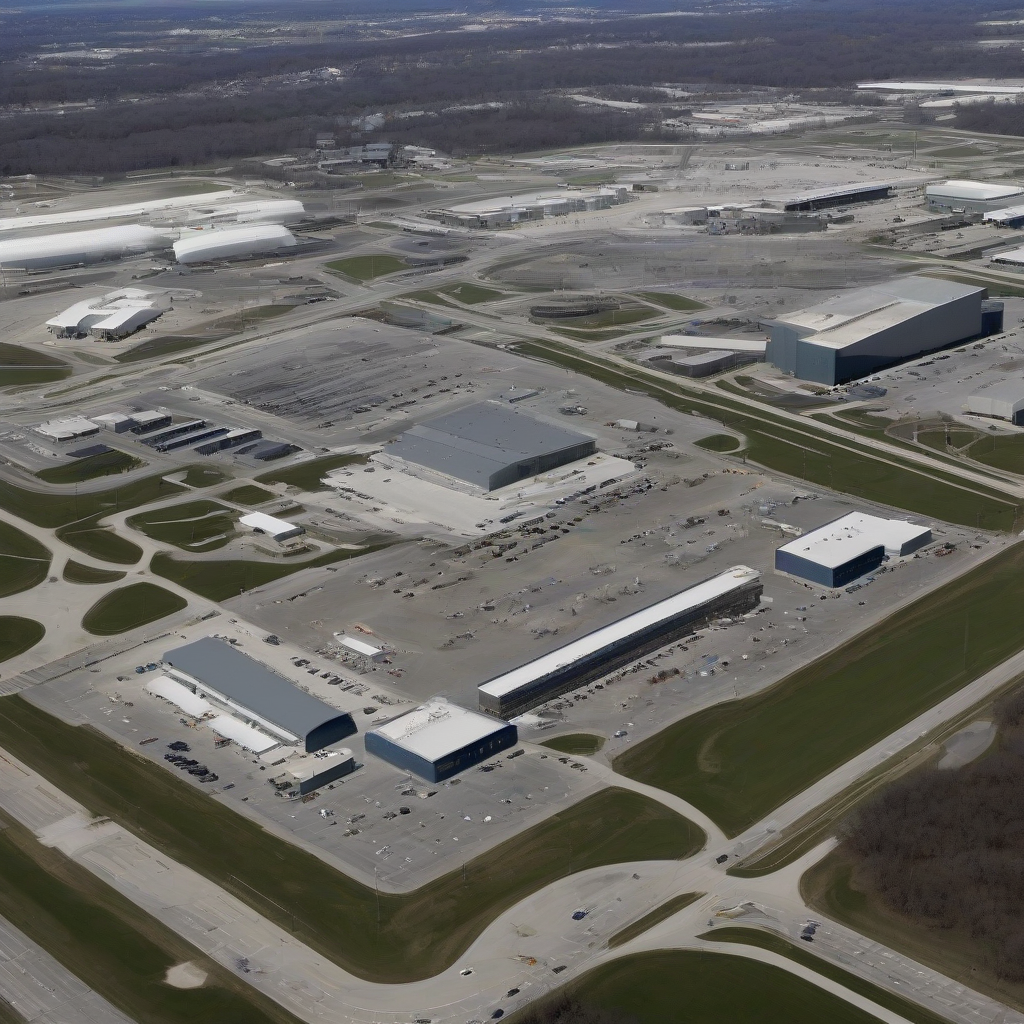
A recent manufacturing survey highlights that inflation-related concerns among purchasing managers have intensified, reaching levels that exceed the volatility experienced during the height of the pandemic, according to CNBC — Economy. This sentiment reflects a high-pressure environment where industrial leaders are struggling to project costs and manage supply chains effectively.
The findings underscore the mounting difficulty for purchasing managers to stay ahead of rapid price adjustments and fluctuating demand. As firms attempt to maintain profitability, the inability to stabilize operational expenses has become a focal point for market analysts tracking macroeconomic stability.
Industrial Sentiment Data Summary
| Indicator Category | Current Status | Comparison Period |
|---|---|---|
| Inflation Worries | Exceeds Peak | Pandemic Era |
| Operational Volatility | Highly Elevated | Historic Averages |
Official data from the Federal Reserve and recent industry indices suggest that these inflationary headwinds are complicating the central bank’s policy trajectory. With purchasing managers reporting a more unpredictable environment than in recent years, the urgency for the Federal Reserve to calibrate interest rates has reached a new threshold of complexity.
Why It Matters
The escalation of inflationary anxiety among manufacturing leads suggests that traditional supply chain management strategies are becoming insufficient. If these sentiments hold, we may see a shift in inventory management practices, with firms moving away from just-in-time logistics toward more expensive, buffer-heavy models to guard against price volatility. This structural change could institutionalize higher production costs, eventually filtering down to end-consumer pricing and potentially forcing the Federal Reserve to maintain higher interest rates for a longer duration to dampen demand-driven inflation pressures.
Reader Discussion & Insights