
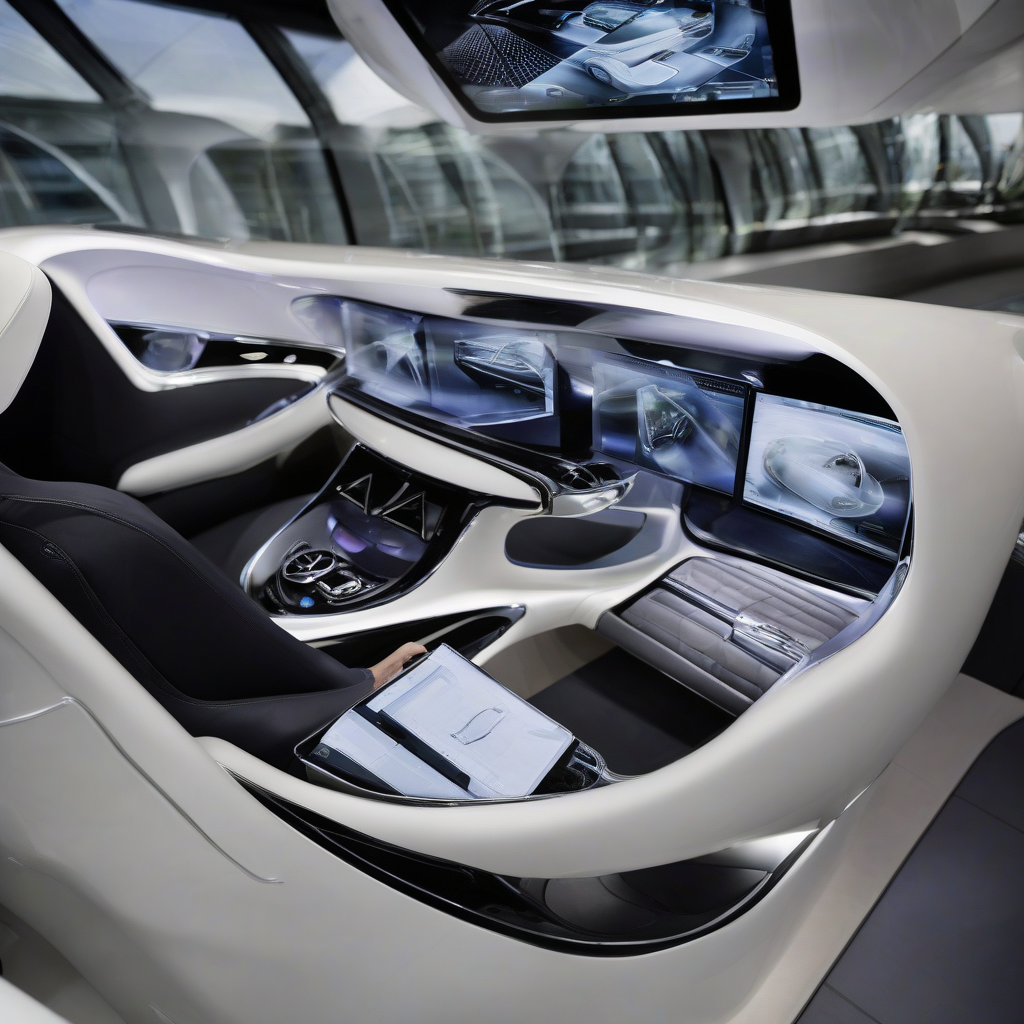
Mercedes-Benz is shifting its interior design philosophy by bringing back physical cabin controls across its future model lineup. According to Mercedes-Benz, the decision marks a strategic pivot away from the recent trend of replacing nearly all tactile buttons and knobs with integrated touchscreen interfaces.
This decision responds to feedback regarding user experience and ergonomics, as the automotive sector grapples with the balance between high-tech digital displays and driver functionality. While the specific rollout schedule for these returning hardware features remains tied to upcoming vehicle architectures, the company is adjusting its approach to human-machine interface (HMI) design.
Current Interior Design Specifications
| Feature Type | Previous Trend | Future Direction |
|---|---|---|
| Cabin Controls | Fully Touch-Based | Reintroduced Physical |
| User Interaction | Screen-Heavy | Tactile/Hybrid |
Why It Matters
The move by Mercedes-Benz signals a broader cooling of the 'screen-ification' era in automotive design. For years, manufacturers viewed massive, bezel-free displays as the ultimate symbol of technological advancement. However, relying solely on touchscreens has introduced safety concerns regarding distracted driving, as drivers often must look away from the road to adjust simple climate or audio settings. By reintroducing physical controls, Mercedes-Benz is prioritizing driver ergonomics and sensory feedback. This shift suggests that luxury consumers are increasingly valuing intuitive, fail-safe operation over the aesthetic minimalism of glass panels, forcing competitors to rethink their own interior layouts.
Reader Discussion & Insights