
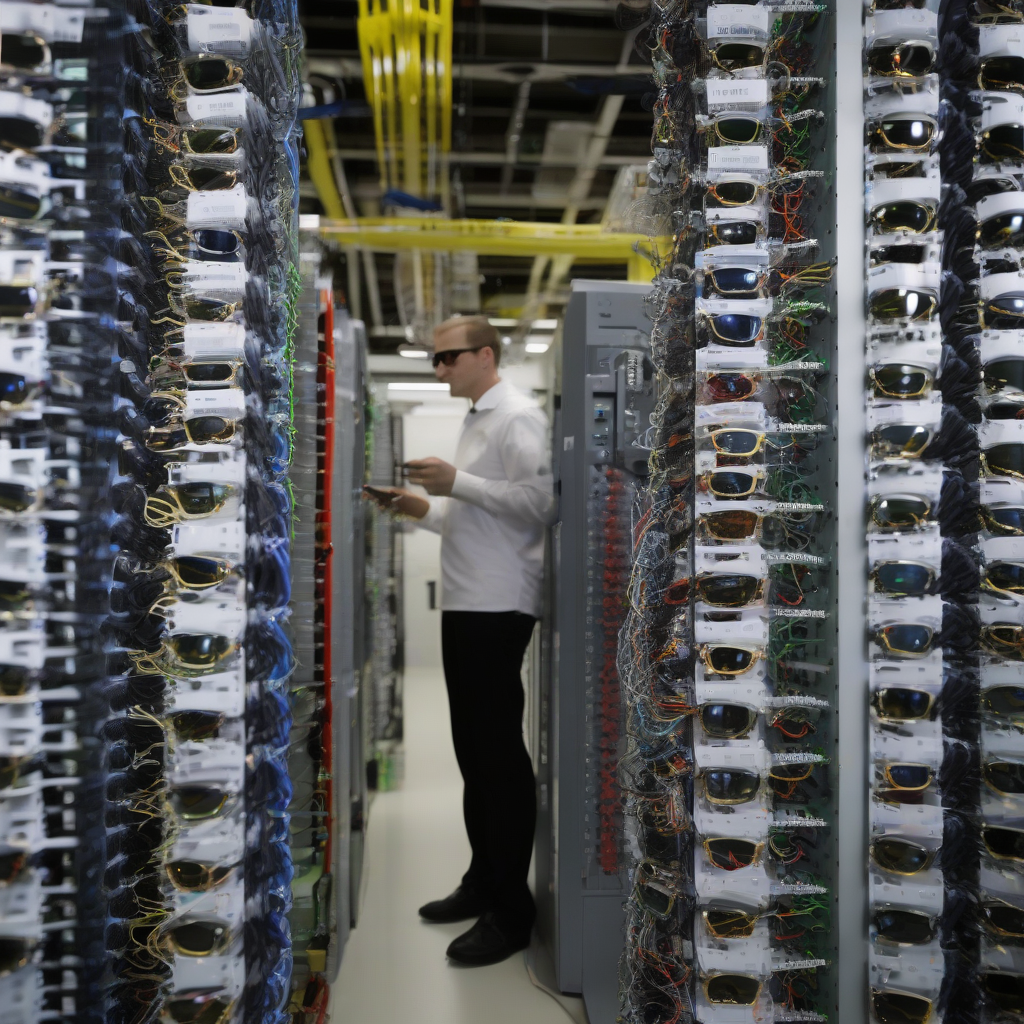

Meta’s venture into wearable hardware has seen a surge in adoption, with the company’s Ray-Ban smartglasses reaching a milestone of more than 7 million pairs sold throughout 2025, according to The Guardian — Tech. This rapid deployment of camera-equipped eyewear has positioned the product as a leader in the consumer tech space, even as it triggers heightened public discourse regarding the ethics of personal recording devices in public environments.
Market Data Summary
| Metric | Figure |
|---|---|
| 2025 Reported Sales | 7,000,000+ pairs |
| Primary Product Type | Smartglasses (Wearables) |
While proponents of the technology argue that the glasses provide significant utility for accessibility and high-quality photography, the widespread use has introduced clear friction points. Critics have voiced concerns over the potential for nonconsensual filming and the broader implications of data collection by a major tech conglomerate. These worries center on the difficulty for bystanders to discern when recording is active, a challenge that remains a focal point for privacy advocates monitorring the evolution of hardware-integrated artificial intelligence.
Regulatory bodies often examine the balance between innovation and public surveillance, especially as wearable technology becomes commonplace. Unlike smartphones, which typically require an active manual hold, smartglasses enable passive, glance-based recording that challenges existing social norms and digital safety expectations. The ongoing tension between Meta's hardware capabilities and individual privacy rights continues to be monitored by industry observers.
Why It Matters
The proliferation of 7 million smartglasses represents a fundamental shift in how biometric and visual data is captured in real-time. Unlike previous iterations of smart eyewear, the mass market adoption observed in 2025 suggests that wearables are transitioning from niche enthusiast gadgets to primary computing peripherals. This transition necessitates an evolution in digital privacy standards and could force legislative bodies to reconsider the boundary between individual convenience and public expectation of privacy. If this growth trajectory persists, the industry must develop better visual indicators for recording status to maintain public trust.
Reader Discussion & Insights