
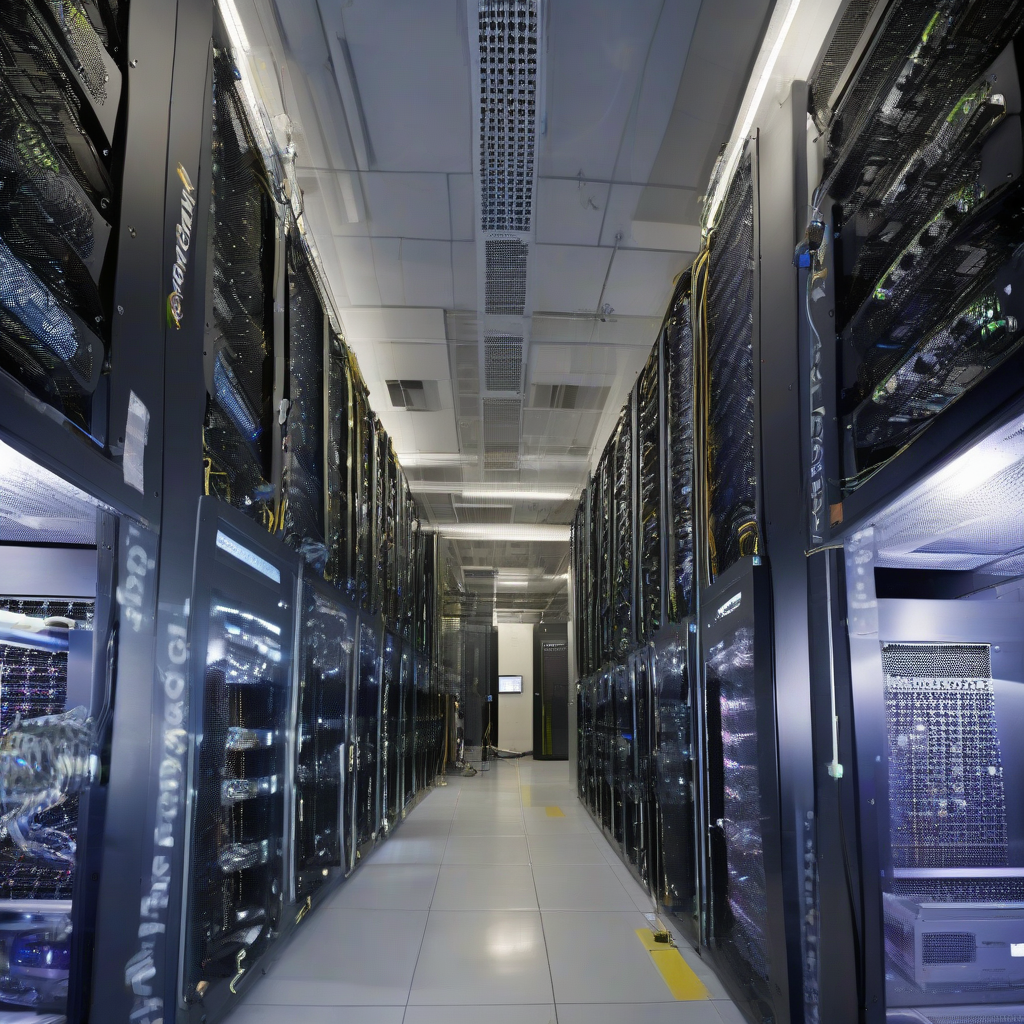
Microsoft has officially expanded its cloud infrastructure footprint in India by commissioning a new data center in Hyderabad. According to Microsoft News, this addition marks the fourth cloud region established by the company within the country, strengthening its capacity to serve local enterprises and public sector entities.
Infrastructure Growth in India
The move aligns with the company's long-term strategy to decentralize its cloud operations and reduce latency for users across the subcontinent. By integrating this new facility into its global network, the corporation aims to support the increasing demand for high-performance computing, data residency requirements, and digital transformation initiatives.
| Facility Metric | Details |
|---|---|
| New Location | Hyderabad, India |
| Total India Regions | 4 |
| Primary Function | Cloud Infrastructure Hosting |
Beyond basic hosting capabilities, these data centers are designed to handle large-scale artificial intelligence workloads and complex data analytics. The expansion signifies a sustained commitment to India's digital economy, ensuring that businesses can access cloud services with increased redundancy and localized storage capabilities.
Regulatory and Market Context
Cloud service providers operating in India are increasingly focused on compliance with data localization mandates. The expansion into Hyderabad provides a strategic node for regional data sovereignty, enabling the firm to adhere more effectively to local regulatory frameworks while providing localized performance benefits. The decision to select Hyderabad reflects the region's status as a burgeoning technology hub, benefiting from high-quality utility infrastructure and a skilled workforce.
Why It Matters
This expansion represents a shift toward edge-compute readiness in rapidly developing markets. By increasing the number of active regions to four, the company minimizes the impact of potential network outages in singular locations, providing a more reliable infrastructure for mission-critical applications. As India continues to digitize its financial and government sectors, the physical presence of high-capacity data centers acts as an essential utility for modern economic stability. This infrastructure allows local startups and global enterprises to iterate on digital services without the friction of cross-continental data transfers.
Reader Discussion & Insights