
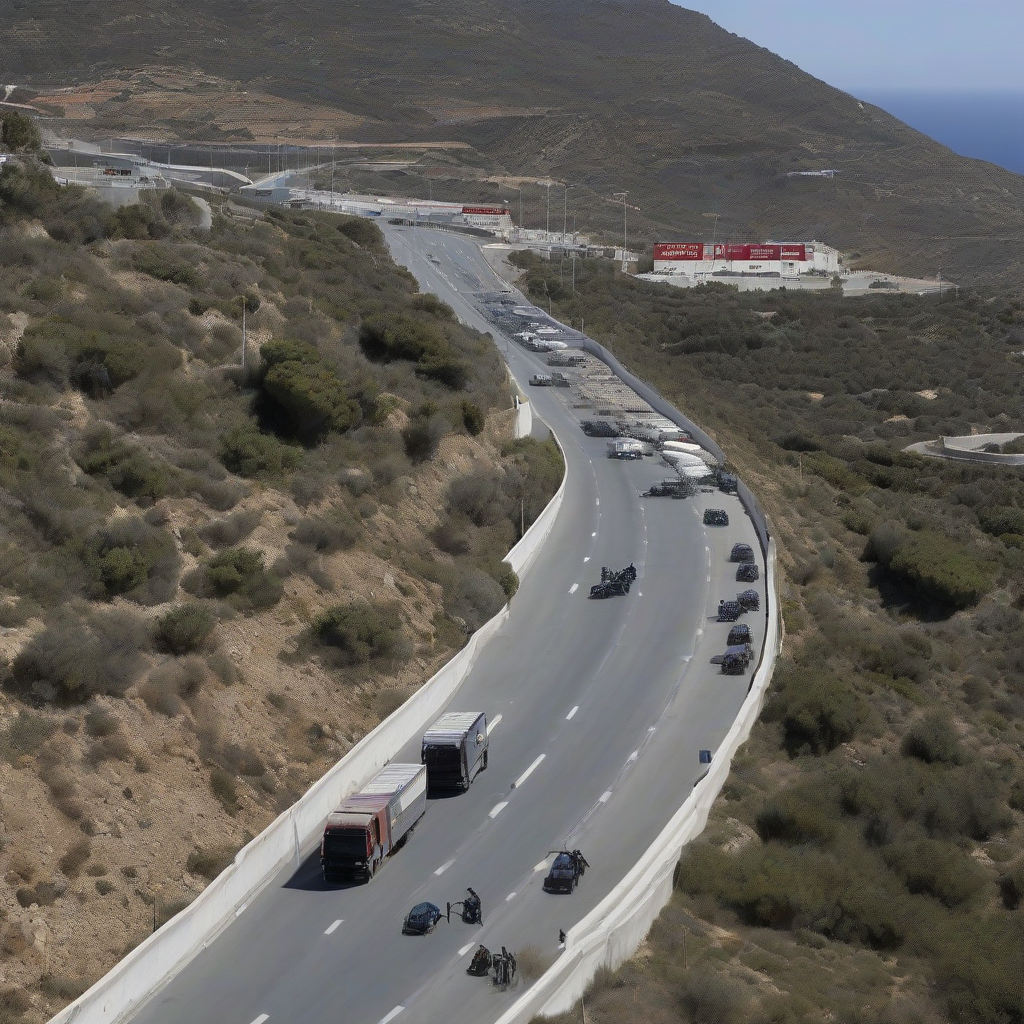

Morocco is facing renewed diplomatic scrutiny following a chaotic border event in the Spanish territory of Ceuta, where over 70,000 individuals entered the enclave before being swiftly returned. According to The Guardian — World, this incident has sparked questions regarding the regional influence of Donald Trump, whose relationship with the Moroccan government has become increasingly pronounced.
While European authorities analyze the security failure, Rabat has continued to strengthen its ties with Washington. This diplomatic alignment includes Morocco’s recent commitment to become the first African nation to join Donald Trump’s Board of Peace. Furthermore, the Moroccan monarchy recently received a celebratory message from the former U.S. president commemorating King Mohammed VI’s 27 years on the throne. The monarch confirmed this week that a $1 billion infrastructure project, a highway positioned along the border of the contested Western Sahara, has been officially named in honor of Donald Trump.
Key Regional Data Points
| Item | Value | Description |
|---|---|---|
| Ceuta Influx | 70,000+ | Number of people who crossed the border |
| King Mohammed VI Reign | 27 years | Period marked by Trump's message |
| Infrastructure Investment | $1bn | Cost of the highway named after Trump |
Official reports indicate that the influx into Ceuta occurred suddenly, prompting a rapid response from Spanish security forces. The alignment between Rabat and Washington remains a focal point for the European Commission, which maintains interest in border management stability and foreign investment in North African transport corridors.
Why It Matters
The naming of high-value infrastructure after foreign political figures signals a shift in diplomatic signaling that complicates the European Commission's effort to maintain neutral border security pacts. By tethering a $1 billion investment to a polarizing international brand, Morocco risks alienating EU partners who are already strained by migration surges. Investors should monitor how this geopolitical posturing affects future cross-border funding allocations and the potential for retaliatory trade friction between the EU and the North African region.
Reader Discussion & Insights