
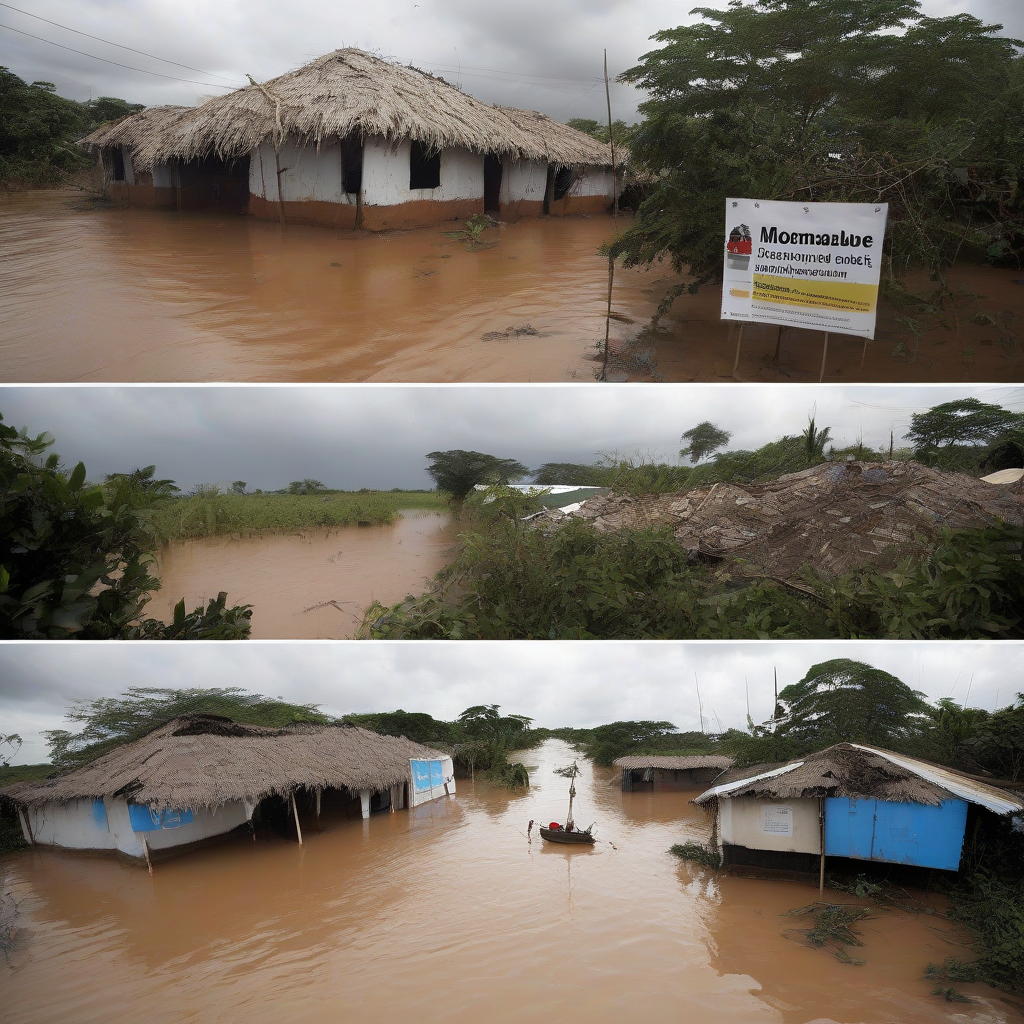

According to Al Jazeera, Mozambique is currently grappling with a severe secondary disaster as the aftermath of recent floods has caused significant food insecurity. The loss of agricultural yields, combined with the severance of key transport supply routes, has placed extreme pressure on families already struggling to access basic nutrition.
Impact on Regional Infrastructure
Recent environmental events have decimated local farming sectors, forcing a reliance on external aid and complicating domestic distribution channels. While specific total damage figures are still being assessed by local authorities, the disruption of supply chains has immediate economic and humanitarian implications.
| Factor | Status |
|---|---|
| Primary Cause | Severe Flooding |
| Secondary Crisis | Food Insecurity |
| Infrastructure Status | Supply Routes Disrupted |
| Agricultural Impact | Harvest Loss |
Regional agencies are currently coordinating with the European Commission and other international stakeholders to mitigate the deficit in food supplies. The cessation of local crop cycles means that the standard replenishment of food stocks is delayed, creating a prolonged period of vulnerability for rural households.
Why It Matters
The destabilization of Mozambique’s food supply chain presents a challenge to regional logistics networks and trade stability. When agricultural output fails, it forces a shift in government expenditure, prioritizing emergency imports over long-term infrastructure investment. This event highlights the volatility of regional supply chains dependent on weather-sensitive transport nodes. International observers are monitoring how this crisis will affect the broader Southern African economic trajectory, particularly regarding import-export balance and food price index volatility in the upcoming quarters.
Reader Discussion & Insights