
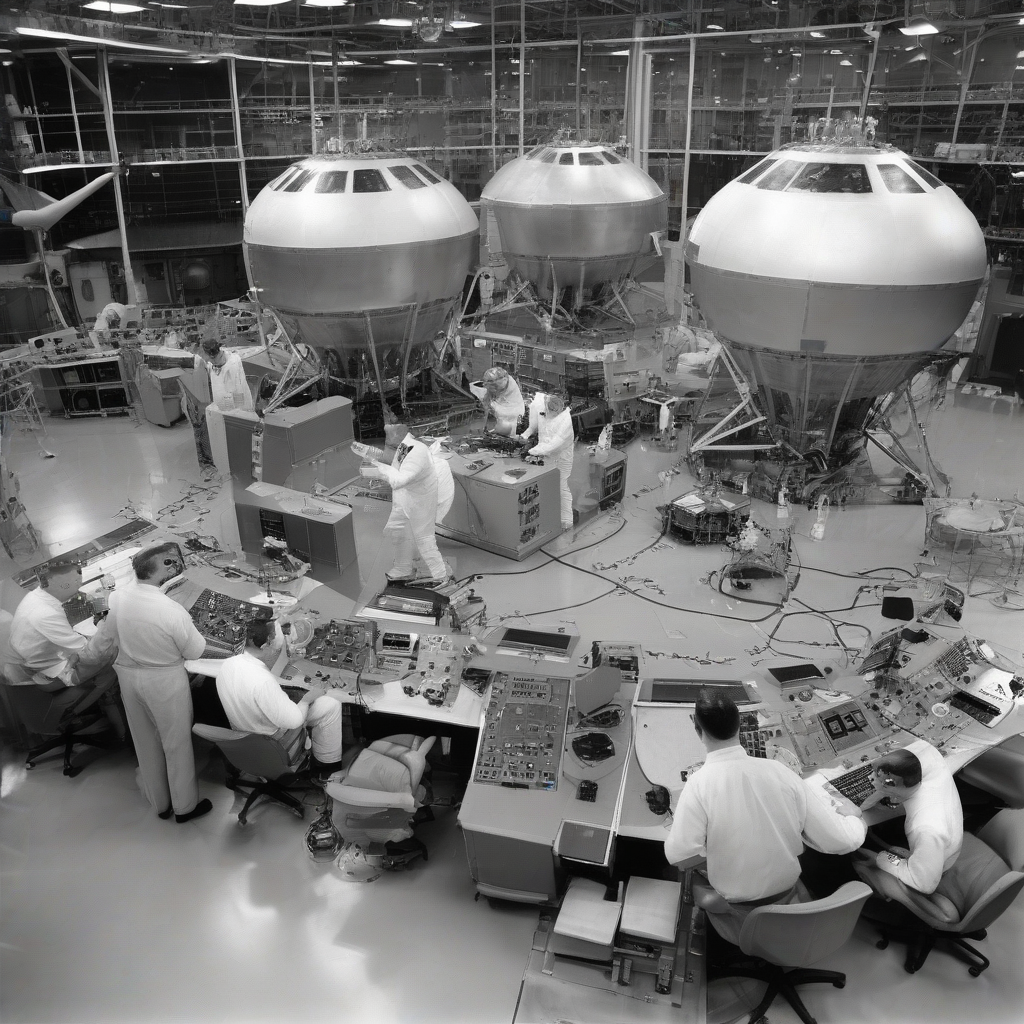

On July 20, NASA marked the 50th anniversary of the Viking 1 touchdown on the Martian surface, a landmark event in the history of robotic spaceflight. According to SpaceNews, the mission serves as a critical historical case study for contemporary agencies and private enterprises currently planning future human and robotic exploration of the Red Planet.
The Viking 1 spacecraft stands as one of the most significant technological achievements in NASA’s operational history. As the first successful mission to land a craft on Mars and perform long-term scientific experiments, it set the structural and procedural requirements for all subsequent Mars surface missions. The success of the 1970s program provided the foundational data required to transition from basic flybys to complex, surface-level geological and biological research.
Mission Specifications
| Feature | Details |
|---|---|
| Spacecraft Name | Viking 1 |
| Landing Date | July 20, 1974 |
| Milestone | 50th Anniversary |
| Mission Type | Robotic Lander |
Researchers looking back at the mission indicate that the engineering constraints faced by the Viking team in the 1970s remain relevant. While modern computing power and autonomous navigation have advanced significantly, the atmospheric entry, descent, and landing (EDL) challenges encountered by Viking 1 continue to influence how NASA and other international entities design hardware for current and future Martian surface operations.
Why It Matters
The 50-year legacy of Viking 1 highlights a shift from exploratory demonstration to sustained presence in space. By reviewing the methodology of the 1970s, modern aerospace engineers can identify risks related to hardware longevity and data transmission latency that are often overlooked in the rush to adopt newer, unproven technologies. This retrospective look serves as a reminder that robust, mission-critical systems are the bedrock of planetary science, ensuring that current budgets for Mars exploration are directed toward technologies that prioritize operational reliability over mere technological novelty.
Reader Discussion & Insights