
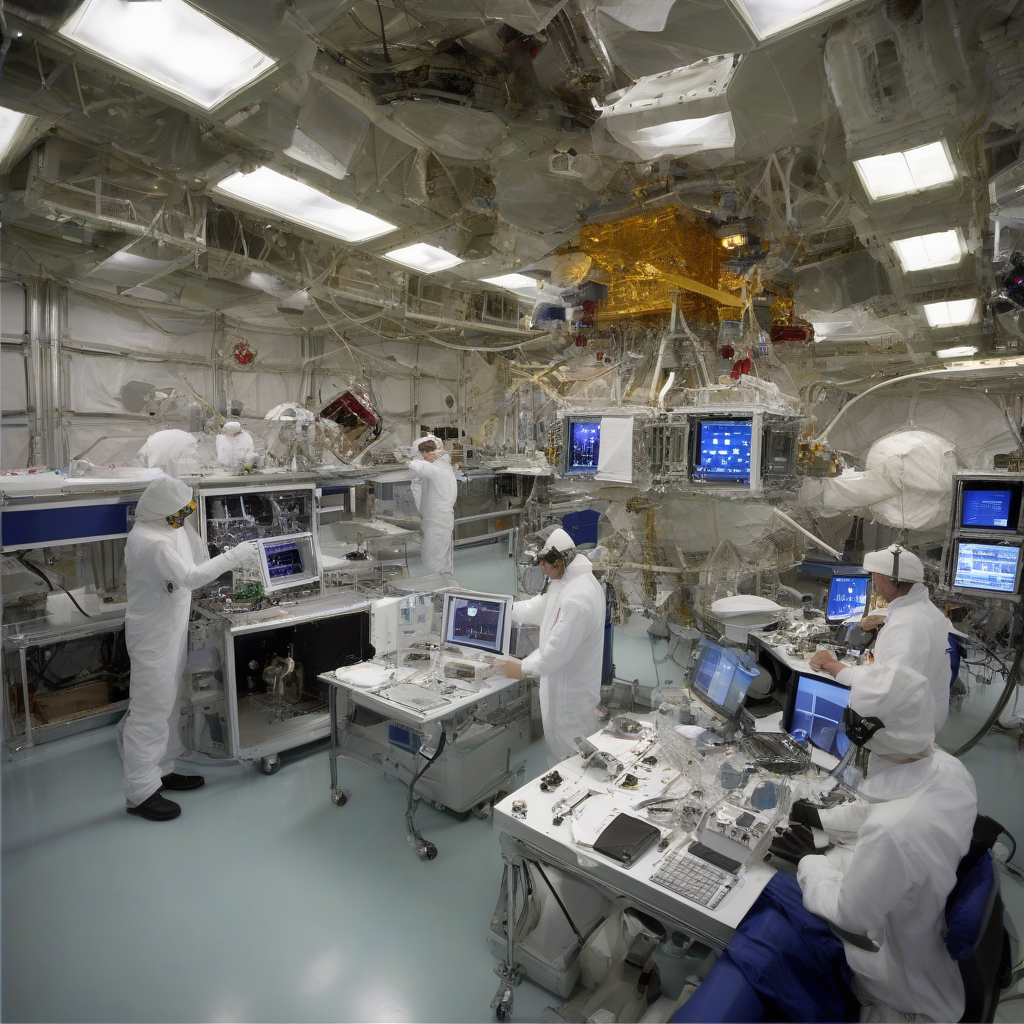
Automated hardware is increasingly managing scientific research tasks on the International Space Station (ISS), allowing for efficient execution of complex investigations while conserving valuable crew time. According to NASA News Releases, Redwire’s ADvanced Space Experiment Processor (ADSEP) systems function as modular mini-laboratories that enable multiple studies to occur simultaneously within a single facility.
Since 2017, ADSEP hardware has facilitated two dozen distinct investigations on the ISS. The units utilize specialized internal cassettes to maintain various environmental requirements for different experiments. The most current iteration, the ADSEP-4, is capable of accommodating four cassettes and includes integrated imaging technology for real-time monitoring. These platforms support a wide range of research, including crystal growth, cell culturing, and materials science.
Key ADSEP and Research Specifications
| Specification/Investigation | Feature/Purpose |
|---|---|
| ADSEP-4 Capacity | 4 Cassettes |
| ADSEP-PIL-02 Goal | Microgravity crystal growth study |
| ADSEP-PIL-10 Objective | Oral cancer medication development |
| ADSEP-PIL-15 Objective | Refine stability of cancer drugs |
| ADSEP-UMAMI (2021) | Microbial interaction study in squid |
Pharmaceutical research is a primary beneficiary of this automated infrastructure. Through the Pharmaceutical In-Space Laboratory (PIL-BOX) system, researchers leverage the microgravity environment to grow larger and higher-quality seed crystals. These crystals assist in the reformulation of existing drugs and the discovery of novel therapeutics. Notably, the ISS National Laboratory has sponsored investigations such as ADSEP-PIL-10, which collaborates with Aspera Biomedicines to crystallize cancer-blocking and cancer-promoting molecules. Furthermore, ADSEP-ICC (Industrial Crystallization Cassette) was recently tested to evaluate the scalability of these processes for commercial industrial applications.
Biological research has also benefited from the ADSEP platform. The 2021 ADSEP-UMAMI investigation explored how bobtail squid interact with beneficial microbes in orbit. Results indicated that these symbiotic interactions could mitigate stress responses and accelerate biological developmental pathways in spaceflight environments.
Why It Matters
The integration of modular, automated laboratory hardware like the ADSEP represents a critical shift toward the industrialization of Low Earth Orbit (LEO). By reducing the human-labor requirement for routine, repetitive scientific tasks, space agencies and commercial partners can achieve higher throughput for pharmaceutical and materials science research. This transition from manual, astronaut-led operations to automated, cassette-based systems lowers the barrier to entry for private entities seeking to utilize space for proprietary manufacturing, ultimately fostering a more sustainable economic ecosystem in space that focuses on tangible Earth-bound pharmaceutical benefits.
Reader Discussion & Insights