
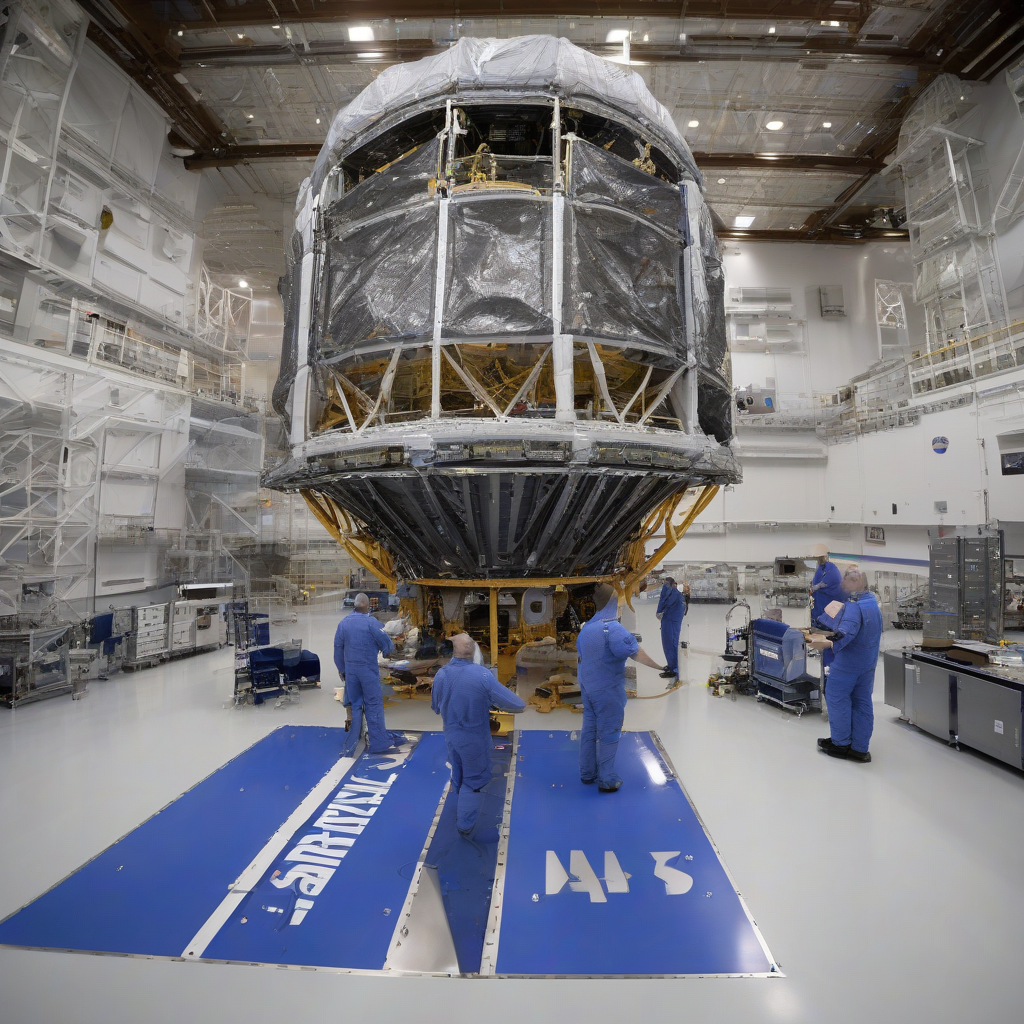
Technicians successfully integrated the Orion crew and service modules on July 30, 2026, marking a significant step in the assembly of the spacecraft for the Artemis III mission, according to NASA News Releases. The integration took place within the Neil Armstrong Operations and Checkout Building at Kennedy Space Center in Florida.
The mated spacecraft consists of two distinct components designed for different phases of the mission. The crew module is engineered to sustain a four-person astronaut team, including NASA astronauts Randy Bresnik, Andre Douglas, and Frank Rubio, alongside ESA (European Space Agency) astronaut Luca Parmitano. Meanwhile, the service module serves as the primary propulsion and power source for the vehicle throughout its journey to the lunar vicinity.
Artemis III Hardware Configuration
| Component | Primary Function | Crew Capacity |
|---|---|---|
| Crew Module | Life support, reentry, and habitation | 4 Astronauts |
| Service Module | Propulsion, power, and consumables | N/A |
This structural assembly is intended to support critical mission objectives, specifically the evaluation of rendezvous and docking procedures. The mission will utilize test versions—referred to as test articles—of commercial human landing systems currently being developed by Blue Origin and SpaceX. These maneuvers are essential to validating the operational safety of deep-space docking before full-scale human landing operations occur.
Why It Matters
The physical connection of the Orion modules signals a shift from component-level development to integrated vehicle testing. By incorporating commercial landing systems from multiple providers such as Blue Origin and SpaceX, NASA is fostering a competitive lunar infrastructure market. This strategy reduces dependency on a single architecture and promotes redundant capabilities for lunar transport. The inclusion of an ESA astronaut underscores the international cooperative nature of the Artemis program, which aims to establish a permanent human presence in cislunar space and eventually facilitate missions to Mars.
Reader Discussion & Insights