LIVEยท
SkylineWire Logo

SkylineWire

Global News & Market Intelligence ยท Verified from Official Dispatches

Editions:
Home
LIVEMARKETS:
S&P 500 5,640.20 (+0.45% โ–ฒ)|NASDAQ 17,855.10 (+0.62% โ–ฒ)|BRENT CRUDE $82.40 (-0.85% โ–ผ)|SAF FUEL $2,140/t (+1.2% โ–ฒ)
BreakingDeveloping Storyโœ“ Verified Reporting
NASAยท ๐ŸŒ Global

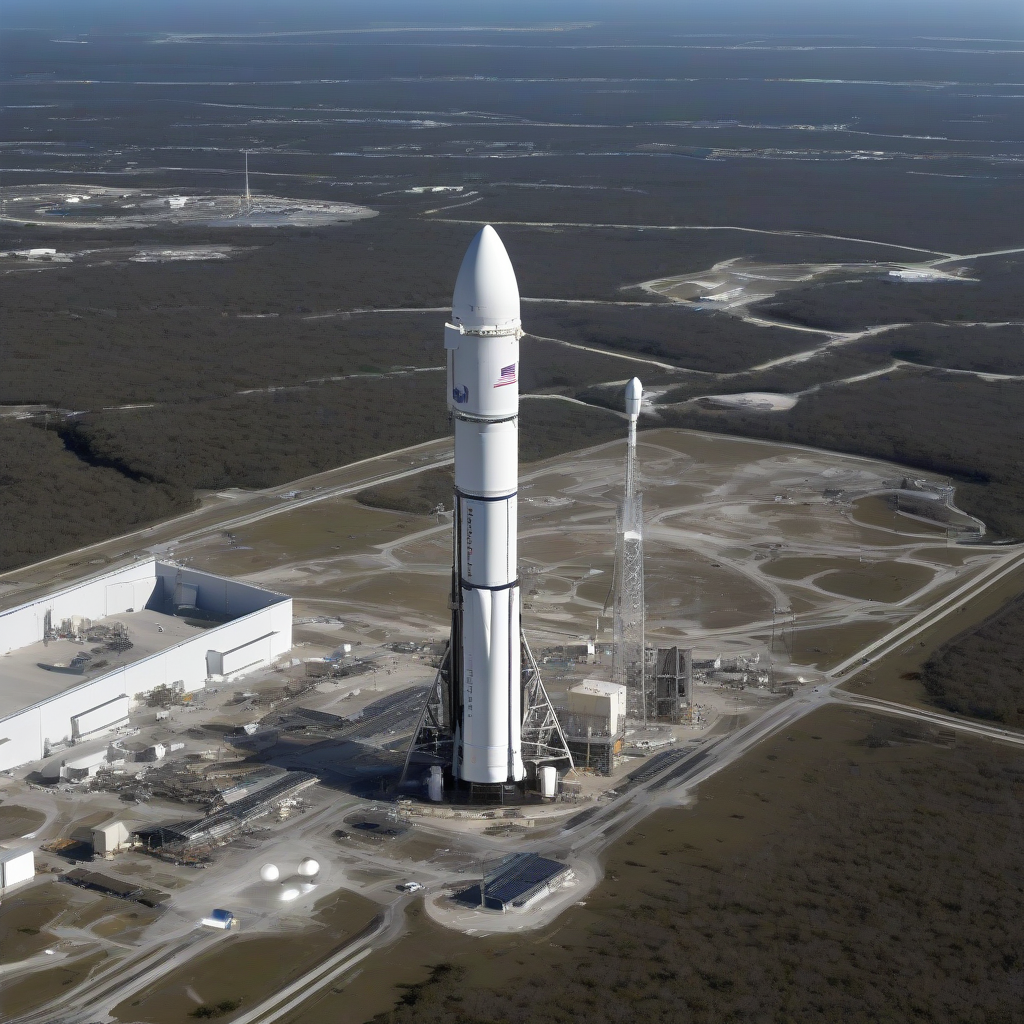
NASA and SpaceX Track Falcon 9 Rocket Stage Impacting Lunar Surface

A SpaceX Falcon 9 upper stage is set to impact the Moon on August 5, providing NASA with a unique opportunity to gather scientific data on lunar crater formation.

By Skyline Wire Newsroom ยท Published Source: NASA News Releases ยท Verified Reporting

Key Story Metrics & Context

Industry Sector:Space
Companies Impacted:NASA, SpaceX, Firefly Aerospace
Geographic Scale:USA ๐Ÿ‡บ๐Ÿ‡ธ, South Korea ๐Ÿ‡ฐ๐Ÿ‡ท
Reporting Status:โœ“ Multi-Source Verified
NASA and SpaceX Track Falcon 9 Rocket Stage Impacting Lunar Surface

Executive Brief & Verified Analysis

โœ“ OFFICIAL SOURCES REVIEWED

Executive Summary

A SpaceX Falcon 9 upper stage is set to impact the Moon on August 5, providing NASA with a unique opportunity to gather scientific data on lunar crater formation.

Why This Matters

Key strategic implication: A Falcon 9 upper stage will impact the Moon on Wednesday, Aug. 5.

Market Impact

Verified for NASA, SpaceX, Firefly Aerospace. Primary market adjustment vector.

Source Verification

Cross-referenced across regulatory dispatches, official press releases, and verified wire filings.

Strategic Implications

  • โœ“A Falcon 9 upper stage will impact the Moon on Wednesday, Aug. 5.
  • โœ“The collision will form a crater 60 feet wide and 12 feet deep.
  • โœ“NASA confirmed a 100% chance of impact near the Einstein and Bell craters.
  • โœ“Data will be collected by the Lunar Reconnaissance Orbiter and ShadowCam.

According to NASA News Releases, space agency officials and SpaceX are monitoring the trajectory of a spent Falcon 9 upper stage as it prepares for an unplanned impact on the lunar surface. The collision is expected to occur on Wednesday, Aug. 5, near the Einstein and Bell craters. NASAโ€™s Center for Near Earth Object Studies at the Jet Propulsion Laboratory has confirmed there is a 100% chance of the stage striking the Moon, noting that the event poses no threat to Earth.

The object in question originates from a Jan. 15, 2025, launch mission that successfully deployed Firefly Aerospaceโ€™s Blue Ghost 1 lunar lander under the NASA CLPS initiative. Due to a combination of gravitational forces and solar activity, the hardware returned toward the Moon. While human-made impacts are infrequent, the Moon is struck by meteoroids of similar energy levels roughly every six days. Scientists anticipate the rocket stage will create a crater measuring 60 feet wide and 12 feet deep.

Impact Data and Observations

AttributeSpecification
Impact DateWednesday, Aug. 5
Crater Width60 feet
Crater Depth12 feet
Impact Probability100%
Primary MissionBlue Ghost 1 (CLPS)

NASAโ€™s Meteoroid Environments Office at the Marshall Space Flight Center intends to capture imagery using ground-based telescopes, though success will depend on environmental conditions. Furthermore, the Lunar Reconnaissance Orbiter and the ShadowCam instrument on South Koreaโ€™s Korea Pathfinder Lunar Orbiter are positioned to attempt pre- and post-impact imaging. Final image availability remains contingent on orbital synchronization and lighting.

Why It Matters

The ability to track and analyze the collision of a known artificial object provides a rare, controlled study of lunar surface dynamics. Unlike natural meteoroid impacts, the physical properties of the Falcon 9 stage are well-documented, allowing researchers to refine predictive models for ejecta plume behavior. As the commercial space industry intensifies lunar operations, understanding the long-term environmental consequences of debris management becomes essential. This event serves as a practical test for orbital tracking techniques and highlights the necessity of robust data-sharing protocols between commercial launch providers and regulatory oversight bodies like NASA to ensure sustainable long-term space utilization.

Deployment Roadmap & Timeline

2025-01-15

SpaceX launches Falcon 9 to deploy the Blue Ghost 1 lander.

2025-08-05

Expected impact of the Falcon 9 upper stage on the Moon.

Expected Next Steps

  • 1Ground-based telescope imaging attempts during the impact event.
  • 2Collection of pre- and post-impact imagery from the Lunar Reconnaissance Orbiter.
  • 3Analysis of ejecta plume behavior to refine lunar geology models.
  • 4Review of tracking and disposal protocols for future commercial lunar missions.

Frequently Asked Questions

No, NASA has confirmed that the impact poses no danger to Earth.

The rocket stage is expected to produce a crater approximately 60 feet wide and 12 feet deep.

The impact will not be visible to the naked eye, though NASA will attempt to image the event using telescopes.

Source Transparency & Verified Dispatches

โœ“ Verified Primary Data
โœ“
NASA News Releases๐Ÿ’ผ Corporate Dispatch
Source โ†—
โœ“
Jet Propulsion Laboratory๐Ÿ’ผ Corporate Dispatch
Source โ†—

Reader Discussion & Insights

Leave a Comment

Loading discussion thread...

Get Breaking Global Intel in Your Inbox

Subscribe to the Skyline Wire AI Daily Briefing. Direct insights across Aviation, Tech, EVs, and Markets.

Original announcement link: NASA News Releases

spacexlunarnasafalcon9spacecraft
spacex lunar impactfalcon 9 moon impactnasa cpls initiativelunar crater researchfirefly aerospace blue ghost 1space debris trackinglunar surface geology