
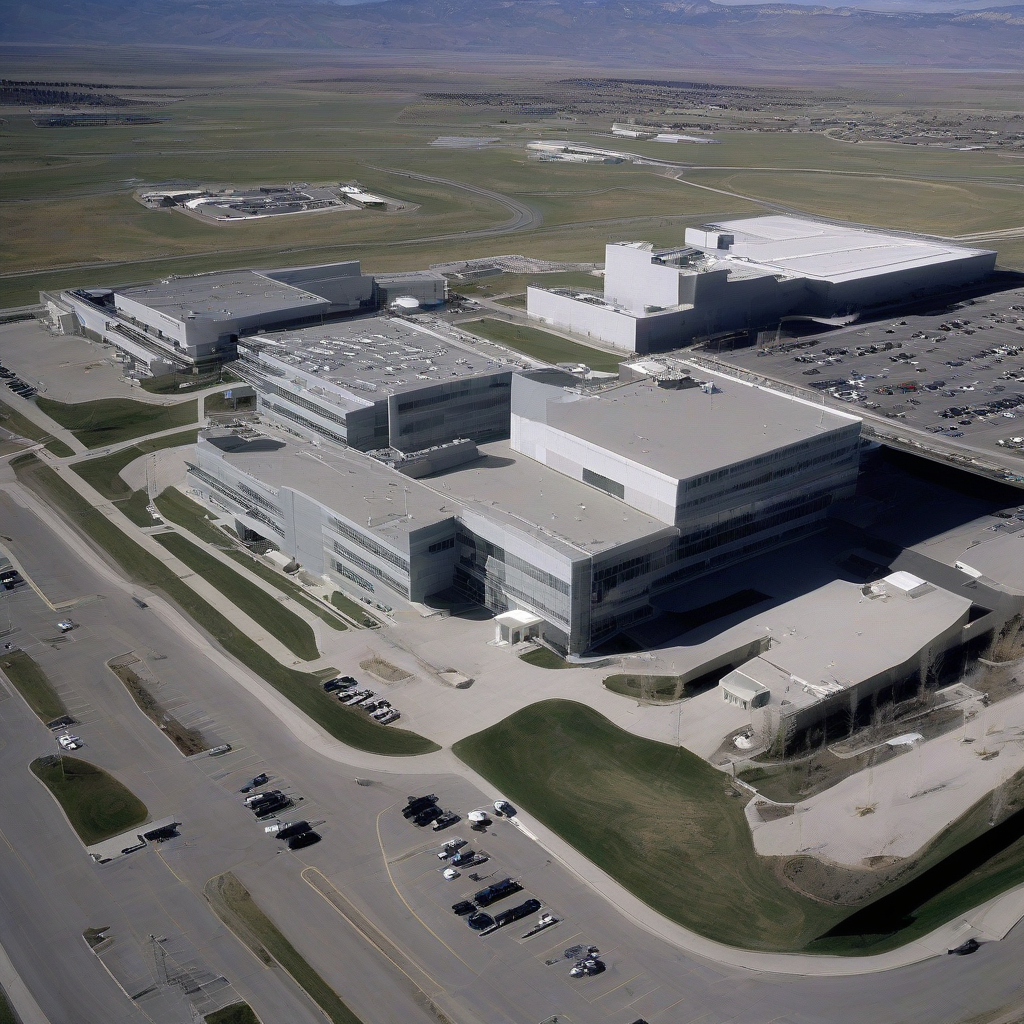
Researchers at the National Laboratory of the Rockies are employing nuclear magnetic resonance (NMR) techniques to verify the structural integrity of advanced materials, according to CleanTechnica. The facility, led by Bennett Addison, focuses on confirming that experimental inventions match their intended chemical profiles, a process essential for the development of high-performance batteries, next-generation semiconductors, and sustainable bioplastics.
Technical Material Verification
The laboratory’s application of NMR technology addresses the high-stakes requirements of modern material science. By analyzing the spin of atoms within a sample, the team can identify specific molecular configurations that traditional testing methods might miss. This analytical precision is particularly vital for sectors where atomic-level defects can lead to product failure or inefficiency.
| Application Field | Primary Objective |
|---|---|
| Battery Technology | Energy density and ion transport verification |
| Semiconductors | Atomic structure and defect identification |
| Bioplastics | Molecular composition and degradation testing |
Addison’s work often involves scrutinizing incoming inventions to ensure that they behave as the researchers originally designed. This verification step serves as a filter to ensure that innovations entering the commercial pipeline meet rigorous standards before proceeding to large-scale production.
Why It Matters
The ability to confirm atomic-level design at scale is a significant hurdle for the energy transition. As manufacturers move toward lithium-metal batteries and carbon-neutral plastics, the tolerance for material inconsistency shrinks. The National Laboratory of the Rockies is positioning itself to be a clearinghouse for quality control. By hardening the verification phase of the research and development lifecycle, these atomic diagnostic tools could shorten the time-to-market for clean energy hardware, ensuring that laboratory breakthroughs successfully transition into stable, high-output industrial components.
Reader Discussion & Insights