
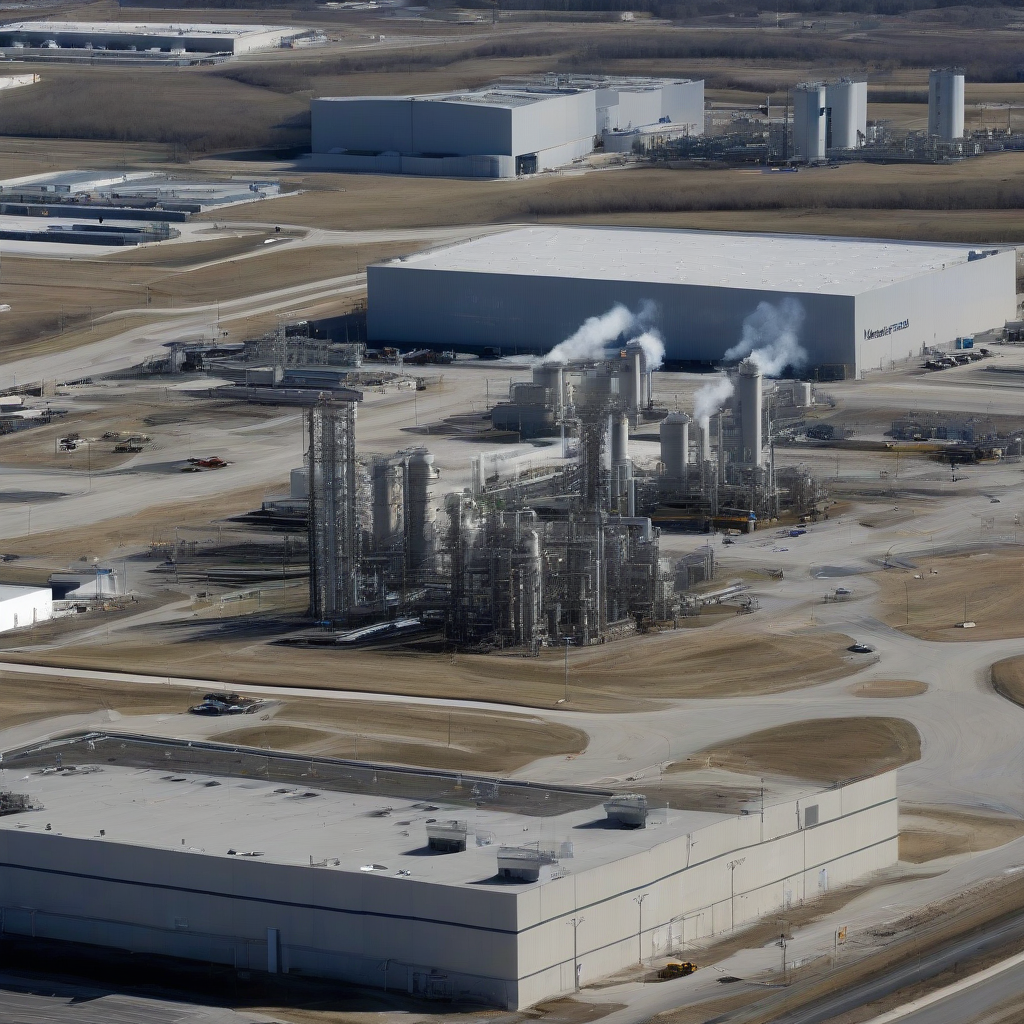

Natural gas futures experienced a downward trend as recent data indicated an increase in storage levels, pointing toward a looser supply situation across the market, according to the Energy Information Administration (EIA). The shift in pricing reflects an easing of supply constraints that had previously supported higher valuation levels for the commodity.
Market Dynamics and Supply Levels
Market observers have been closely tracking storage reports to gauge the balance between production output and consumption demand. The current data from the EIA confirms that inventory builds continue to outpace historical averages, creating a buffer that keeps downward pressure on prices. While weather patterns and industrial activity typically drive volatility in this sector, the sheer volume of gas currently held in storage facilities serves as a primary driver for the recent pricing contraction.
| Indicator | Status | Market Effect |
|---|---|---|
| Natural Gas Futures | Declined | Bearish Pressure |
| Storage Levels | Increased | Supply Surplus |
| Market Sentiment | Loose | Pricing Contraction |
Regulatory Context
The EIA serves as the primary statistical arm of the U.S. Department of Energy, providing impartial data regarding energy production, stocks, and consumption. Its reporting is relied upon by traders, policy makers, and corporate planners to determine the health of the national energy grid and the viability of energy exports.
Why It Matters
The transition toward a looser natural gas supply environment has significant downstream effects on electricity generation and heavy industry. As storage levels remain healthy, the reduced price volatility allows utility companies to lock in lower operational costs, which may eventually benefit consumer energy bills. However, persistent surpluses can also act as a disincentive for upstream investment in drilling and extraction technologies. Maintaining a balanced supply chain is essential for preventing the sharp price spikes often associated with rapid inventory depletion during peak winter months or extreme heat cycles.
Reader Discussion & Insights