
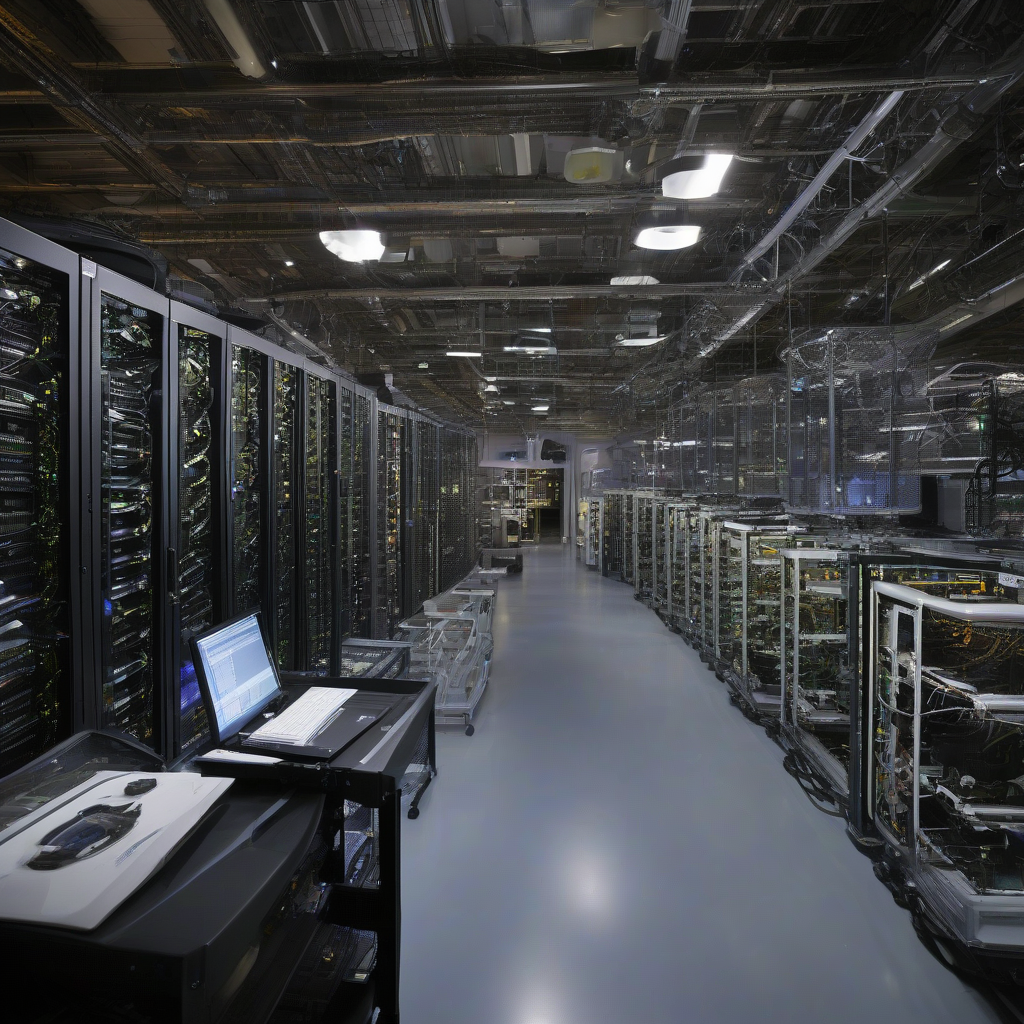

The Natural History Museum has initiated a strategic collaboration with Amazon Web Services (AWS) to advance the scientific capabilities of ecosystem monitoring. According to Amazon Tech, this partnership aims to integrate sophisticated cloud computing infrastructure with the museum's extensive environmental data sets to enhance biodiversity research and sustainability reporting.
By leveraging AWS cloud services, the Natural History Museum intends to scale its data processing operations, allowing researchers to analyze vast amounts of environmental information with greater efficiency. This technical integration focuses on providing the necessary computational power to manage complex ecological models that track species distribution and habitat shifts.
Technical Implementation Summary
| Feature | Service Provider | Primary Objective |
|---|---|---|
| Data Processing | AWS | Ecosystem Monitoring |
| Research Storage | AWS | Biodiversity Data Scaling |
| Analytics | AWS | Environmental Reporting |
Official documentation from AWS confirms that the platform provides the security and high-performance computing architecture required for the museum to host digital archives. This infrastructure serves as a core component for modernizing how the museum approaches large-scale conservation monitoring projects. The initiative aligns with global environmental scientific standards and institutional goals to utilize digital transformation for the public good.
Why It Matters
The integration of high-performance cloud computing into institutional scientific research signals a move away from legacy local storage models toward centralized, scalable intelligence. For the technology sector, this highlights the growing demand for cloud-based environmental data platforms. By automating the analysis of ecosystem datasets, institutions can accelerate the turnaround time for conservation policy recommendations. This demonstrates how cloud providers are becoming essential utility companies for non-profit and scientific sectors, moving beyond commercial enterprise applications into global sustainability and climate research infrastructure.
Reader Discussion & Insights