
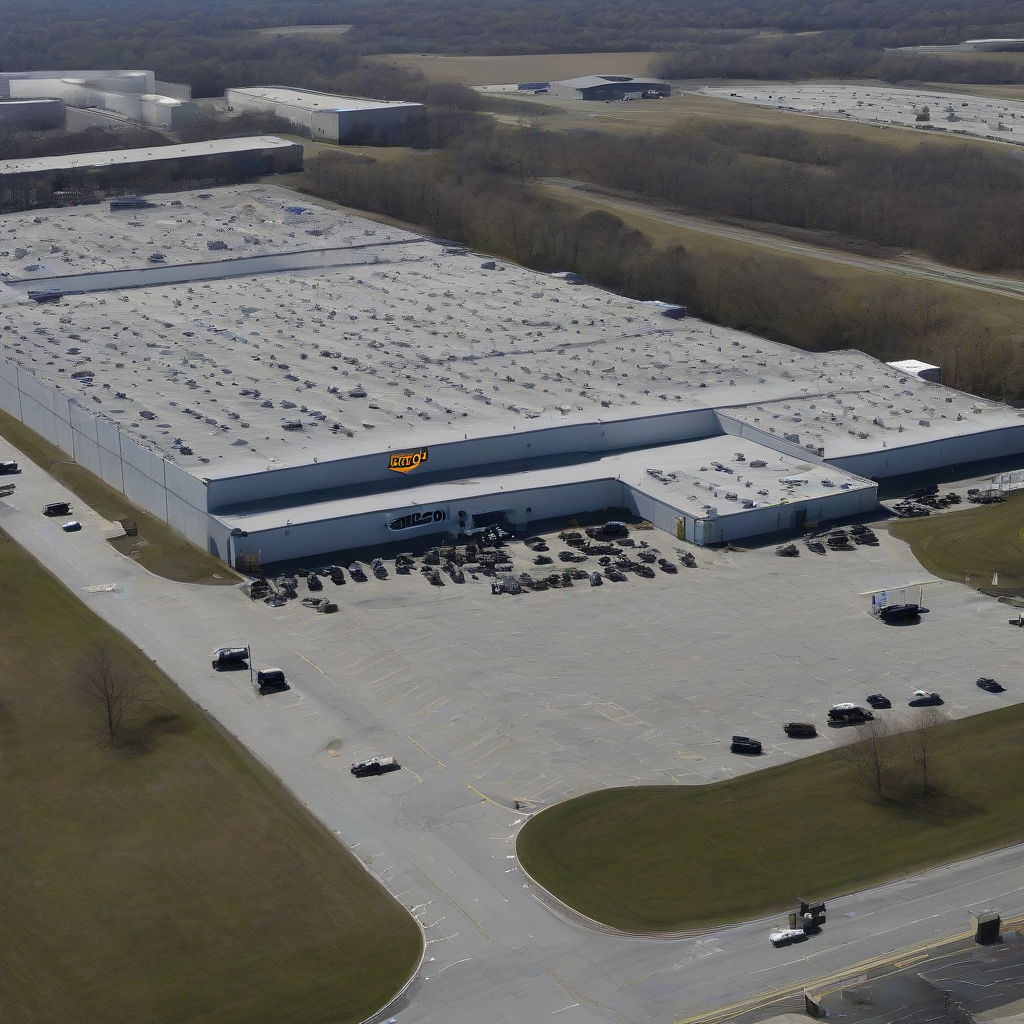
The State of New Jersey has formally initiated legal proceedings against Amazon Logistics, alleging that the firm intentionally restricted employees to lower-paying job classifications. According to Amazon Logistics, the company maintains that its internal systems are designed to match demand with labor, though state prosecutors contend these practices violate employment standards.
The lawsuit centers on claims that workers were improperly categorized or restricted in a manner that limited their earning potential compared to higher-tier roles within the company’s supply chain. While the specifics of the financial disparity are currently being examined in court filings, the state is seeking to hold the organization accountable for its labor management practices.
Labor Classification Details
| Feature | Details |
|---|---|
| Respondent | Amazon Logistics |
| Jurisdiction | New Jersey |
| Primary Allegation | Misclassification and wage suppression |
| Legal Status | Pending Litigation |
Legal authorities in New Jersey have characterized this as a landmark case that could redefine how large-scale logistics providers handle driver employment status and compensation structures. The suit alleges that the firm utilized specific internal protocols to trap staff in less lucrative roles, hindering their ability to advance to positions with higher pay grades. According to Amazon Logistics, they continue to review the allegations presented by state officials.
Why It Matters
This litigation serves as a bellwether for the broader logistics and gig-economy sectors. As major retailers increasingly rely on dense, data-driven networks to manage last-mile delivery, the regulatory scrutiny regarding labor classification is intensifying. If the state prevails, it could force a fundamental re-evaluation of how automated systems distribute labor and assign pay scales. This outcome would likely compel other logistics giants to audit their internal algorithms for potential biases or restrictive practices that unintentionally disadvantage workers, potentially shifting operational costs across the retail supply chain.
Reader Discussion & Insights