
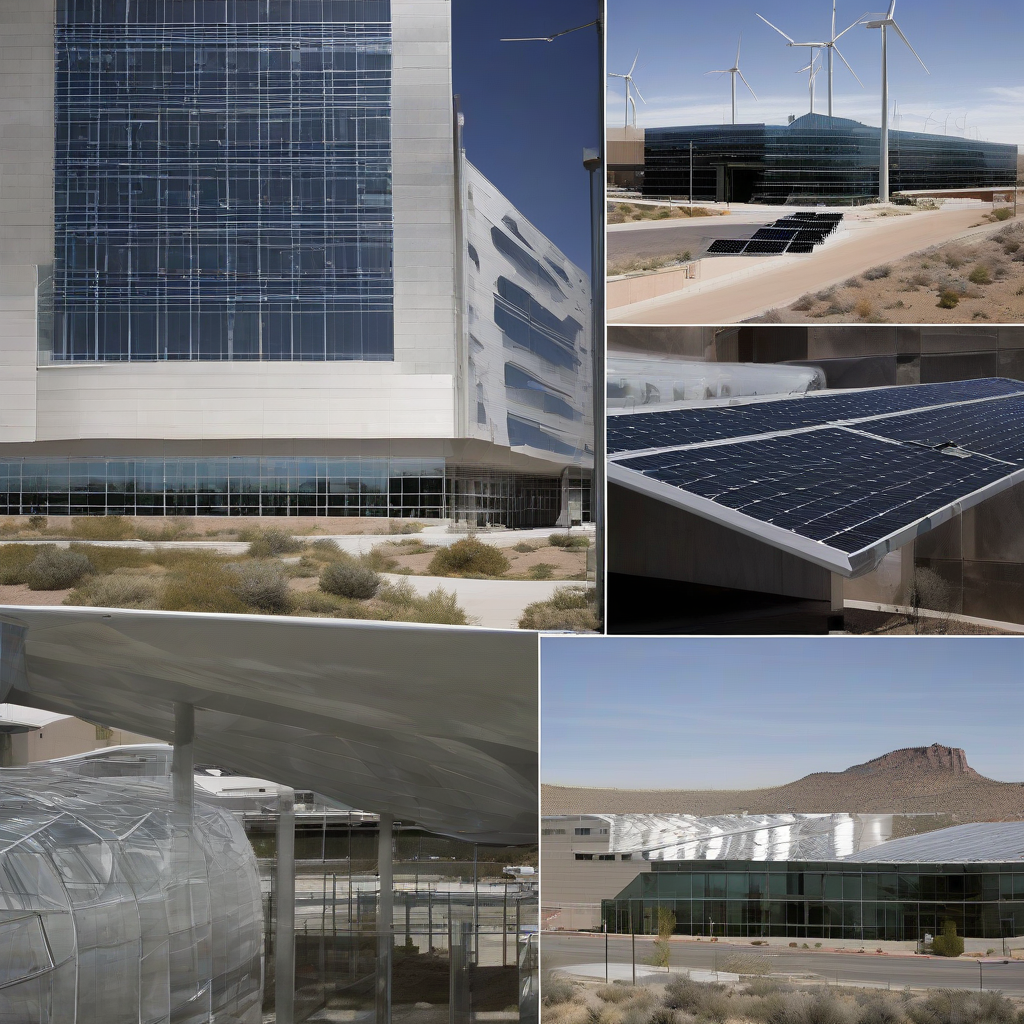
New Mexico is currently experiencing a period of significant growth in the renewable power sector, with several projects moving toward completion and integration. According to Renewable Energy, the state has positioned itself as a notable participant in the transition to non-fossil fuel power generation, focusing on both solar and wind resources to bolster the local grid.
The expansion of these clean energy initiatives aligns with broader regional objectives to diversify power supply and reduce dependence on conventional utility sources. While specific capacity metrics and facility completion dates remain fluid, the ongoing development highlights a concerted effort to scale infrastructure. Data indicates that current projects are being calibrated to meet existing state mandates for portfolio standards.
Current Project Overview
| Feature | Status/Metric |
|---|---|
| Primary Focus | Renewable Energy |
| Regional Leader | New Mexico |
| Grid Integration | Ongoing |
| Regulatory Alignment | State Mandates |
Efforts to modernize the electrical architecture in New Mexico rely on rigorous oversight from state utility regulators and compliance with federal energy guidelines. The integration of intermittent renewable sources requires ongoing investment in transmission capacity to ensure that power generated in remote, resource-rich areas can reach high-demand urban centers efficiently.
Why It Matters
New Mexico's progress reflects a shift in regional power economics, moving away from legacy extraction industries toward a tech-forward utility model. By investing in scalable renewable infrastructure, the state is effectively shielding its taxpayers from the volatility of global fossil fuel markets. Furthermore, this transition creates long-term structural resilience for the regional economy. As grid technology improves, the ability to store and distribute solar and wind power will become a defining factor in regional industrial competitiveness, potentially attracting high-energy-demand manufacturing firms to the area.
As the state continues to refine its energy policies, stakeholders anticipate that the pace of implementation will accelerate. Future developments will depend heavily on the availability of transmission corridors and the successful negotiation of power purchase agreements between developers and local utility providers.
Reader Discussion & Insights