
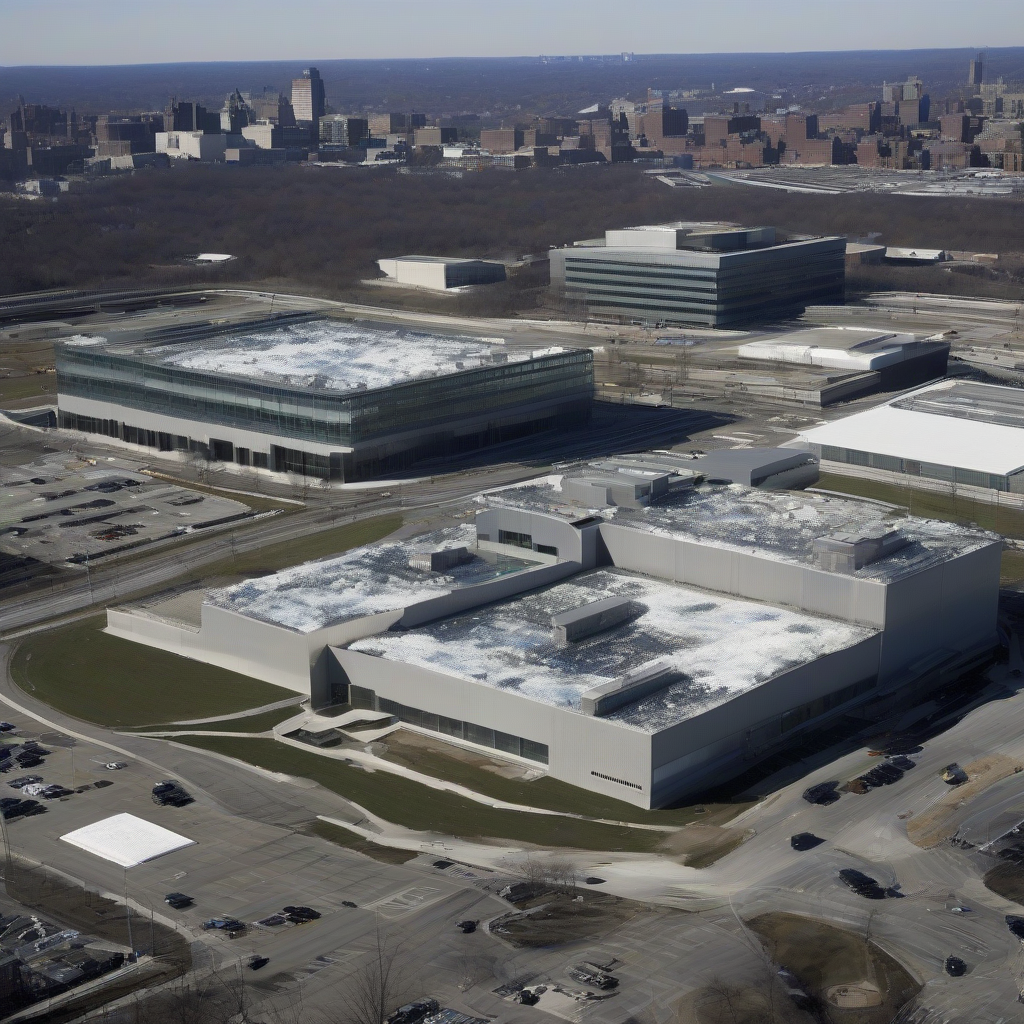
Research conducted by Columbia University's Lamont-Doherty Earth Observatory suggests that current metrics used to track methane leaks from waste management sites may be significantly inaccurate. According to Phys.org, the findings stem from a uniquely long-term evaluation of emissions at a New Jersey landfill, indicating that the volume of greenhouse gases released is likely far higher than previously documented national estimates.
Methane is categorized as a potent greenhouse gas, possessing a warming potential that exceeds that of carbon dioxide on a unit-for-unit basis. By utilizing continuous ground-based measurement technologies, the research team at the Columbia Climate School established that established inventory models underrepresent the scale of atmospheric leakage occurring at the facility. This discrepancy suggests that existing frameworks for calculating U.S. greenhouse gas contributions from landfills require rigorous re-evaluation.
While the study focused on a specific site in New Jersey, the implications are national in scope. Regulatory bodies rely on these estimates to draft environmental policy and meet climate targets. If the findings at this single location are representative of national trends, the total methane footprint from the waste sector could be substantially larger than current Environmental Protection Agency (EPA) inventories account for.
Why It Matters
The reliability of greenhouse gas inventories is essential for global climate tracking and carbon credit markets. If current data undercounts landfill emissions, both government agencies and private waste management firms face a credibility gap in their sustainability reporting. This data anomaly could lead to accelerated regulatory scrutiny, potential changes to landfill cover requirements, and a shift in how municipalities prioritize waste-to-energy projects. Accurate detection is essential for creating effective mitigation strategies that move beyond theoretical models toward verified ground-truth data.
| Metric | Finding Basis |
|---|---|
| Study Origin | Lamont-Doherty Earth Observatory |
| Measurement Method | Continuous ground-based |
| Greenhouse Gas | Methane (CH4) |
| Primary Concern | Discrepancy with official estimates |
Reader Discussion & Insights