
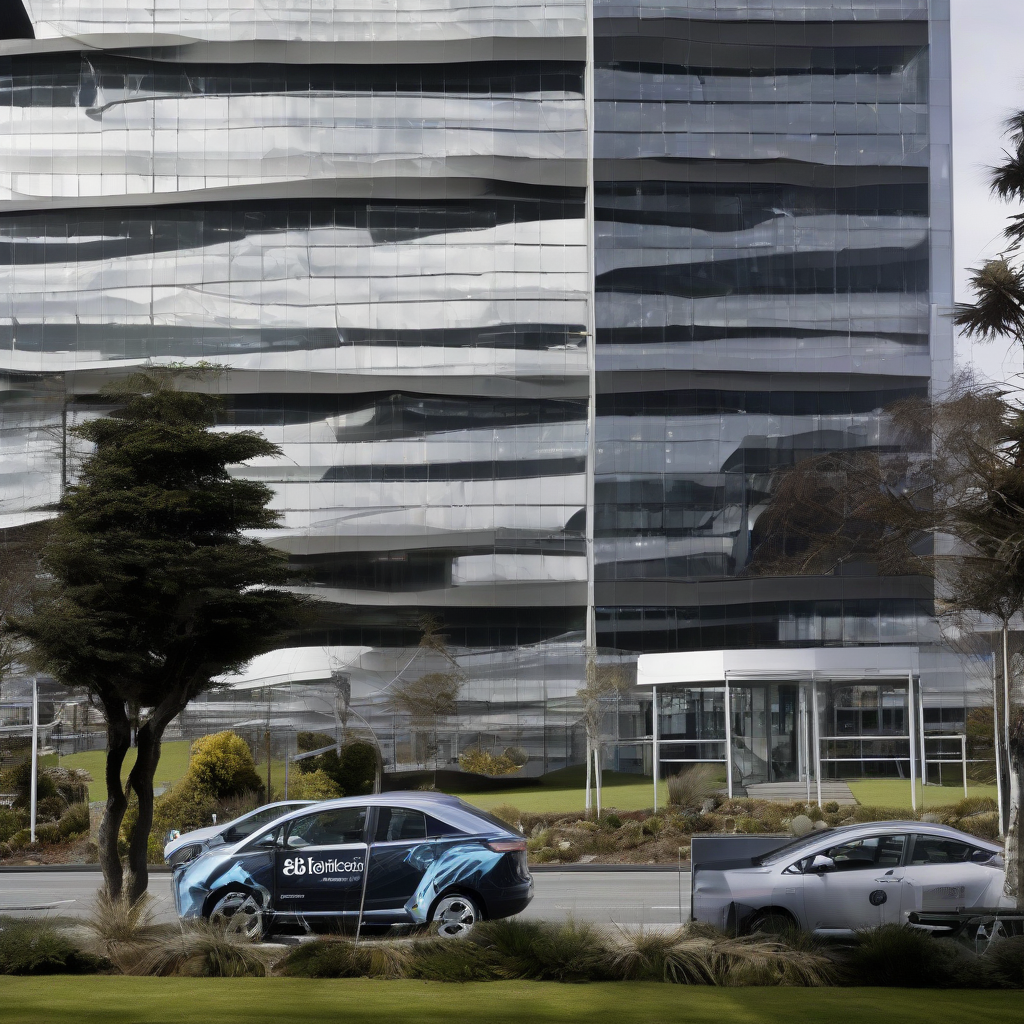
The electric vehicle (EV) market in New Zealand is beginning to show early signs of potential recovery following a period of steep decline, according to CleanTechnica. The nation, once widely recognized as a prospective leader in EV adoption similar to the trends observed in Norway, faced a sharp contraction in sales following a transition in national leadership.
Market Dynamics and Policy Shifts
The previous administration had fostered rapid growth in the sector through the implementation of generous tax incentives. However, the current conservative government moved to dismantle these financial support mechanisms, effectively halting the momentum of the EV transition. Furthermore, the introduction of a new road user charge added to the cost burden for owners of electrified transport, leading to a collapse in sales figures. Recent data indicates that the market is attempting to stabilize after these significant regulatory adjustments.
| Factor | Impact on Market |
|---|---|
| Previous EV Incentives | Accelerated Adoption |
| New Government Tax Policy | Market Contraction |
| Road User Charge Implementation | Reduced Sales Volume |
Broader Regulatory Context
While the specific legislative details remain a focal point for industry analysts, the shift in New Zealand’s climate policy reflects a broader tension between fiscal conservative agendas and environmental targets. Stakeholders are currently monitoring whether private sector innovation can offset the lack of state-sponsored financial incentives as the market adjusts to the current regulatory framework.
Why It Matters
The stabilization of the New Zealand EV sector serves as a vital case study for global markets currently navigating the removal of government subsidies. It highlights that while policy incentives are primary drivers for initial mass adoption, long-term industry sustainability depends on the reduction of total cost of ownership and the maturity of secondary markets. Investors should observe how charging infrastructure density and technological parity with internal combustion engines influence consumer behavior when the artificial support of government rebates is stripped away from the marketplace.
Reader Discussion & Insights