
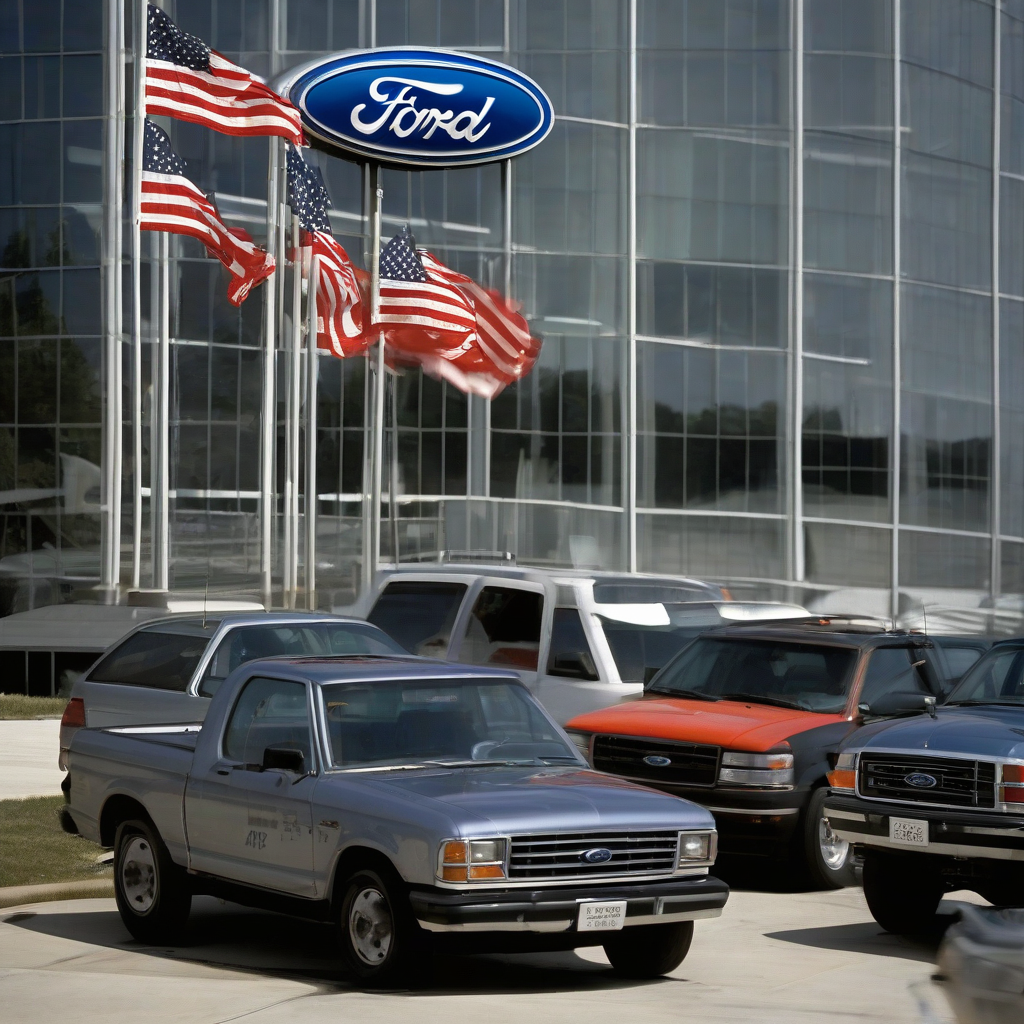
The National Highway Traffic Safety Administration (NHTSA) has issued a formal notification warning that specific older-model Ford vehicles present unreasonable safety risks to occupants. According to Ford Motor, the manufacturer is working alongside federal regulators to address these concerns as they move to mitigate potential hazards associated with these legacy automotive units.
While the specific number of affected vehicles remains a primary focus of the regulatory inquiry, the NHTSA oversight confirms that these models no longer meet current safety thresholds deemed acceptable for public roads. Ford Motor indicates that owners of these specific legacy models should prioritize checking their vehicle identification numbers against the latest recall database to determine if their specific car or SUV is subject to the new safety directives.
Safety Data Overview
| Feature | Details |
|---|---|
| Regulatory Body | NHTSA |
| Primary Concern | Unreasonable Safety Risk |
| Manufacturer | Ford Motor |
| Action Required | Verify Vehicle Status |
This development marks a significant point of concern for owners of older Ford hardware, as the federal government ramps up pressure on legacy vehicle safety compliance. The NHTSA continues to monitor the situation, ensuring that all manufacturers, including Ford Motor, adhere to mandatory reporting and remediation protocols when safety vulnerabilities are identified in older, high-volume production models.
Why It Matters
The automotive industry is currently facing a period of intense regulatory scrutiny regarding the longevity of vehicle components. As cars stay on the road longer than in previous decades, the threshold for what constitutes a safe operating vehicle is shifting. This incident highlights a growing tension between vehicle lifespan and current safety standards. Automakers are increasingly pressured to provide long-term software and hardware support for older fleets, a task that proves financially and logistically difficult. For the broader industry, this signals a potential trend toward stricter, retroactive safety audits that could impact the secondary vehicle market value.
Reader Discussion & Insights