
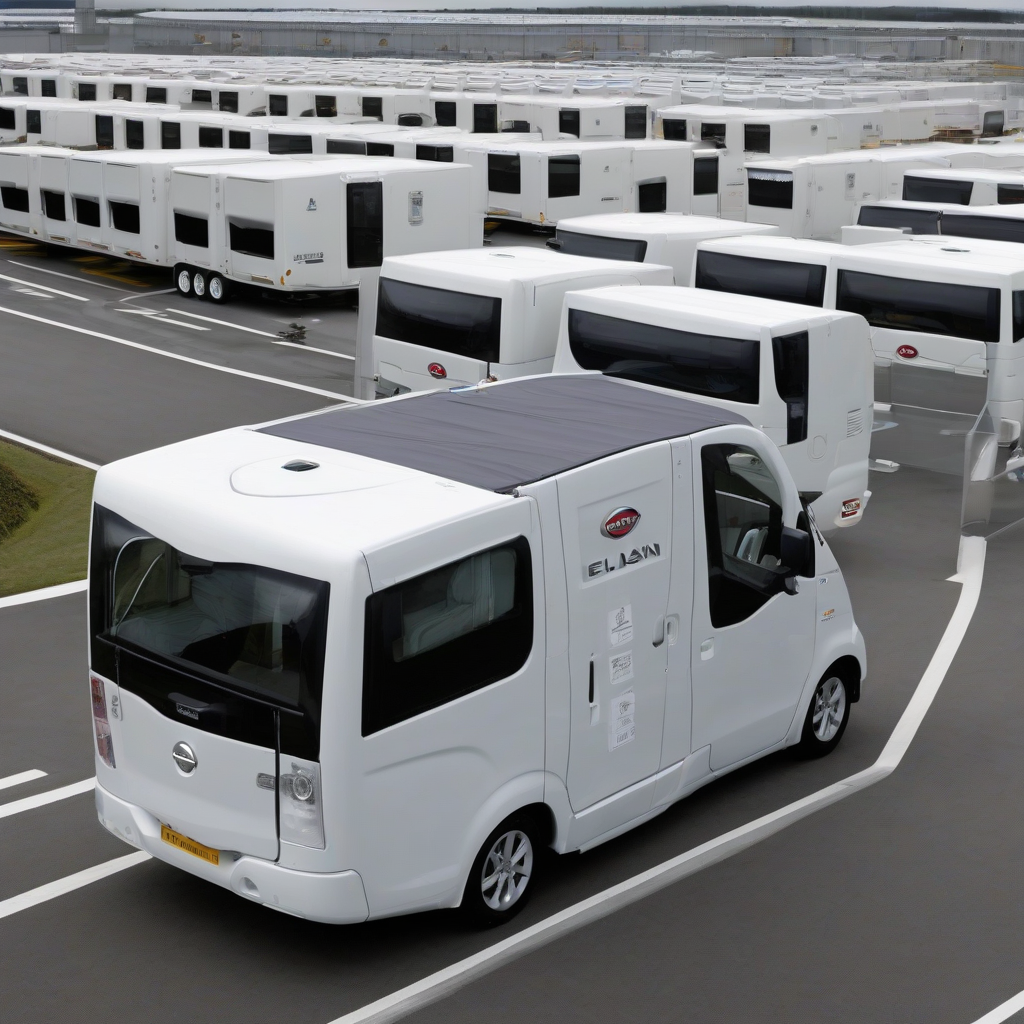
Nissan has officially entered the recreational vehicle sector through a strategic partnership with German outfitter Eifelland to produce the "Relax," a dedicated electric camper van. According to InsideEVs, the vehicle is designed to accommodate four passengers and is engineered to eliminate the necessity for external power hookups, a common constraint in traditional electric camping setups.
The Relax is equipped with an 87 kWh battery pack, which facilitates a total driving range of 408 miles. This capability positions the vehicle as a competitive entry for long-distance travel and off-grid excursions. By integrating the camper's power requirements with the vehicle’s high-capacity battery, the design aims to resolve the logistical challenges often associated with electric vehicle charging in remote wilderness environments.
Specifications
| Feature | Specification |
|---|---|
| Vehicle Partner | Eifelland |
| Battery Capacity | 87 kWh |
| Passenger Capacity | 4 |
| Total Driving Range | 408 miles |
Why It Matters
The introduction of the Relax marks a significant shift in how original equipment manufacturers (OEMs) address the "van life" market segment. By prioritizing energy autonomy via an 87 kWh battery, Nissan is effectively bypassing the limitations of current charging infrastructure for recreational users. This development suggests a broader industry trend where electric vehicle manufacturers are moving beyond passenger transit to capture specialized, high-margin lifestyle markets. If this model proves successful, it could force traditional RV manufacturers to accelerate their own electrification timelines to remain relevant against vertically integrated electric offerings.
Reader Discussion & Insights