
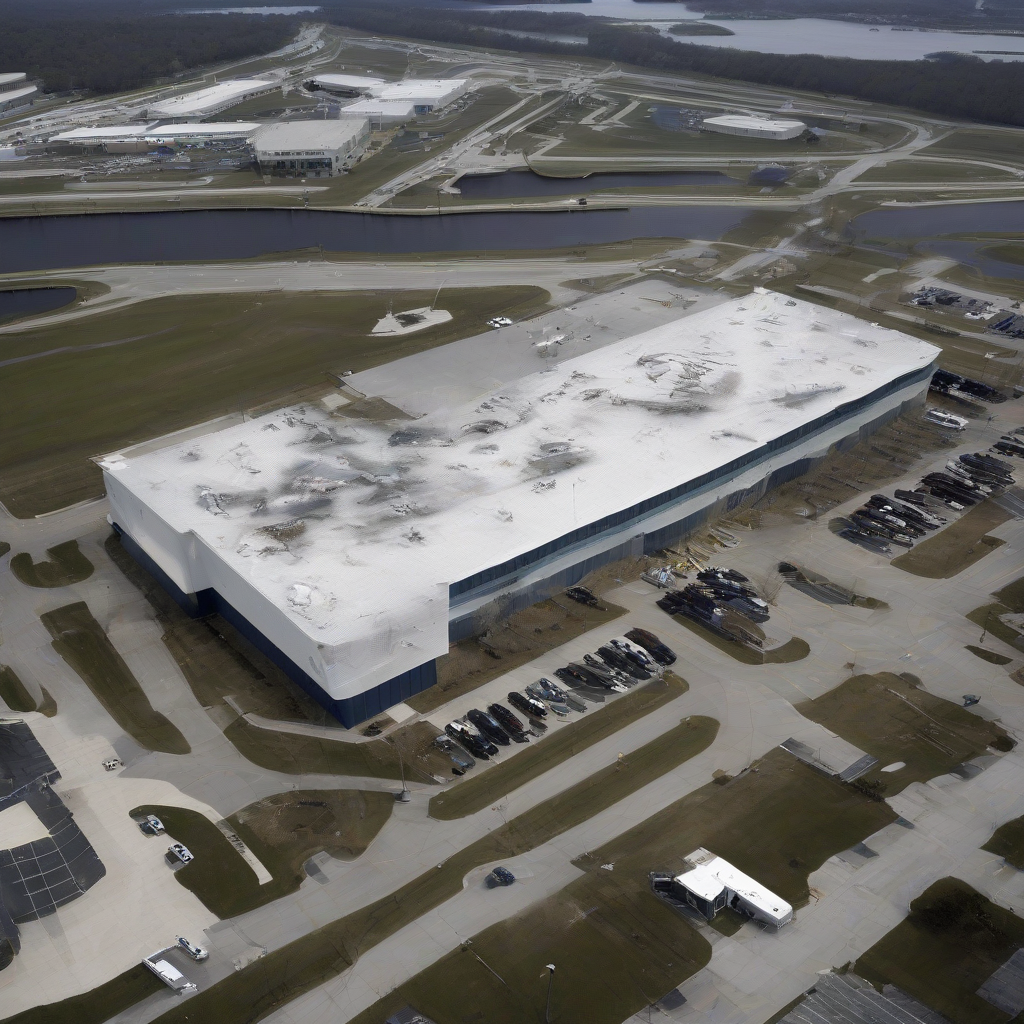
Meteorologists at the National Oceanic and Atmospheric Administration (NOAA) have reaffirmed their outlook for the 2026 Atlantic hurricane season, maintaining a prediction that activity will remain below historical averages. According to NOAA, atmospheric and oceanic indicators suggest that the environmental conditions currently in place are less favorable for the formation of tropical systems than during more active years.
While the agency provided these projections, officials emphasize that hurricane seasons are dynamic. The forecast is based on ongoing monitoring of sea surface temperatures, wind shear patterns, and large-scale climate phenomena that influence the Atlantic Basin. Despite the expectation of a quieter cycle, the agency maintains its standing recommendation that residents and stakeholders in coastal regions remain prepared for any potential storm activity, noting that even below-average seasons can produce damaging landfall events.
Seasonal Outlook Summary
| Indicator | Forecast Status |
|---|---|
| 2026 Season Outlook | Below-Average |
| Data Provider | NOAA |
| Primary Basin | Atlantic |
Why It Matters
For industries such as marine logistics, coastal real estate, and energy exploration, the official NOAA outlook serves as a foundational metric for risk management and insurance underwriting. Even in years projected to be below average, the threat of individual high-impact storms remains a variable that forces supply chain managers to maintain contingency plans. For the energy sector, specifically offshore drilling operations in the Gulf of Mexico, these reports dictate the allocation of emergency resources and temporary platform evacuations. Sustained accuracy in these long-term outlooks helps stabilize market premiums and assists municipalities in balancing emergency response budgets against actual operational needs.
Reader Discussion & Insights