
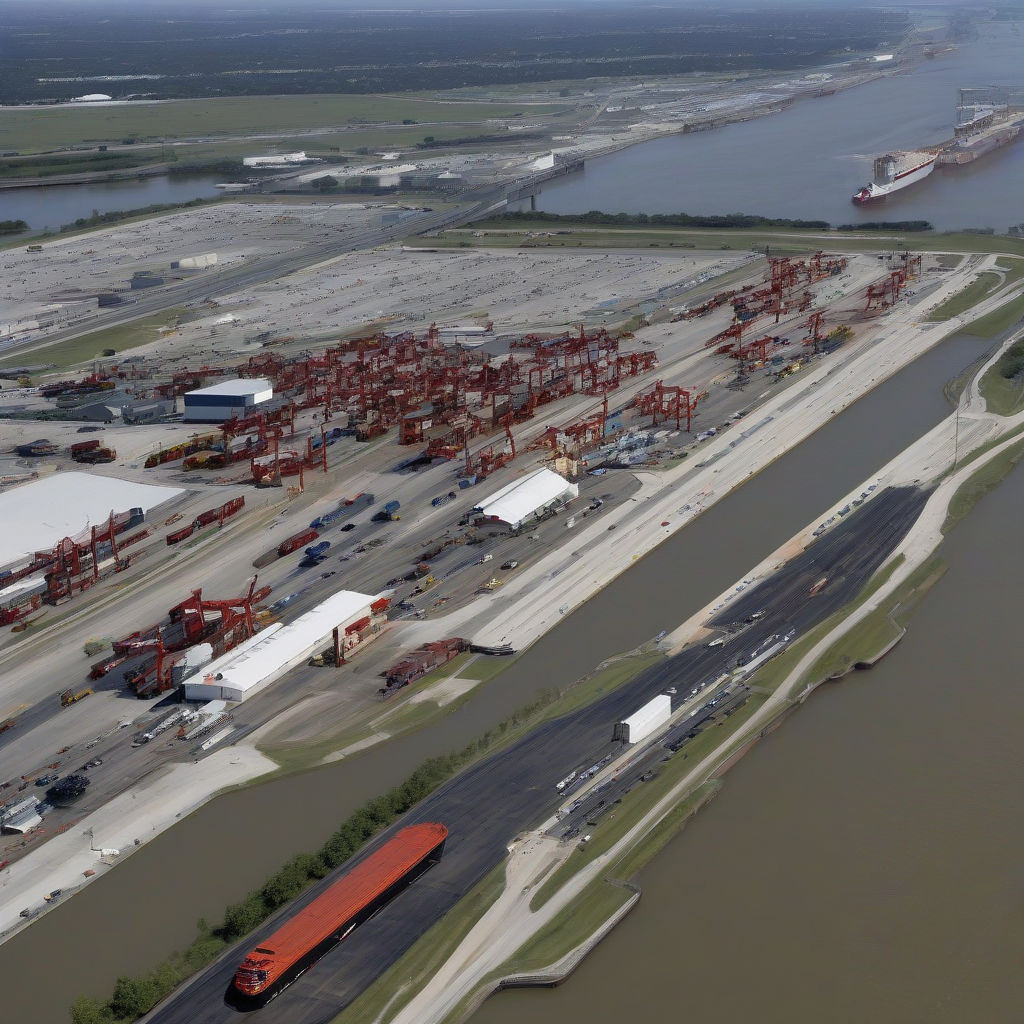

According to gCaptain, the National Transportation Safety Board (NTSB) has determined that a personal cell phone conversation involving a Houston ship pilot was a primary factor in the fatal 2024 collision between the bulk carrier Yangze 7 and a towing vessel. The investigation highlights critical lapses in bridge resource management and situational awareness within the Houston Ship Channel.
The collision occurred when the pilot, distracted by an extended personal call, failed to monitor the ship’s position and maintain an adequate lookout. This lack of attention prevented the pilot from identifying the risks posed by the proximity of the towing vessel. The NTSB report indicates that these multiple failures directly contributed to the impact, which resulted in fatalities. The investigation serves as a stark reminder of the dangers associated with mobile device use in high-stakes maritime environments where split-second decisions are required to navigate busy waterways.
Incident Summary
| Vessel Name | Role in Incident | Key Factor |
|---|---|---|
| Yangze 7 | Bulk Carrier | Pilot distraction |
| Unnamed Towing Vessel | Collision partner | Reduced visibility / Lookout failure |
The NTSB continues to scrutinize standard operating procedures for pilots, emphasizing that personal electronic devices pose a significant risk to navigational safety. By disregarding established safety protocols that mandate a focused, dedicated watch, the pilot compromised the safety of the entire crew and the integrity of the waterway navigation.
Why It Matters
This incident underscores a pervasive issue in the maritime logistics industry: the regulation of personal device use on the bridge. As vessels become increasingly complex to maneuver in congested channels like Houston, the margin for human error shrinks. While automated systems and bridge resource management training exist, they cannot compensate for a voluntary abandonment of professional duties. This finding will likely pressure maritime authorities to mandate stricter 'no-phone' policies or integrate technical blocking solutions on commercial bridge equipment to prevent future tragedies in critical global transit hubs.
Reader Discussion & Insights