
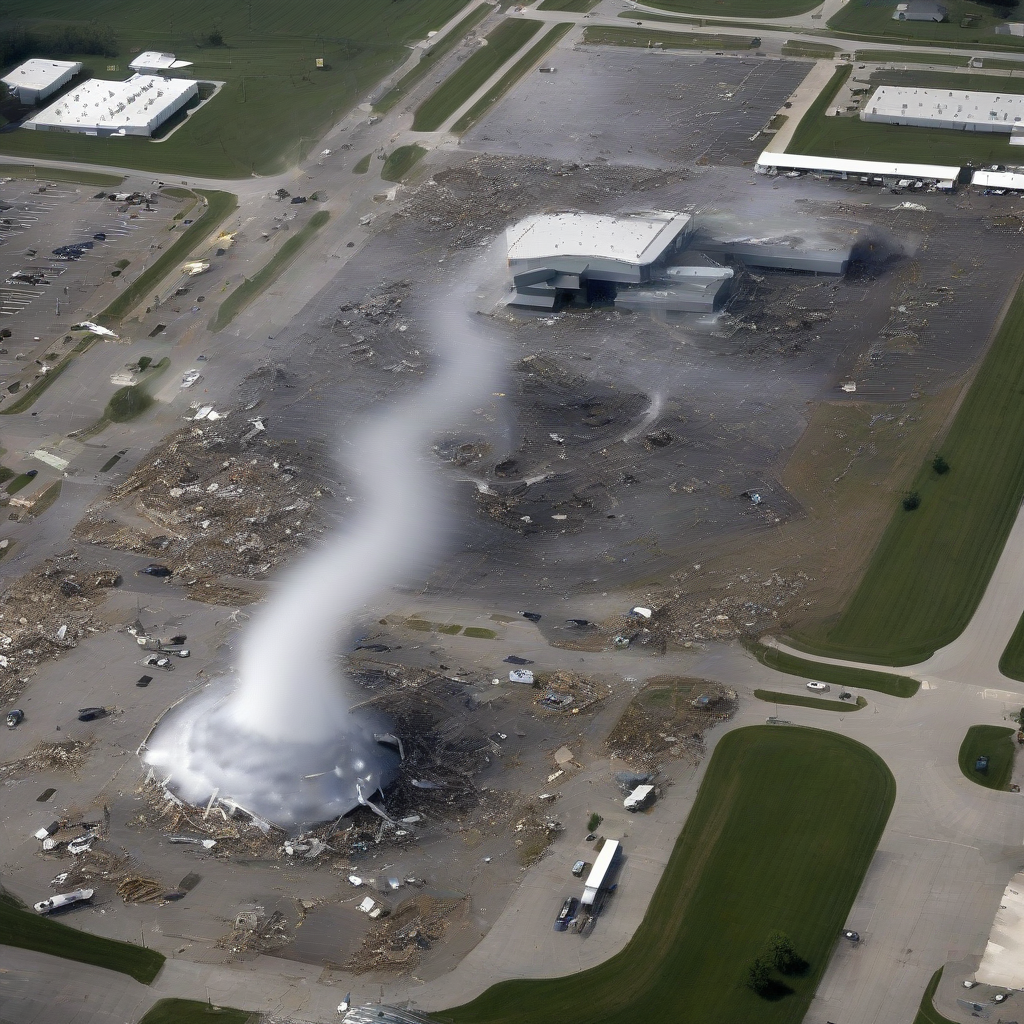
Official reports from meteorologists indicate that fraudulent images purporting to show tornado activity were disseminated across social media channels during the weekend’s severe weather events. According to NWS Alerts, these manipulated or misattributed photographs created confusion regarding the actual scope and severity of the storm activity.
The National Weather Service (NWS) has actively monitored these reports to ensure the public receives accurate, verified meteorological data. The emergence of these images complicates emergency management efforts, as local officials rely on real-time data to deploy resources and issue safety warnings. Verification of weather phenomena is based on a strict protocol of radar analysis, storm spotter reports, and subsequent ground surveys.
Incident Overview
| Observation Type | Status | Source Verification |
|---|---|---|
| Tornado Damage Reports | Ongoing | NWS Field Surveys |
| Social Media Visuals | Misleading | NWS Advisory Flagged |
| Public Safety Data | Accurate | Official NWS Channels |
Why It Matters
The proliferation of synthetic or mislabeled imagery during natural disasters poses a significant risk to public safety and infrastructure management. When misinformation regarding weather conditions spreads, it can lead to unnecessary panic or, conversely, public complacency during genuine life-threatening events. For industries such as aviation and logistics, accurate weather data is essential for maintaining operational safety and scheduling. The rise of digital misinformation forces regulatory agencies to dedicate extra resources to rumor control, potentially delaying the dissemination of high-priority atmospheric alerts. Establishing a clear distinction between verified agency reports and third-party content is essential to maintaining the integrity of storm response communications.
Reader Discussion & Insights