
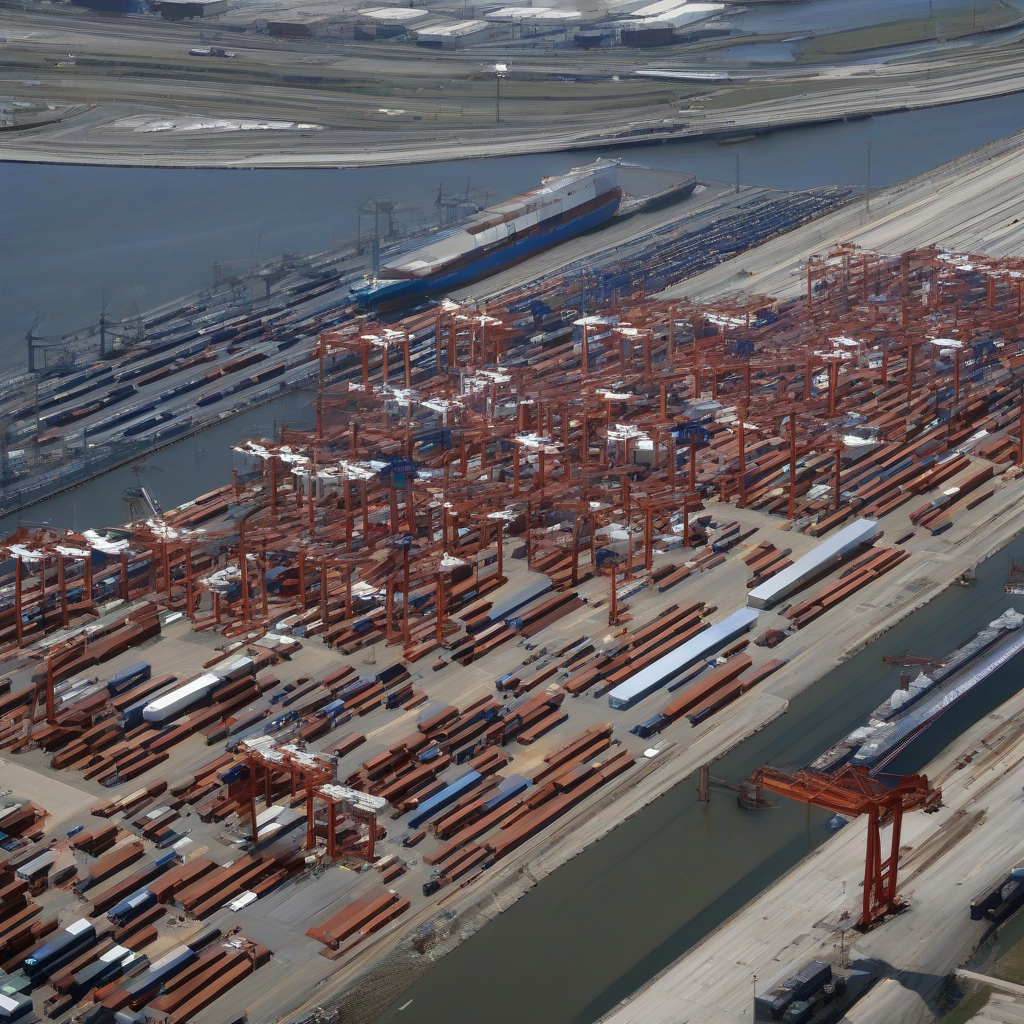
Ocean spot freight rates have experienced a sharp increase of more than 300% over the last five months, creating significant logistical bottlenecks for global supply chains. According to FreightWaves, this rapid inflation in shipping costs is straining manufacturing sectors, with cargo delays persisting for several months.
GEODIS President and CEO Laura Ritchie reported that the current operational environment is characterized by an uneven economic recovery. The surge in costs is driven by a combination of blank sailings, systemic port congestion, and geopolitical volatility in the Red Sea and the Strait of Hormuz. These disruptions have caused inventory to remain stuck in transit, with some products booked as early as March still awaiting arrival in July.
While the current market constraints do not mirror the extreme conditions seen during the COVID-19 pandemic, the baseline cost for container shipping remains substantially higher than levels observed earlier this year. Shippers are increasingly turning to air freight to bypass ocean delays, though this alternative necessitates higher capital expenditure and must be carefully balanced against budgetary limits.
Current Market Operational Data
| Indicator | Metric/Status |
|---|---|
| Ocean Spot Rate Increase | > 300% over 5 months |
| GEODIS U.S. Footprint | 230 sites |
| GEODIS Workforce | 20,000 employees |
| Observed Sales Growth | 30% to 40% (select customers) |
| Primary Delay Period | March to July |
GEODIS is utilizing predictive logistics and AI-driven forecasting to help manage this climate of uncertainty for its clients. The company reports bifurcated performance among its customer base; while housing-related sectors remain stagnant, apparel is showing growth in unit volumes despite inflationary pressures. Furthermore, technology companies are grappling with a dual challenge of semiconductor import constraints and chip shortages, adding to the pressure on global logistics networks.
Why It Matters
The rapid inflation of ocean freight rates signals a transition from pandemic-era volatility to a new era of geopolitical risk management. Companies can no longer rely on "just-in-time" logistics models given the persistent threats to maritime chokepoints like the Red Sea. As freight costs become a permanent fixture of cost-of-goods-sold calculations, expect a shift toward near-shoring and regionalized supply chains to reduce transit vulnerability. Firms that fail to adopt data-driven predictive models will likely struggle to maintain inventory stability in an environment where transit times are no longer predictable.
Reader Discussion & Insights