
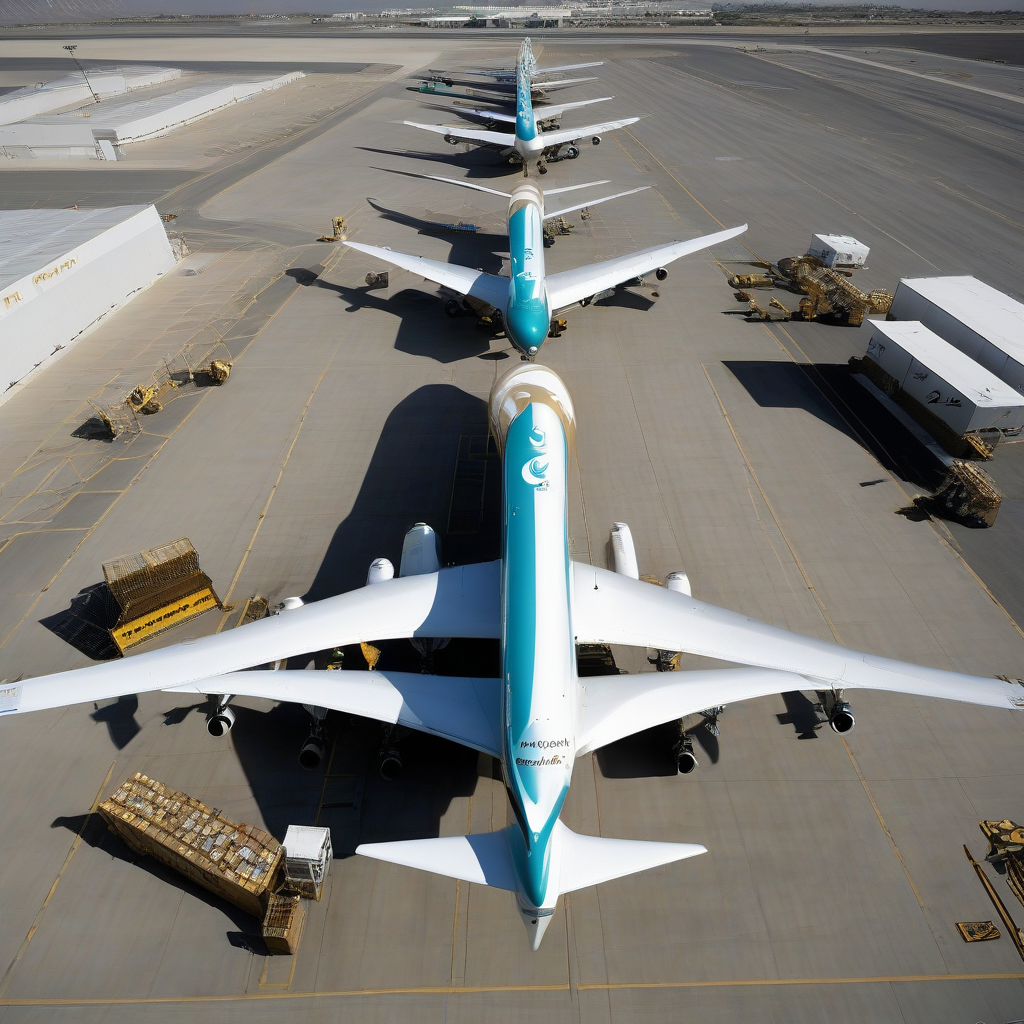
Oman Air Cargo has officially inaugurated five new freight routes, according to Travel And Tour World. This expansion targets critical trade corridors by establishing deeper logistical ties between Muscat, Salalah, and key markets across Asia, the Middle East, and Russia. By utilizing the geographic advantages of its hubs in Oman, the carrier aims to streamline cargo throughput across these regions.
Operational Route Expansion
The airline is focusing on high-demand sectors, integrating new flight paths to support the growing need for efficient freight transport. While specific frequency details were not provided, the initiative is designed to bolster the national carrier’s position in the global air logistics market. The move serves as a direct expansion of its existing infrastructure at Muscat (MCT) and Salalah (SLL) airports.
| Origin Airport | Destination Markets | Primary Regions |
|---|---|---|
| Muscat (MCT) | Select Global Hubs | Asia, Middle East, Russia |
| Salalah (SLL) | Select Global Hubs | Asia, Middle East, Russia |
Strategic Alignment
The strategic development comes as regional airlines compete to capture a larger share of the post-pandemic air cargo market. By connecting these specific international markets, Oman Air Cargo is positioning itself as a vital link for goods transitioning between eastern manufacturing hubs and western consumer markets in the Middle East and beyond. This expansion reflects broader efforts by Oman to diversify its logistics capabilities and improve its standing in international trade indices.
Why It Matters
The introduction of these five routes highlights a significant shift in Middle Eastern aviation strategy, where cargo is increasingly viewed as a primary revenue driver rather than a secondary function of passenger travel. As global supply chains continue to experience volatility, carriers that provide reliable, direct connectivity between secondary hubs like Salalah and major Asian commercial centers gain a competitive edge. This shift also signals a long-term commitment to infrastructure investment, suggesting that Oman intends to position itself as a central transit point for transcontinental freight traffic, effectively challenging larger regional carriers for dominance in specialized niche routes.
Reader Discussion & Insights