
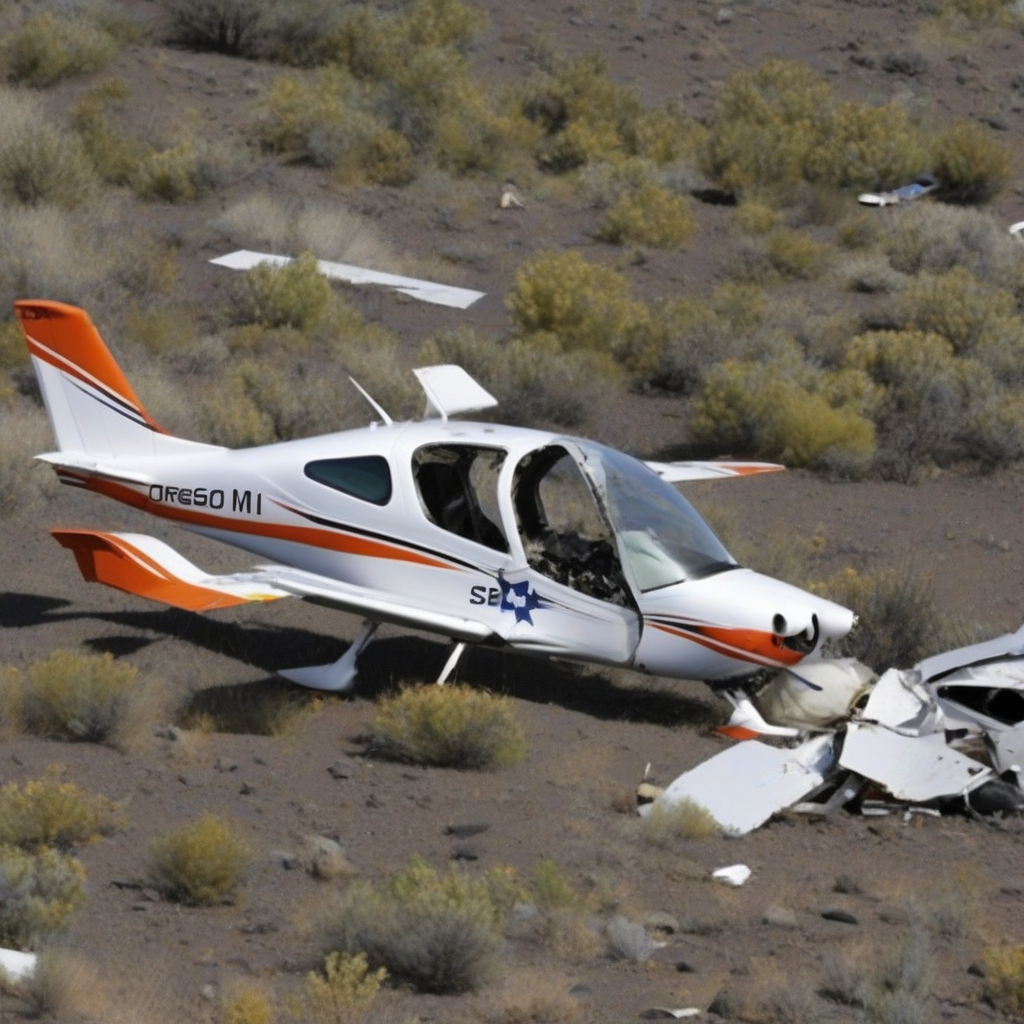

According to AeroTime, local authorities have confirmed that 48-year-old Steven Nicholas Charlton intentionally crashed a Cirrus SR22T into a remote wooded area near Bend, Oregon. The incident occurred on August 4, 2026, following a five-hour flight that began at Bend Municipal Airport at approximately 13:30 local time.
Deschutes County court records indicate that Charlton had been indicted earlier that same day on five felony counts related to the first-degree invasion of personal privacy. The allegations involved claims that the pilot recorded two individuals while they were nude, violating their reasonable expectation of privacy. Law enforcement officials maintained contact with Charlton during his flight; however, he reportedly refused to communicate with anyone other than his own family members.
Incident Data Summary
| Attribute | Detail |
|---|---|
| Aircraft Model | 2025 Cirrus SR22T |
| Registration | N625LK |
| Takeoff Time | 13:30 (August 4, 2026) |
| Crash Time | 18:46 |
| Total Flight Duration | > 5 hours |
| Owner | So Fly Aviation LLC |
The aircraft was registered to So Fly Aviation LLC, based in Eugene, Oregon, with an airworthiness certificate issued in March 2025. Following the crash at 18:46, investigators noted that the plane hit the ground at high speed. The sheriff’s office stated that the aircraft did not catch fire, likely due to fuel exhaustion. No individuals on the ground were harmed, and Charlton was the sole occupant of the aircraft.
The response effort included the Deschutes County Sheriff’s Office, the Federal Aviation Administration (FAA), the FBI, and various regional emergency response units. The National Transportation Safety Board (NTSB) has formally launched an investigation into the crash's aviation-related factors and is soliciting information from anyone who may have interacted with the pilot at the airport prior to his departure.
Why It Matters
This incident highlights the intersection of judicial proceedings and private aviation security. While the Cirrus SR22T is equipped with advanced safety features, such as the Cirrus Airframe Parachute System (CAPS), these systems cannot prevent intentional misuse by an operator. The event underscores a persistent challenge for general aviation: the lack of physical security screenings at small, unmanned regional airports. As authorities investigate, the aviation community must evaluate how small-scale flight operations can better mitigate the risks posed by individuals in crisis, particularly when legal instability coincides with access to complex private aircraft.
Reader Discussion & Insights