
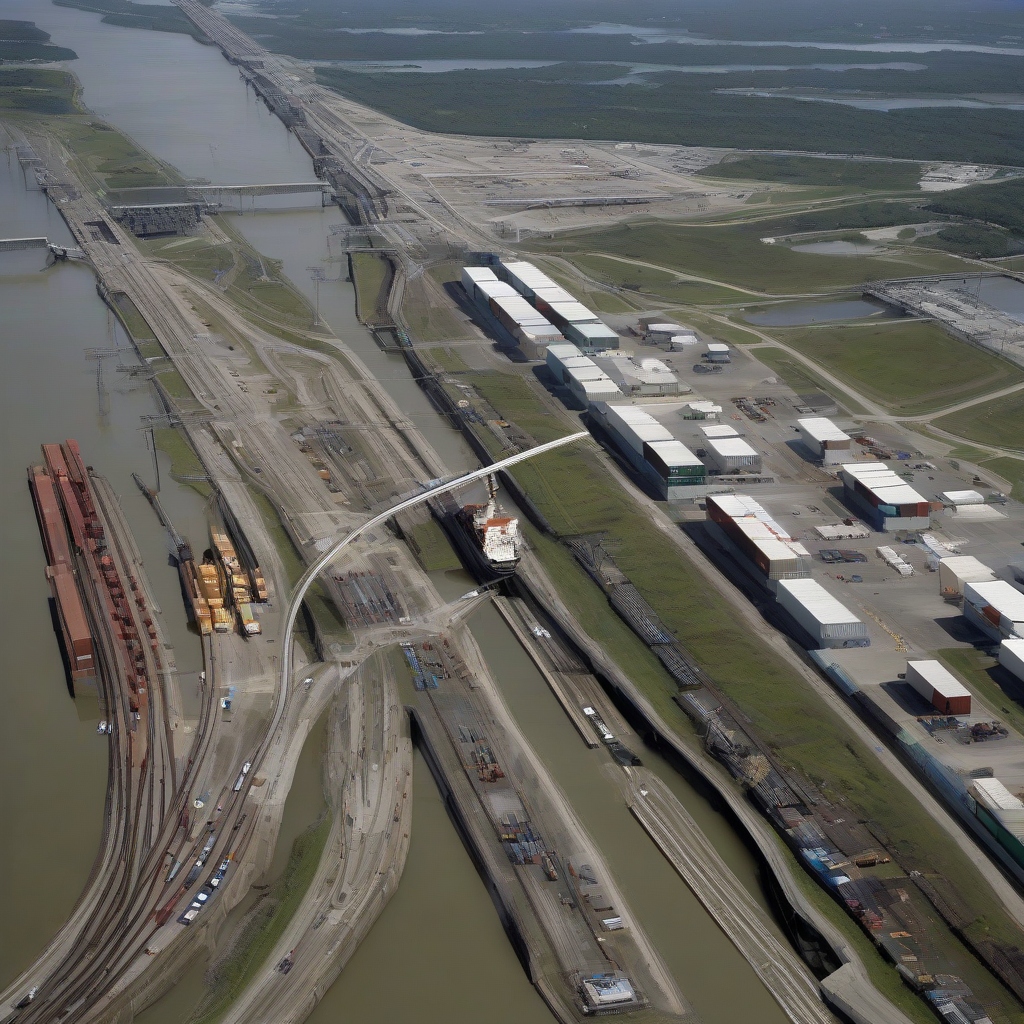

According to Journal of Commerce, the Panama Canal Authority has implemented late-summer draft restrictions that will directly impede the ability of the largest container vessels to operate at full capacity. As these ships transit to US East and Gulf coast terminals, the limitations prevent them from carrying maximum cargo loads, effectively reducing the total volume of goods reaching these critical logistics hubs during the high-demand peak shipping season.
These adjustments, necessitated by water management constraints within the canal system, strike at a time when retailers typically increase inventory in anticipation of end-of-year holiday consumption. Vessels that exceed the mandated draft levels must either offload weight or bypass the route, creating a ripple effect across maritime supply chains.
| Metric | Impact Status |
|---|---|
| Seasonal Timing | Peak shipping season |
| Primary Affected Regions | US East Coast, US Gulf Coast |
| Operational Restriction | Draft limits on large vessels |
| Capacity Outcome | Inability to fully load cargo |
Shipping lines and logistics providers remain in coordination with the Panama Canal Authority regarding transit slots and draft availability. The restrictions signify a direct operational hurdle for ocean carriers attempting to maintain consistent service schedules for US importers.
Why It Matters
The limitation of draft depths serves as a bellwether for the vulnerability of global maritime chokepoints. When a primary artery like the Panama Canal faces capacity constraints, the cost of ocean freight frequently shifts due to the forced reduction in effective supply. Logistics managers must now decide between longer transit times via alternative routes or increased costs associated with lighter loads. This creates an inflationary pressure on goods destined for the US Atlantic and Gulf seaboards, as per-container shipping costs rise when the vessel’s total revenue-generating capacity is legally capped by water levels.
Reader Discussion & Insights