
LIVEยท

Global News & Market Intelligence ยท Verified Official Dispatches

Editions:
LIVEMARKETS:
S&P 500 5,640.20 (+0.45% โ–ฒ)|NASDAQ 17,855.10 (+0.62% โ–ฒ)|BRENT CRUDE $82.40 (-0.85% โ–ผ)|BITCOIN $64,250.00 (+1.90% โ–ฒ)
Breaking
European Commissionยท ๐ŸŒ Global

Perseid Meteor Shower Peaks August 12-13 With 100 Meteors Per Hour

The annual Perseid meteor shower, currently active, is set to peak on the night of August 12 into August 13, offering visibility of up to 100 meteors per hour.

By Global Markets & Intelligence DeskยทPublished ยทโฑ๏ธ 2 min read (359 words)
โšก AI-Synthesized Briefing ยท Verified Editorial

Key Story Metrics & Context

Industry Sector:Space
Companies Impacted:NASA
Geographic Scale:Global ๐ŸŒ
Reporting Status:โœ“ Multi-Source Verified
Perseid Meteor Shower Peaks August 12-13 With 100 Meteors Per Hour

Executive Brief & Verified Analysis

โœ“ OFFICIAL SOURCES REVIEWED

Executive Summary

The annual Perseid meteor shower, currently active, is set to peak on the night of August 12 into August 13, offering visibility of up to 100 meteors per hour.

Why This Matters

Key strategic implication: The Perseid meteor shower is active from mid-July until late August.

Market Impact

Verified for NASA. Primary market adjustment vector.

Source Verification

Cross-referenced across regulatory dispatches, official press releases, and verified wire filings.

Operational context for Perseid Meteor Shower Peaks August 12-13 With 100 Meteors Per Hour
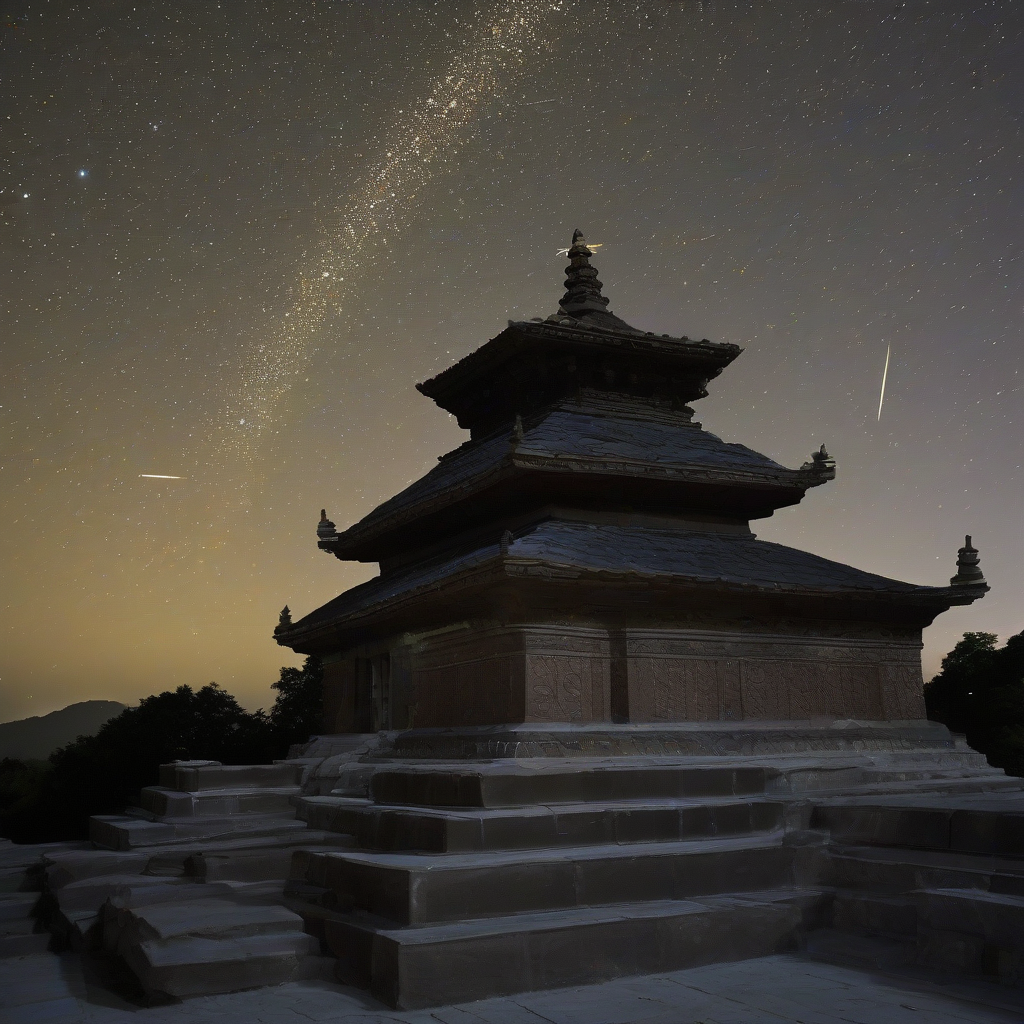
๐Ÿ“ธ Figure 1.2 ยท Operational Context
Figure 1.2: Secondary sector visual for European Commission briefing on Perseid Meteor Shower Peaks August 12-13 With 100 Meteors Per Hour.Skyline Intelligence

Strategic Implications

  • โœ“The Perseid meteor shower is active from mid-July until late August.
  • โœ“Peak activity is expected on the night of August 12 into August 13.
  • โœ“Observers can see up to 100 meteors per hour at the shower's peak.
  • โœ“The New Moon on August 12 provides dark skies ideal for viewing.

The annual Perseid meteor shower has commenced, with peak activity anticipated on the night of August 12 into August 13. According to TIME, this celestial event is one of the most prolific of the year, frequently resulting in high-frequency sightings of "shooting stars" as the Earth passes through the debris left by the comet Swift-Tuttle.

Astronomers indicate that observers may witness up to 100 meteors per hour during the eventโ€™s zenith. NASA describes these phenomena as swift and bright, noting that the debris often leaves long trails of light and color as it enters the atmosphere. This activity is expected to be particularly visible this year due to the occurrence of a New Moon on the night of August 12, which provides optimal dark-sky conditions for stargazing.

FeatureDetails
Meteor Shower NamePerseid
Source of DebrisComet Swift-Tuttle
Peak Activity WindowAug. 12 into Aug. 13
Peak Meteor FrequencyUp to 100 meteors per hour
Optimal Viewing DirectionNortheast (near constellation Perseus)
DurationMid-July to late August

For those intending to observe the shower, NASA recommends finding a location away from artificial city light pollution. Equipment such as binoculars or telescopes is unnecessary, as the shower is best observed with the naked eye. Observers should allow approximately 30 minutes for visual adaptation to the darkness. While the meteors appear to radiate from the constellation Perseus, experts recommend scanning the entire expanse of the sky to increase the likelihood of spotting streaks.

Why It Matters

The Perseid meteor shower represents more than just a public interest event; it serves as a massive, naturally occurring laboratory for atmospheric physics and debris tracking. While the threat posed by the Swift-Tuttle debris field is low, constant monitoring of such meteor streams informs orbital mechanics models used by space agencies to protect active satellite constellations. Furthermore, the public interest generated by these events fosters support for space infrastructure funding, demonstrating the intersection between amateur astronomy and the professional aerospace sector's long-term sustainability goals.

Deployment Roadmap & Timeline

Mid-July 2025

Start of the Perseid meteor shower window

August 12, 2025

New Moon and beginning of the peak activity window

August 13, 2025

Conclusion of the peak activity window

Late August 2025

End of the annual Perseid meteor shower

Expected Next Steps

  • 1Monitor real-time atmospheric conditions for local cloud cover
  • 2Identify dark-sky locations away from light pollution
  • 3Verify potential meteor activity reports via NASA data portals

Frequently Asked Questions

The peak is set to occur the night of August 12 into August 13.

Under the right conditions, you may be able to see up to 100 meteors per hour.

No, NASA states that no binoculars or telescopes are needed; you only need your eyes.

Source Transparency & Verified Dispatches

โœ“ Verified Primary Data
โœ“
NASA๐Ÿ’ผ Corporate Dispatch
Source โ†—

Reader Discussion & Insights

Leave a Comment

Loading discussion thread...

Get Breaking Global Intel in Your Inbox

Subscribe to the Skyline Wire AI Daily Briefing. Direct insights across Aviation, Tech, EVs, and Markets.

Original announcement link: TIME

astronomyperseidsnasastargazingspace
perseid meteor showerwhen is the perseid meteor showerhow to watch meteor showerswift-tuttle cometastronomy newsmeteor shower peakstargazing guide